










The Gold Standard of Cinema
For years, director Christopher Nolan has been cinema's most passionate advocate for shooting on film, and specifically, the colossal IMAX 15/70mm format. While most of the industry has shifted to digital, Nolan argues that film captures the world in a way
that digital cannot, creating an experience he calls "virtual reality without the goggles." With 'The Odyssey,' he has taken this philosophy to its ultimate conclusion: it is the first feature film shot entirely using IMAX film cameras. This commitment creates an image of unparalleled sharpness and clarity, letting the massive screen simply disappear. To movie buffs, this isn't just a technical detail; it's a promise of seeing a film in its purest, most immersive form.
Not All IMAX Is Created Equal
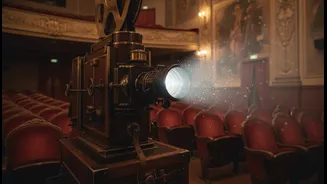
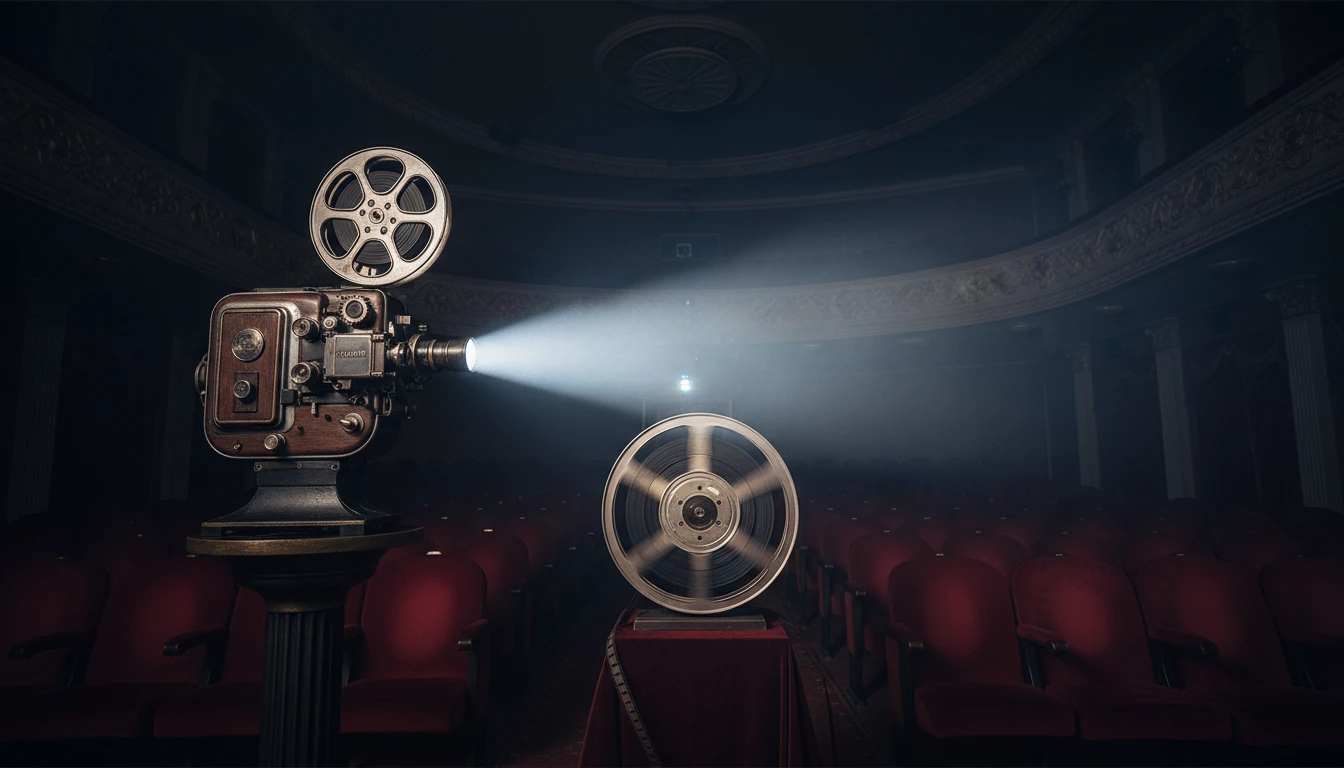
Here's the secret that fuels the obsession: the word "IMAX" in your local multiplex doesn't always mean what you think it does. The majority of the 1,800+ IMAX-branded screens worldwide use digital projection systems. While still a premium experience, it's a different beast entirely from what Nolan uses. The holy grail is IMAX 15/70mm film projection. The "15/70" refers to the film stock itself; each frame is 70mm tall and runs horizontally through the projector, spanning 15 perforations (the small holes on the side of the film strip). This creates a negative that is nearly nine times larger than a standard 35mm film frame. The result is a staggering amount of visual information, leading to an image resolution estimated to be the equivalent of 16K or 18K.
The Aspect Ratio Is Everything
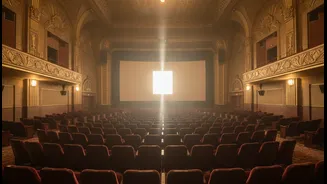
One of the key reasons cinephiles seek out these specific theatres is the aspect ratio. Nolan composes his shots for the unique 1.43:1 aspect ratio of a true IMAX screen, which is much taller and more squarish than a typical widescreen format. In one of the 41 certified 15/70mm film theatres, the image expands to fill the entire colossal screen from floor to ceiling, creating a breathtaking sense of immersion that you can't get anywhere else. When you watch the film in a standard or digital IMAX theatre, you're often seeing a cropped version of the image, missing a significant portion of what the director intended you to see. For fans who want the complete picture, seeing it in a theatre that can project the full 1.43:1 ratio is non-negotiable.
An Elite Club of Theatres
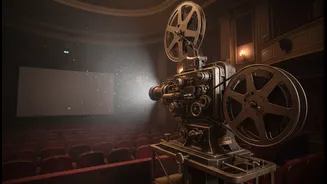
So, why only 41 theatres? The answer lies in scarcity and specialized technology. IMAX hasn't manufactured new 15/70mm film projectors in decades. The existing machines are complex, expensive to maintain, and require highly trained projectionists to operate them. A single film print of 'The Odyssey' weighs around 270 kilograms and is over 17 kilometres long. The logistics are immense. Many of the venues capable of this are not in typical multiplexes, but in museums and science centres that have preserved their original giant-screen setups. This rarity turns a movie ticket into a golden ticket, creating intense demand that has seen screenings sell out in minutes and fans planning trips across countries just to experience the film as intended.
The Pilgrimage for Perfect Projection
The incredible demand for 'Oppenheimer' in 2023 proved that audiences are willing to go to great lengths for this experience. That blockbuster's limited IMAX 70mm run created a blueprint for the obsession surrounding 'The Odyssey.' Online communities on Reddit and social media share intel on which theatres have the best sound systems and most well-maintained projectors. For these fans, it's more than just watching a movie; it's a pilgrimage. It represents a tangible connection to the art of filmmaking and a rejection of the compromises of modern digital exhibition. It's an event, a spectacle, and a chance to participate in cinematic history, seeing a monumental film in the most monumental way possible.