






The Maverick Payday
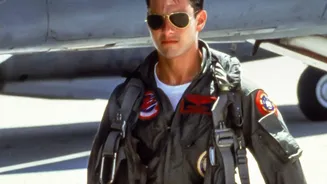
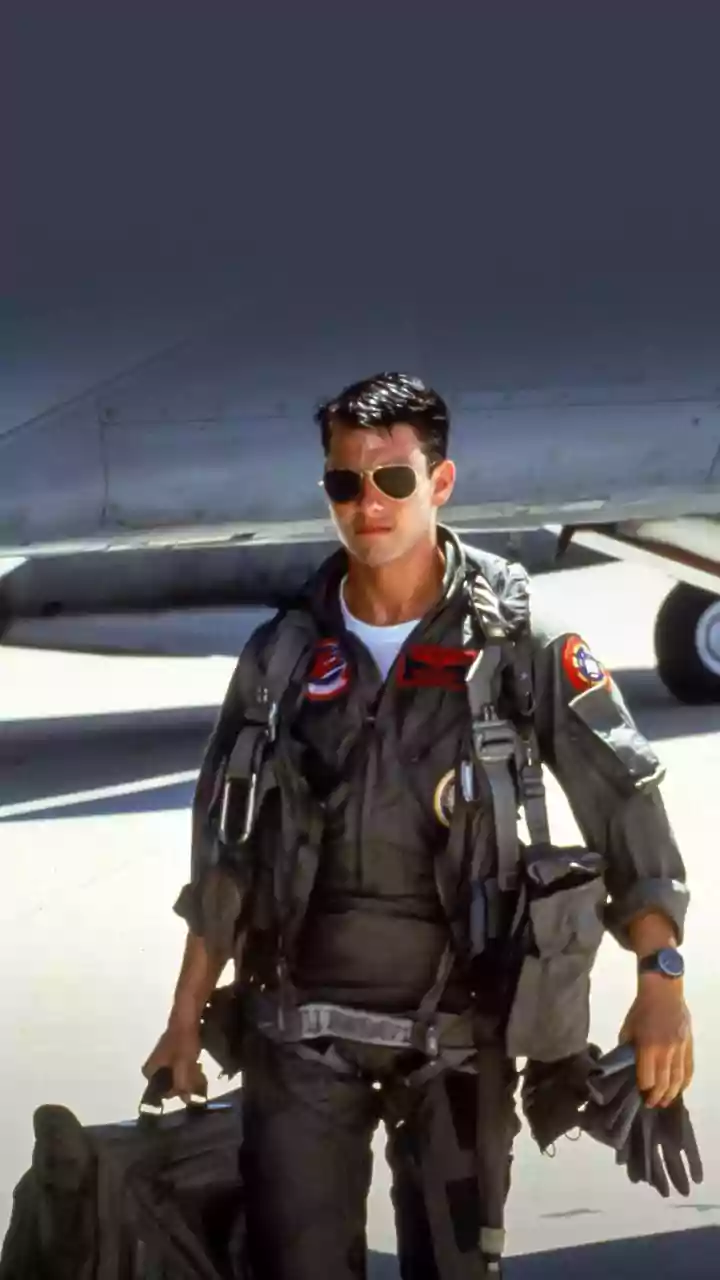
To understand Tom Cruise’s financial genius, look no further than Top Gun: Maverick. While he received a relatively modest upfront salary of around $13 million, his real earnings came from a much more powerful clause in his contract. The film went on to
gross nearly $1.5 billion worldwide, becoming the highest-earning movie of his career. Thanks to his deal, Cruise’s total take from the film is estimated to be over $100 million, and some reports suggest it could be as high as $200 million when all revenue streams are counted. This single payday is larger than the entire production budgets of many blockbuster films and perfectly illustrates the power of his unique strategy.
Mastering First-Dollar Gross
The secret to that nine-figure payday is a rare and powerful arrangement known as a “first-dollar gross” deal. In simple terms, this means Cruise gets a percentage of the movie’s box office revenue from the very first ticket sold, before the studio even recoups its own costs for production and marketing. Most actors, even major stars, get a piece of the “net profits,” which is the money left over after the studio has deducted all its expenses. Studios are famously creative with their accounting, often making it seem like even successful films didn't turn a profit. By taking his cut from the gross, Cruise ensures he gets paid no matter what the expense sheet says. It's a deal so lucrative that almost no other star in Hollywood can secure it.
The Producer Power Play
Cruise’s leverage to demand such deals comes from being more than just an actor; he’s a producer. In 1993, he co-founded Cruise/Wagner Productions, a move that fundamentally changed his earning potential. By producing the Mission: Impossible films, he isn’t just an employee—he’s a stakeholder with creative and financial control. This dual role allows him to build his backend profit participation directly into the film's economic structure. For the first Mission: Impossible in 1996, this model earned him a reported $70 million. For Mission: Impossible II and War of the Worlds, his earnings for each film hit an estimated $100 million. His production company has been the engine driving his wealth for decades.
Betting on Himself
At its core, the Cruise model is a high-risk, high-reward bet on himself. He consistently defers a massive upfront salary in favor of a larger share of the potential profits. For Top Gun: Maverick, he traded a guaranteed blockbuster paycheck for a slice of the unknown, confident that his star power and commitment to quality would deliver a global hit. This strategy demonstrates immense faith in his ability to draw audiences to theatres. It also aligns his interests with the studio's: if the movie succeeds, everyone wins big. His career earnings, now estimated to have surpassed $1 billion in total, prove that his bets have paid off time and time again.
A Dying Breed of Movie Star
In today’s franchise-driven, streaming-first landscape, Tom Cruise is an anomaly. The kind of power he wields—to command first-dollar gross, to dictate theatrical release windows, and to function as the primary brand of a multi-billion dollar film—is a relic of a bygone era. Most modern movie stars are part of large ensembles or are replaceable within a larger intellectual property, like a comic book universe. Cruise, however, remains the main attraction. His films have grossed over $11.5 billion worldwide because audiences show up specifically for him and the brand of high-quality, practical-stunt-driven entertainment he guarantees. That unique bankability gives him negotiating power that is nearly unmatched in the industry.