


Khichdi: The Ultimate Comfort Food
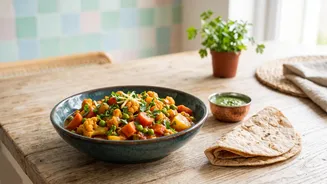
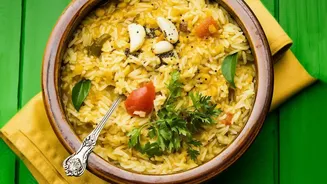
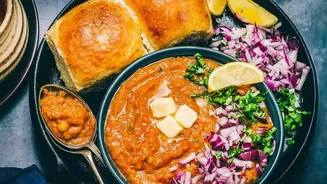
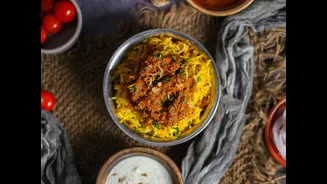
Khichdi is perhaps the most frequently mentioned dish in discussions about PM Modi's diet. This simple, one-pot meal of rice and lentils is a cornerstone of Indian home cooking, celebrated for being both nourishing and incredibly easy to digest. Often
described as a complete meal, it provides a balanced mix of carbohydrates and protein. Reports suggest that PM Modi has a particular fondness for this dish, which he has enjoyed since his early days and often prefers for a light dinner. Its simplicity and wholesome nature perfectly align with the principles of a Sattvik diet, which emphasizes pure, clean, and energy-giving foods.
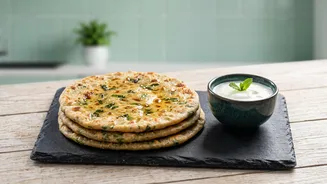
Moringa Paratha: The Superfood Staple
PM Modi has personally mentioned his fondness for parathas made with Moringa, or drumstick leaves. This isn't just any flatbread; it's a nutrient-packed meal. Moringa has earned the 'superfood' label for good reason. The leaves are rich in vitamins, minerals, and antioxidants that are known to boost immunity and fight inflammation. By incorporating these powerful greens into a daily staple like paratha, his diet gets a significant nutritional upgrade. It's a modern take on traditional wisdom, using a common Indian food as a vehicle for exceptional health benefits like better blood sugar control and gut health.
Dhokla: The Light Gujarati Snack
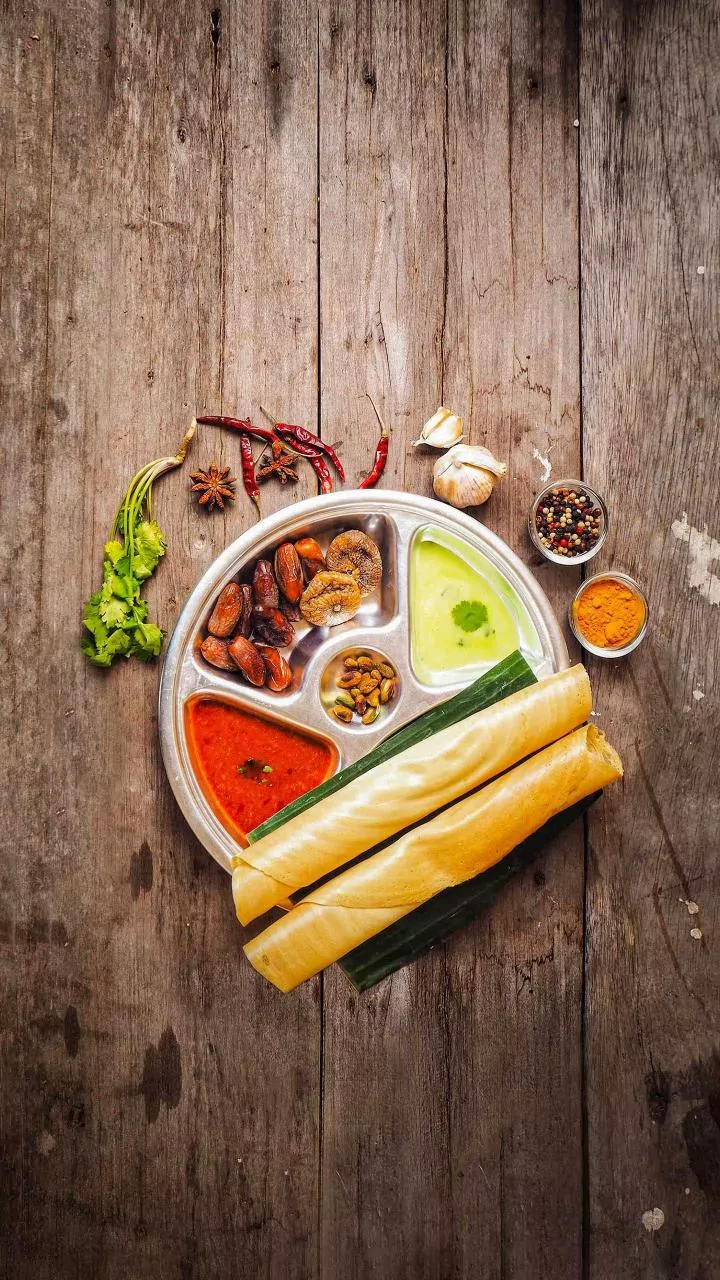
As a proud Gujarati, it's no surprise that classic dishes from his home state feature in his diet. Dhokla, a soft and spongy steamed cake made from fermented gram flour, is one such example. Unlike many fried snacks, Dhokla is light, low in calories, and rich in protein. The fermentation process not only gives it a unique texture but also enhances its nutritional value, making it easier to digest and good for gut health. It represents a perfect snack—flavourful and satisfying without being heavy, making it an ideal choice for someone with a demanding schedule.
Yogurt: The Digestive Aid
A simple bowl of curd or a glass of buttermilk (chaas) is a consistent feature alongside PM Modi's meals. In Indian food culture, yogurt is much more than a side dish; it's a vital digestive aid. Packed with probiotics, it supports a healthy gut microbiome, which is crucial for overall wellness and immunity. It also has a cooling effect on the body, which helps balance meals, especially in a warm climate. This humble addition is a testament to the Ayurvedic principle of including all tastes in a meal and ensuring food is not just nourishing but also balancing.
Poha: A Wholesome Breakfast
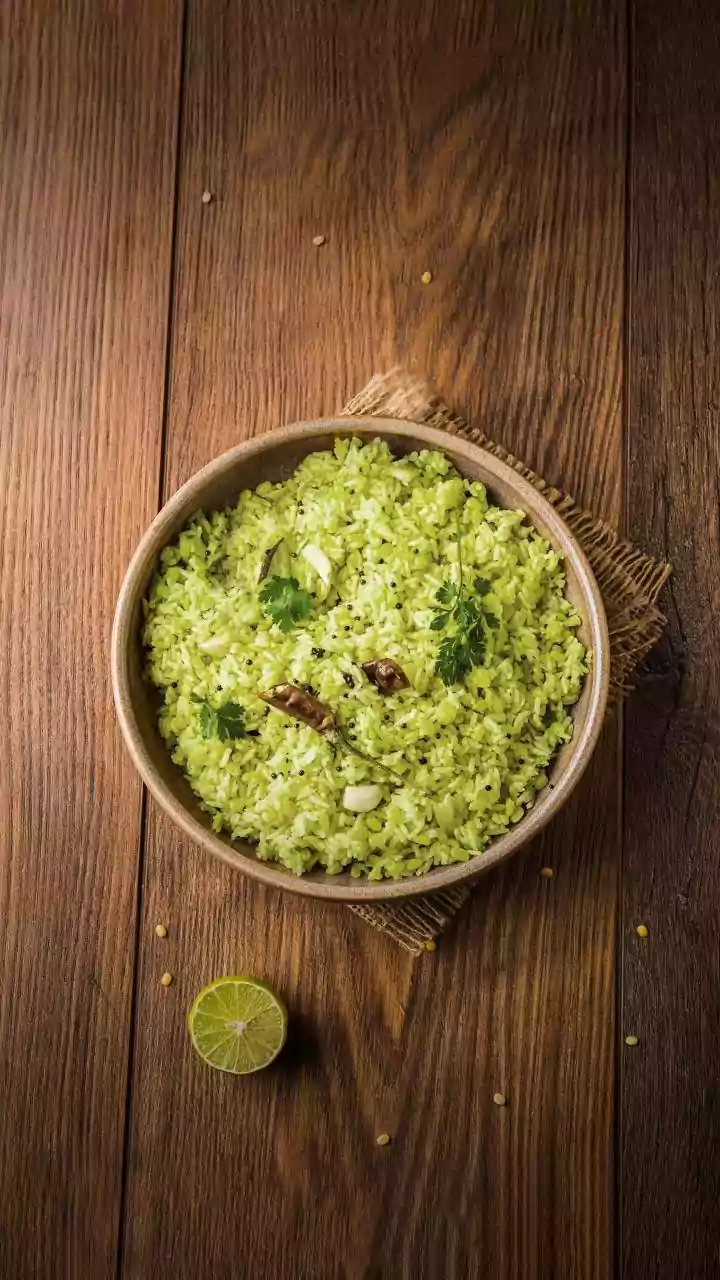
Poha, or flattened rice, is another simple dish that has been linked to the Prime Minister, particularly as a breakfast he used to cook himself. This popular Indian breakfast is light on the stomach yet provides sustained energy, making it an excellent way to start a long day. It's often cooked with a light tempering of spices, onions, and sometimes peanuts, adding flavour and nutrients without being oily or heavy. Its ease of preparation and gentle digestive properties make it a practical and healthy choice for a morning meal.
Makhana: The Nutrient-Dense Snack
In a public address, PM Modi once mentioned his habit of eating Makhana, or fox nuts, on a regular basis. This puffed snack, harvested from the seeds of a water lily plant, is a nutritional powerhouse. Makhanas are low in calories and fat but high in protein, fibre, and essential minerals like magnesium and potassium. They are a perfect guilt-free snack to manage hunger between meals. His endorsement of this traditional Indian superfood also highlights a broader message of looking towards local and indigenous foods for modern health solutions.
Warm Lemon Water: The Morning Ritual
Many reports on PM Modi's disciplined routine mention that he starts his day with a glass of warm water, sometimes with lemon juice. This wellness practice is popular across the world and is rooted in Ayurvedic traditions for its cleansing properties. Drinking warm water is believed to help kick-start the metabolism, aid digestion, and flush out toxins from the body. While it's a simple habit, its consistent practice is believed to contribute significantly to maintaining digestive health and overall hydration throughout the day, setting a foundation of wellness before the first meal is even eaten.