





A Cool Change on Urban Streets
Walk through any major Indian city today, and you’ll see it: hands wrapped around plastic cups filled with ice, condensation dripping, showcasing colourful concoctions. From office-goers grabbing a cold brew to college students sipping boba tea, iced
drinks are no longer a niche luxury but a mainstream staple. This trend is visible everywhere, from international coffee chains like Tata Starbucks, which sees sustained demand for cold drinks year-round, to local cafes and even quick-commerce apps. One report from an online delivery platform noted a staggering 700% rise in cold coffee orders as temperatures climbed, highlighting how closely consumer choices are tracking the weather. What was once an occasional treat is now an everyday ritual for many.
Beyond Cold Coffee and Iced Tea
While cold coffee and iced tea are leading the charge, the variety of chilled beverages gaining popularity is immense. The Indian iced tea market is projected to grow significantly, with a forecasted compound annual growth rate (CAGR) of 18.6% between 2025 and 2030. But the innovation doesn't stop there. Consumers, particularly the younger generation, are exploring everything from the chewy pearls of boba tea to the earthy notes of matcha and hojicha lattes. Traditional favourites are also getting a modern, chilled makeover. Nimbu pani, classic sharbats, lassi, and buttermilk are being joined on menus by kombuchas, electrolyte drinks, and protein-infused shakes, reflecting a wider trend towards functional and wellness-oriented beverages.
The Generational Thirst for Something New
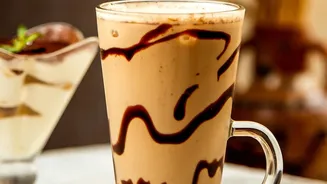
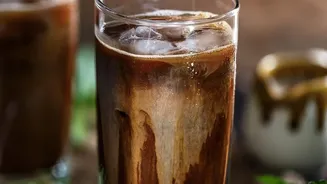
This beverage revolution is largely driven by India’s Gen Z and millennial consumers. This demographic, exposed to global trends through social media, approaches food and drink with a sense of curiosity and self-expression. For them, a beverage is more than just refreshment; it’s an experience, a reflection of their identity, and a small moment of comfort. The visual appeal of a layered iced latte or a colourful boba tea is perfectly suited for an Instagram-centric world. Furthermore, this generation is highly health-conscious, often seeking out low-sugar, natural, and functional options over traditional sugary soft drinks. This has pushed brands to innovate, offering everything from sugar-free syrups to drinks enriched with vitamins and antioxidants.
The Business of Staying Cool
India's beverage industry has been quick to respond. Major players like Nestlé and Hindustan Unilever are aggressively expanding their ready-to-drink (RTD) cold coffee and tea portfolios, reporting consistent double-digit growth in these segments. The market for cold beverage premixes is also on the rise, projected to grow at a CAGR of over 11% from 2026 to 2032, driven by demand from offices, cafes, and homes. This isn't just about adapting to consumer tastes; it's a strategic shift. Beverages are now one of the fastest-growing categories in the consumer goods market, prompting heavy investment in a sector that was once seen as secondary to food. The rise of quick-commerce has also played a crucial role, making these drinks more accessible than ever and turning on-demand refreshment into a daily habit.
Is the Hot Chai Era Over?
Despite the explosive growth of iced drinks, it would be premature to announce the demise of India’s beloved hot chai. Chai remains the nation's undisputed number one beverage, deeply embedded in cultural and social rituals. The morning chai, the cutting chai on a rainy day, and the chai offered to guests are traditions that run deeper than any market trend. However, what we are witnessing is not a replacement but an expansion of choice. Consumers are adding new beverage habits to their routines, not completely abandoning old ones. The same person who starts their day with a traditional hot tea might opt for a refreshing cold brew in the afternoon. It reflects a modern, adaptable Indian identity—one that embraces global trends while holding onto its rich heritage.