




The Scale of the Crisis
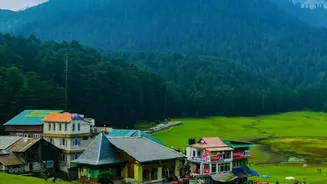
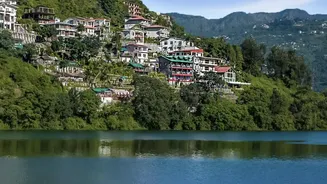
The dream of escaping the scorching summer heat is turning into a chaotic reality for countless travellers. Hill stations across Himalayas and the Western Ghats, including destinations like Shimla, Manali, Mussoorie, and Ooty, are groaning under the weight
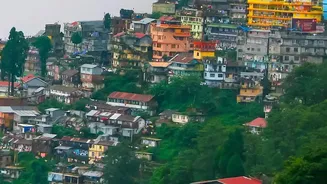
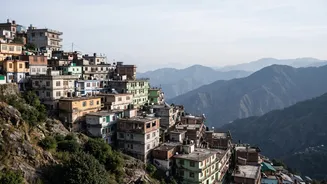
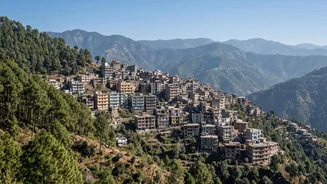
of their own popularity. This isn't just about crowded viewpoints; it's a systemic problem. These towns, many originally designed for small colonial-era populations, are now witnessing daily influxes that far exceed their carrying capacity. In peak season, Manali and Shimla see endless vehicle queues, while even destinations in Sikkim and the pilgrim routes in Uttarakhand are reporting record-breaking visitor numbers that bring local infrastructure to a near standstill. The issue has become so predictable that headlines now warn tourists which overcrowded spots to avoid entirely during holiday seasons.
Beyond Traffic Jams: The Root Causes
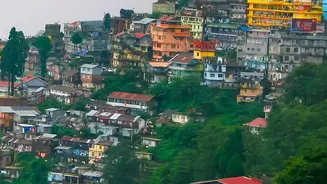
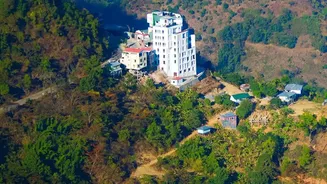
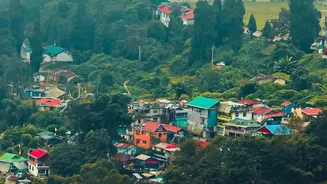
While bumper-to-bumper traffic is the most visible symptom, the crisis runs much deeper. A major driver is the rapid, and often unregulated, expansion of tourism infrastructure. Improved road connectivity and the rise of social media have made these destinations more accessible than ever, leading to a surge in visitor numbers. To meet this demand, a wave of construction has swept through these fragile ecosystems, often with little regard for environmental regulations or building codes. Forests are cleared and slopes are destabilised to build hotels, homestays, and roads, increasing the risk of landslides and flash floods. This haphazard development is not just an eyesore; it fundamentally alters the landscape and creates long-term environmental hazards in regions already vulnerable to climate change.
The Sinking Feeling of Scarcity
One of the most critical consequences of this unchecked growth is a severe strain on natural resources, especially water. Many hill stations are now facing acute water shortages, a problem that intensifies during peak tourist season when demand from hotels and restaurants skyrockets. Shimla, for instance, has faced crises so severe that locals have taken to social media to plead with tourists to stay away. The city's water systems, many dating back to the British Raj, are inadequate for the current population, let alone the tens of thousands of daily visitors. This often pits the needs of the tourism industry against those of local residents, who face rationing while businesses consume large quantities of water to meet visitor expectations. Compounding the issue are factors like reduced snowfall and contaminated water sources, turning these once-abundant regions into zones of recurring water stress.
Losing More Than Just Peace and Quiet
The environmental degradation is stark. The massive influx of people generates tonnes of waste, particularly single-use plastics, that local municipalities are ill-equipped to handle, leading to pollution of rivers and forests. The constant traffic contributes to air and noise pollution, disrupting wildlife and diminishing the natural beauty that defines these areas. Beyond the ecological cost, there's a cultural one. The relentless commercialisation has led to what many feel is a loss of authenticity. Local markets are often filled with overpriced goods, and the unique character of these towns is being eroded, replaced by a standardised, chaotic tourist experience. For many long-time visitors and residents, the very soul of these places feels like it is slipping away.
Is Sustainable Tourism Possible?
The problems are complex, but not without potential solutions. Experts and environmentalists have long called for a shift toward sustainable tourism practices. This includes stricter enforcement of building codes, better waste management systems, and regulating tourist inflows to match a destination's carrying capacity. Some state governments are beginning to respond. Himachal Pradesh, for example, has launched an eco-tourism policy aimed at developing new, sustainable tourist sites to divert pressure from popular hubs like Shimla and Manali. These initiatives focus on promoting activities like trekking and bird watching, involving local communities, and creating jobs for nature guides. The promotion of homestays and community-based tourism is also seen as a way to ensure economic benefits are distributed more equitably. The challenge lies in balancing economic imperatives with ecological preservation to ensure these mountain retreats survive for future generations.