






What Prompted the Action?
India's food regulator, the Food Safety and Standards Authority of India (FSSAI), has ordered CG Foods India to halt production of some of its snack products. The directive came after a recent inspection of the company's manufacturing facility in Roopangarh,
Ajmer, Rajasthan, uncovered significant violations of food safety and hygiene standards. This action is part of a broader, intensified crackdown on food safety lapses across the country by both central and state authorities, which has seen other major brands also come under scrutiny.
The Specific Violations Found
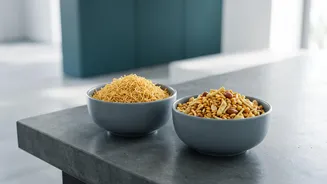
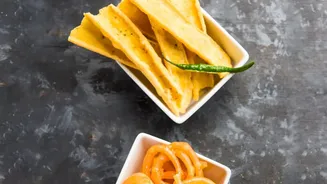
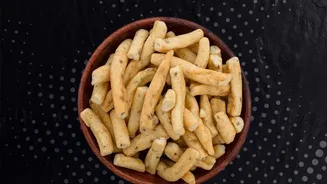
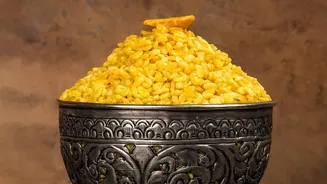
During the inspection, FSSAI officials reported several alarming practices. The most serious finding was that broken noodles collected from the factory floor were being reprocessed into bhujia, a popular fried snack, without undergoing any heat treatment to ensure safety. Additionally, the regulator found the company was manufacturing two bhujia variants, 'Wai-Wai MaMa' and 'Wai-Wai Mama Punte', without the necessary license, a direct violation of the Food Safety and Standards Act, 2006. The inspection also revealed the use of predated packaging, inadequate pest control records, and other general hygiene deficiencies.
What Action Has FSSAI Taken?
The FSSAI's response was swift and decisive. The regulator ordered an immediate stop to the production of the 'veg bhujia namkeen' products at the facility. Officials seized a massive quantity of stock, totaling over 32,000 kg, which included loose broken noodles intended for reprocessing. Furthermore, they detained 1,925 boxes of expired finished goods found on-site. FSSAI has initiated strict legal proceedings against the company and has collected various samples from the factory for laboratory analysis. These samples include the loose noodles, bhujia products, and even used cooking oil. The future course of action will depend on the results of these lab tests.
Who is CG Foods?
CG Foods India is the local arm of CG Corp Global, a multinational conglomerate headed by Binod Chaudhary, Nepal's only billionaire, often called the 'Noodle King'. The company is primarily known for its immensely popular Wai Wai brand of instant noodles, which holds a significant market share in India and beyond. While the current FSSAI action is focused on its bhujia snack products, the association with the well-known Wai Wai brand name has brought the issue into the national spotlight.
What This Means for Consumers
It is important to note that the FSSAI order does not constitute a blanket ban on all Wai Wai products. The immediate action is restricted to the specific bhujia products manufactured at the Rajasthan plant where the violations were discovered. However, the findings have raised broader concerns among the public about the manufacturing practices of a major food brand. This incident serves as a reminder for consumers to remain vigilant about food safety. The FSSAI has stated its commitment to upholding food safety standards through strict enforcement to protect consumer health. For now, the production of the implicated bhujia snacks is halted, and the company faces legal and further regulatory scrutiny pending the outcome of the investigation.