




Why Start with Herbs?
Before you worry about complex vegetables or delicate flowers, consider the humble herb. Growing herbs is one of the easiest ways to get into gardening. They are generally low-maintenance, forgiving of beginner mistakes, and thrive in the pots and containers
perfect for a small balcony or kitchen window. Unlike a vegetable patch that requires patience, herbs offer almost instant gratification. You get to enjoy the fruits (or leaves) of your labour quickly, snipping fresh flavours for your meals. This immediate access to fresh, pesticide-free ingredients not only elevates your cooking but also reduces waste and saves money on expensive store-bought bunches. Beyond the practical, tending to plants has a proven calming effect, reducing stress and offering a simple, daily ritual of mindfulness.
Your Simple Starter Kit
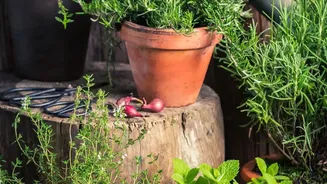
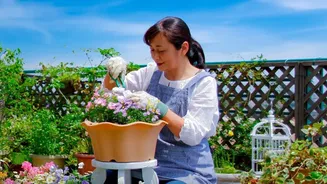
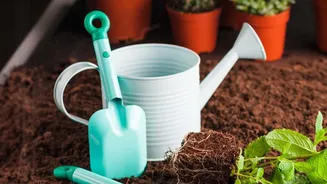
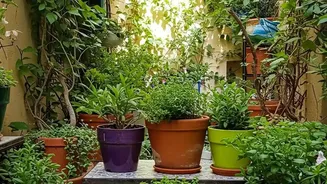
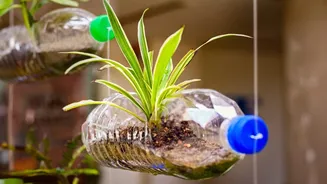
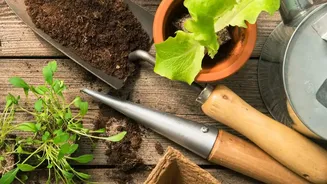
You don't need a sprawling backyard or expensive equipment. Your journey can begin with a few basic items. First, choose containers that are at least 6-8 inches wide and deep, ensuring they have drainage holes at the bottom to prevent waterlogging, a common cause of plant failure. Terracotta pots are a great choice. Next, use a quality potting mix, which is lighter than garden soil and provides the right drainage and nutrients. You can enrich it with some organic compost. Finally, identify a spot that gets at least four to six hours of sunlight daily, like a south-facing window or a bright balcony corner. That's it. You're ready to plant.
The Unstoppable Mint (Pudina)
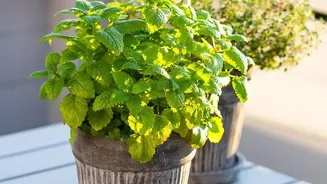
Mint is famously easy to grow—so much so that its vigour is its main feature. It’s one of the fastest-growing herbs, perfect for Indian balconies, and can even be grown from a cutting. It thrives in pots, which is ideal because it has a tendency to spread and take over any garden bed it's planted in. Mint prefers moist soil and does well even in partial sun. Just one pot can provide a near-endless supply for your morning chai, fresh chutneys, or cooling summer drinks. Regularly snipping the stems will encourage it to grow bushier and more productive.
The Sacred and Simple Tulsi (Holy Basil)
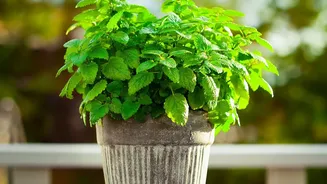
More than just an herb, Tulsi is a revered plant in countless Indian homes, known for its medicinal and spiritual significance. The good news is that this sacred plant is also incredibly hardy and easy to care for, making it an excellent choice for beginners. It grows well from seeds or a healthy cutting in a medium-sized pot with well-drained soil. Place it where it can get sunlight but is shielded from heavy, direct rain. Tulsi is known for its immunity-boosting properties and can be a calming presence on your balcony. Water it only when the topsoil feels dry to the touch.
The Essential Coriander (Dhania)
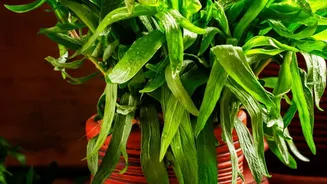
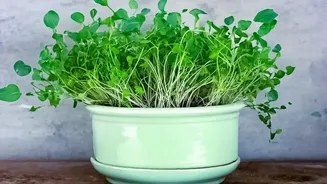
No Indian kitchen is complete without fresh dhania. Growing it at home means you'll always have a fresh, aromatic supply for garnishing your dals and curries. Coriander can be grown easily from the whole seeds found in your own kitchen spice box. It enjoys cooler weather and needs at least four to six hours of sunlight. Keep the soil consistently moist but not waterlogged. You can start harvesting the outer leaves in about four to six weeks, allowing the plant to continue producing from the centre. The satisfaction of snipping your own coriander just before serving a meal is a simple joy.
A Few Common Pitfalls to Avoid
While herbs are forgiving, a few common mistakes can trip up new gardeners. The most frequent error is overwatering. Herbs hate soggy soil, so always check if the top inch of soil is dry before watering again. The second issue is not providing enough light; most herbs need several hours of sun to produce flavourful leaves. Finally, avoid the temptation to start too big. Don't crowd too many plants into one small pot, as this can lead to competition for nutrients and water. Starting with just two or three different herbs in separate pots is a recipe for success.