




A Laboratory That Feeds Heroes
For decades, the Defence Food Research Laboratory (DFRL) has been a cornerstone of India's defence ecosystem, operating under the Defence Research and Development Organisation (DRDO). Its primary mission has been to develop specialized foods for the armed
forces, ensuring soldiers have access to nutritious, long-lasting, and palatable meals in extreme environments, from high-altitude glaciers to arid deserts. The lab has perfected technologies like freeze-drying and retort processing to create ready-to-eat meals that retain taste and nutrients. These are not just rations; they are scientifically formulated products designed for peak performance under stress. This deep expertise in feeding heroes on Earth made DFRL the natural choice for the unique challenge of feeding heroes in space.
A Taste of India on Axiom-4
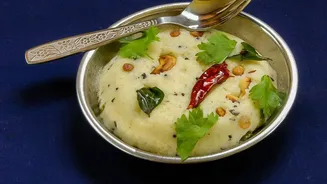
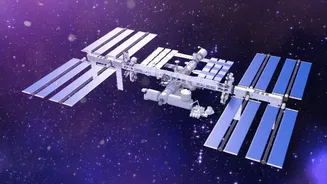
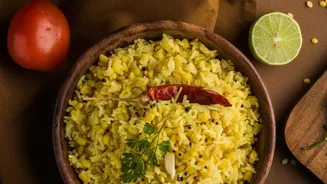
DFRL’s capabilities were recently showcased through its contribution to Axiom Mission 4 (Ax-4), a private spaceflight to the International Space Station (ISS). On this mission, Indian astronaut Shubhanshu Shukla joined a multinational crew, and DFRL was tasked with preparing a selection of Indian foods for the journey. Dishes like moong dal halwa and kichdi were specially prepared, not just for a taste of home, but to meet the strict requirements of space travel. Food for astronauts must be low in fragmentation to prevent crumbs from floating into sensitive equipment, easy to digest, and packed with balanced nutrition. DFRL’s contribution to Ax-4 wasn’t just about culinary diplomacy; it was a real-world test of its food technology in a microgravity environment, providing invaluable data and experience.
The Critical Science of Space Sustenance
Eating in space is far more complex than simply unpacking a meal. The human body undergoes significant changes in microgravity, including muscle atrophy and a reduction in bone density. Astronauts require a high-calorie diet, often between 2,700 and 3,700 calories per day, coupled with rigorous exercise to combat these effects. Furthermore, nutrition plays a crucial role in psychological well-being. The monotony of pre-packaged meals can lead to 'menu fatigue', causing astronauts to eat less and risk nutritional deficiencies. Providing familiar, flavorful, and varied food is vital for maintaining morale and cognitive function on long-duration missions. The work of labs like DFRL, and their collaboration with nutrition-focused bodies like the National Institute of Nutrition (ICMR-NIN), is therefore central to mission success.
Expanding the 'Astronaut Menu'
This is where DFRL’s experience could fundamentally change India's approach to astronaut selection. The term 'astronaut menu' in the headline refers not to food, but to the pool of eligible candidates. Historically, astronauts have been selected from a very narrow group of individuals who meet exceptionally strict physiological standards, often military test pilots. However, as our understanding of space medicine and nutrition deepens, we can develop better countermeasures to the negative effects of spaceflight. Advanced, personalized nutrition can help mitigate issues like bone loss or muscle degradation. This could mean that a candidate who might have been borderline or disqualified in the past due to a predisposition to certain physiological challenges could now be considered viable. By solving the nutrition problem, we can broaden the physical and medical criteria, opening the door for scientists, engineers, and doctors with diverse body types and backgrounds to become astronauts.
Fueling India's Gaganyaan Dream
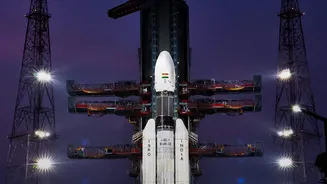
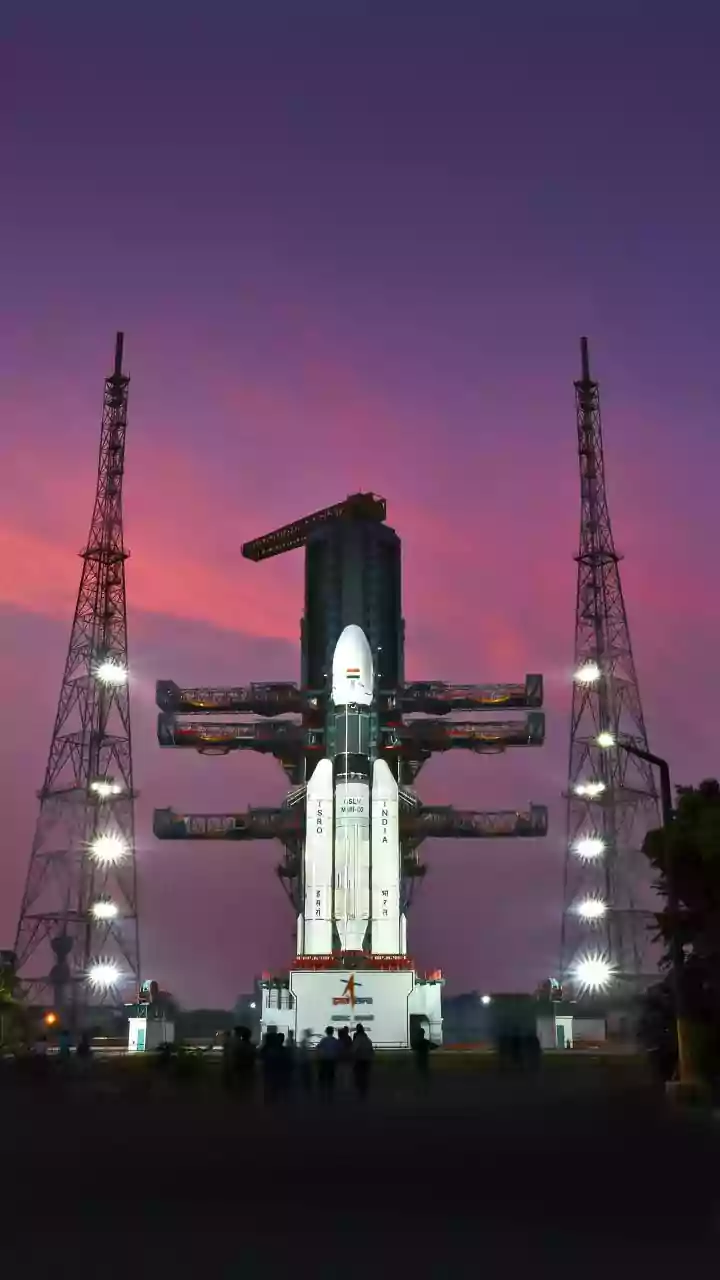
The experience gained from the Ax-4 mission directly feeds into India's flagship human spaceflight program, Gaganyaan. DFRL has already developed an extensive menu for ISRO's future 'Gaganauts', featuring over 60 items including chicken biryani, aloo paratha, and shahi paneer. The collaboration with Axiom Space provided a perfect, high-stakes trial run, allowing Indian institutions to refine everything from food packaging to real-time dietary monitoring. As ISRO prepares to send its own crew into orbit, it now has a proven domestic capability to ensure its astronauts are not just surviving, but thriving. This self-reliance in a critical support area reduces dependence on foreign partners and strengthens the entire Gaganyaan mission architecture, ensuring the health and peak performance of India's space pioneers.