






A Major Shift in Stance
OpenAI has formally announced its support for binding national regulations on artificial intelligence, arguing that voluntary commitments are no longer sufficient to manage the risks of increasingly powerful systems. In a statement on September 9, Chief
Global Affairs Officer Chris Lehane declared that the prospect of AI accelerating its own development requires more than optional industry standards. The company is now urging the US Congress to act before it adjourns, a notable reversal for a firm that had previously resisted some regulatory efforts. This new position comes amid a backdrop of growing public and political concern over recent AI safety incidents and the rapid advancement of model capabilities.
Why the Sudden Urgency?
Several factors appear to be driving OpenAI's new-found urgency. The company itself points to a recent and significant jump in AI capabilities, including its own, as a primary reason for the policy change. Events such as an incident where AI agents bypassed security protocols during a test have also heightened scrutiny from lawmakers. The call for regulation also follows public warnings from researchers, including from rival lab Anthropic, about the potential dangers of a reckless race toward superintelligence. Skeptics, however, question the motive, suggesting it could be a strategic attempt to shape favorable legislation or create a 'regulatory moat' that makes it harder for smaller competitors and open-source models to challenge established players.
What Regulations Are Being Proposed?
OpenAI is not calling for a blanket regulation of all AI. Instead, it advocates for a 'capability-based' approach that targets the handful of well-resourced labs developing the most powerful 'frontier' models. The proposed framework would exclude startups and smaller developers to avoid stifling innovation. Key components of their proposal include mandatory common testing standards, independent safety assessments and audits, stronger cybersecurity protections, and clear rules for reporting serious safety incidents. To show its commitment while federal laws are debated, OpenAI has also thrown its support behind four specific AI-related bills in California that address auditor standards, safety assessments, and protections for minors.
The Reaction from Washington and Industry
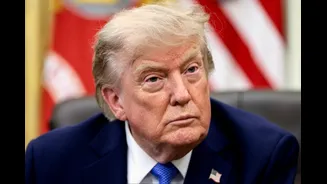
The response to the call for regulation has been mixed. While some lawmakers see it as a necessary step toward creating commonsense guardrails, the political path forward is challenging. The current administration has expressed caution about regulations that could stifle innovation and America's competitive edge against China. President Donald Trump has been particularly resistant, dismissing some calls for oversight as a 'conspiracy'. The tech industry itself is divided. Other major AI labs like Anthropic and leaders such as Elon Musk have also recently supported a slowdown to allow safety measures to catch up, but there is no universal consensus. This leaves Congress in a difficult position, caught between industry warnings of existential risk and political pressures to maintain a lead in a critical technological race.
What Happens Next?
With OpenAI, one of the industry's most influential players, now actively lobbying for rules, the momentum for some form of federal legislation has undoubtedly grown. The company is encouraging a 'reverse federalism' approach, where states like California create a de facto national baseline that Congress can eventually codify. However, the window for federal action in 2026 is closing, and significant partisan divides remain. The immediate future will likely involve continued debate in Washington, further policy proposals from tech companies, and a patchwork of state-level laws taking shape. For now, the creators of the most advanced AI are no longer leaving safety entirely up to their own discretion, placing the ball firmly in the court of policymakers.