


The Starter: A Crispy Welcome from Tamil Nadu
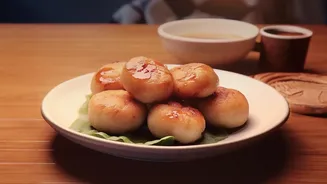
Our journey begins in the southernmost state of Tamil Nadu with Vazhaipoo Vadai, or Banana Flower Fritters. This isn't your everyday pakora. It’s a popular tea-time snack known for its uniquely crisp and crunchy texture, often found in homes and as a speciality
item in restaurants. The main ingredient, the banana blossom (vazhaipoo), is finely chopped and mixed into a coarse batter of soaked chana dal (split chickpeas), onions, chillies, and a fragrant blend of spices like fennel and garlic. While cleaning the banana flower can be a labour of love, the result is worth it: a fritter that is crunchy on the outside, yet moist and flavourful inside. This vadai offers a rustic, earthy start to the meal, representing the robust, plant-forward flavours that are a hallmark of South Indian cooking.
The Main Course: A Royal Indulgence from Lucknow
From the rustic South, we travel north to the opulent city of Lucknow in Uttar Pradesh, the heart of Awadhi cuisine. Here, we indulge in the legendary Galouti Kebab. The name itself means 'melt-in-the-mouth', and it lives up to its promise. Legend has it that these kebabs were created for an ageing, toothless Nawab who still craved the taste of meat. His royal chefs innovated by mincing meat to an incredibly fine, paste-like consistency and marinating it with raw papaya, a natural tenderizer that breaks down the fibres. The meat is mixed with a secret blend of dozens of aromatic spices before being shaped into delicate patties and shallow-fried. The texture is so soft and tender that it requires no chewing, delivering a rich, smoky, and complex flavour that speaks of royal indulgence. Served with a delicate, paper-thin 'Ulta Tawa Paratha' (inverted griddle bread), this course is a luxurious tribute to North India's rich Mughal culinary heritage.
The Sweet Finale: An Earthen-Pot Classic from Bengal
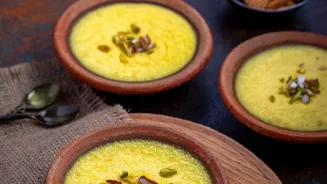
For our final stop, we head east to Bengal, a region famed for its sweets. We conclude our meal with Mishti Doi, a traditional Bengali sweet yogurt that is both simple and profoundly delicious. Literally translating to 'sweet curd', this isn't just sweetened yogurt; it is a culinary creation with a distinct character. It is made by reducing milk, then sweetening it with either caramelized sugar or, more traditionally, date palm jaggery (nolen gur), which imparts a beautiful reddish hue and a unique, earthy sweetness. This sweetened milk is then set with a yogurt culture, often in unglazed earthenware pots. The porous clay walls of the pot help absorb excess moisture, resulting in a thicker, creamier, and firmer texture than regular yogurt. The taste is a perfect balance of sweet and a gentle tang, a cool and soothing end that contrasts beautifully with the rich spices of the main course.