


The Humble Zucchini: A Versatile Hydrator
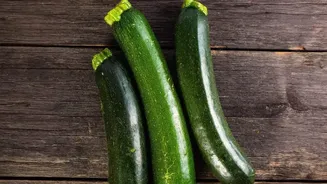
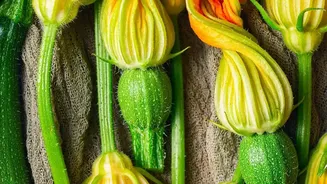
Technically a fruit but treated as a vegetable in the culinary world, zucchini is a variety of summer squash with a famously mild taste. Its subtlety is its strength, allowing it to absorb the flavours of whatever it's cooked with. Composed of about 94%
water, it’s incredibly hydrating and low in calories — a medium zucchini contains only around 33 calories. But don't let its high water content fool you; zucchini is packed with nutrients. It's an excellent source of Vitamin C, an antioxidant crucial for immune function, and also provides significant amounts of Vitamin A, potassium, folate, and Vitamin B6. The skin, which is entirely edible, contains the highest concentration of these nutrients and valuable fibre that aids digestion.
The Mighty Mushroom: Earthy and Umami-Rich
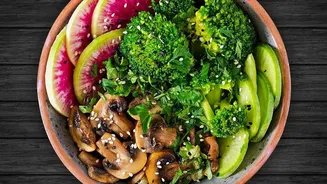
Mushrooms, which are technically fungi, bring a completely different profile to the table. They are beloved for their deep, earthy flavour and meaty texture, which provides a satisfying 'umami' taste often found in meat and cheese. This makes them a fantastic substitute in vegetarian dishes. Nutritionally, mushrooms are a low-calorie source of protein and fibre. They are one of the few non-animal sources of Vitamin D, especially if they've been exposed to UV light. They are also rich in B vitamins, which are vital for energy production, and minerals like selenium, a powerful antioxidant that helps protect cells from damage. Common varieties like white button, cremini, and portobello are all nutritional powerhouses.
Nutritional Face-Off: A Closer Look
When placed side-by-side, both zucchini and mushrooms prove their worth. A 100-gram serving of raw white mushrooms has about 15-22 calories, while the same amount of zucchini has around 17 calories. Mushrooms offer slightly more protein per calorie, making them a bit more filling. Zucchini, on the other hand, boasts higher levels of Vitamin C and Vitamin A. Mushrooms excel in their B vitamin and selenium content. Both are excellent sources of dietary fibre, which promotes a feeling of fullness and supports gut health. The choice between them from a purely nutritional standpoint is less about which is 'better' and more about balancing the specific vitamins and minerals in your diet.
In the Kitchen: When to Use Zucchini
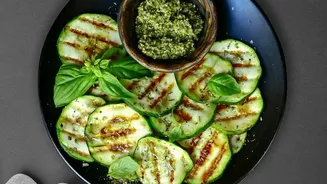
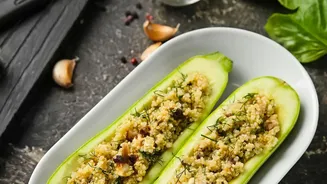
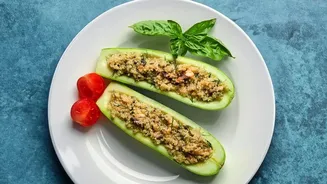
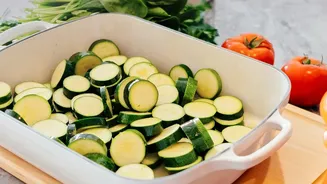
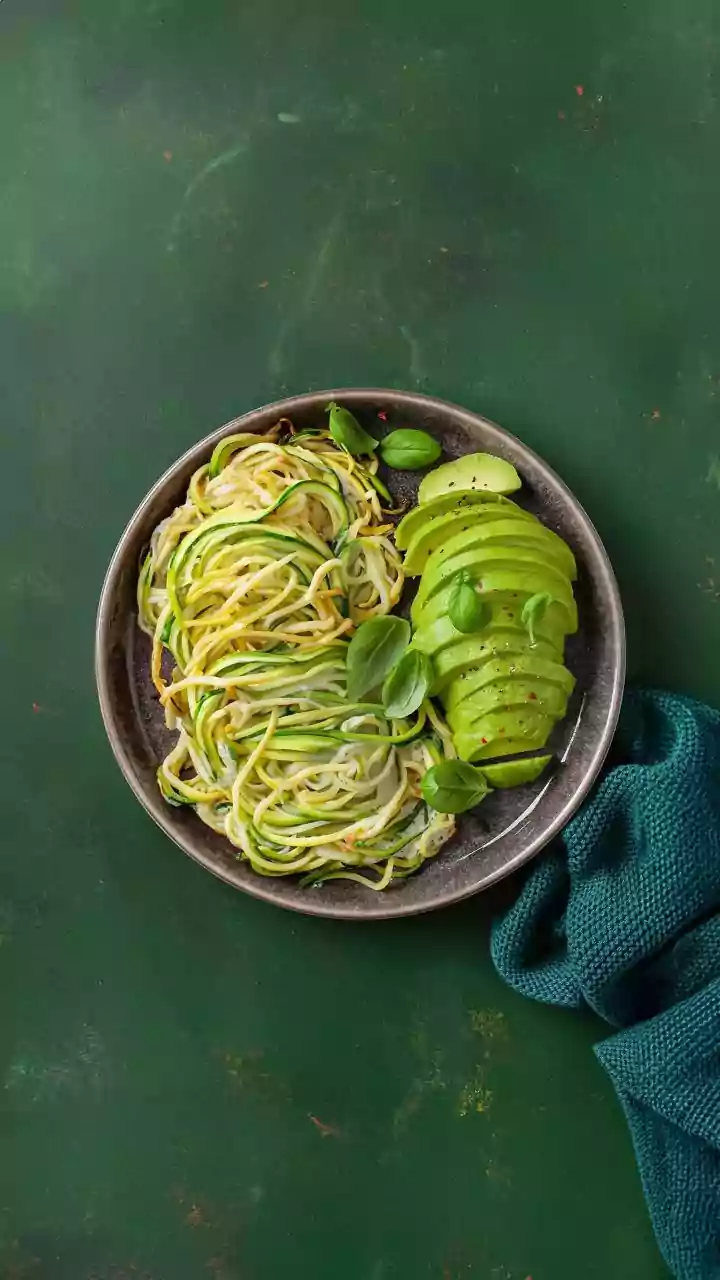
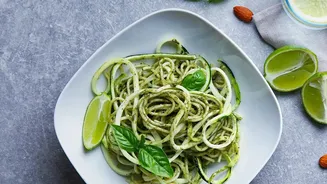
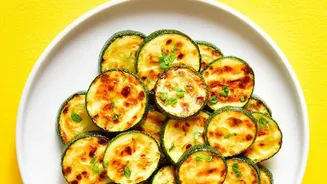
Zucchini’s soft texture and mild flavour make it incredibly versatile. Its high water content means it cooks down significantly, making it perfect for bulking up soups, stews, and sauces without overpowering other ingredients. It can be grated into baked goods like bread and muffins to add moisture, or spiralized into 'zoodles' as a low-calorie alternative to pasta. Zucchini shines when grilled, roasted, or sautéed, developing a slight sweetness as it caramelizes. However, it's important not to overcook it, as it can become mushy. Cooking it quickly over medium-high heat helps it stay tender-crisp.
In the Kitchen: When to Use Mushrooms
Mushrooms are your go-to for adding depth and a savoury, meaty quality to dishes. They act like little sponges, soaking up garlic, herbs, and other seasonings, making them incredibly flavourful when sautéed. Their firm texture holds up well to various cooking methods, including roasting, grilling, and stir-frying. Mushrooms are the star in dishes like risottos, gravies, and creamy pasta sauces. Larger portobello mushrooms can even be grilled or baked and used as a 'burger' patty or a low-carb sandwich base. To get the best browning, it's crucial not to overcrowd the pan and to cook them over medium-high heat until they release their water and start to crisp up.