

For the Thrill-Seeker
Many of India's forts, built on strategic cliffs and hills, are now playgrounds for adventure enthusiasts. The rugged landscape of the Sahyadris in Maharashtra makes forts like Harihar, with its near-vertical 80-degree rock-cut steps, a thrilling climb
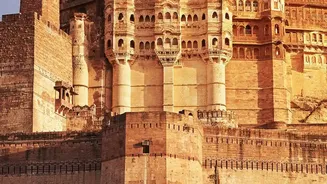
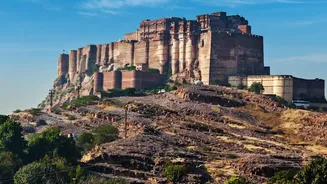
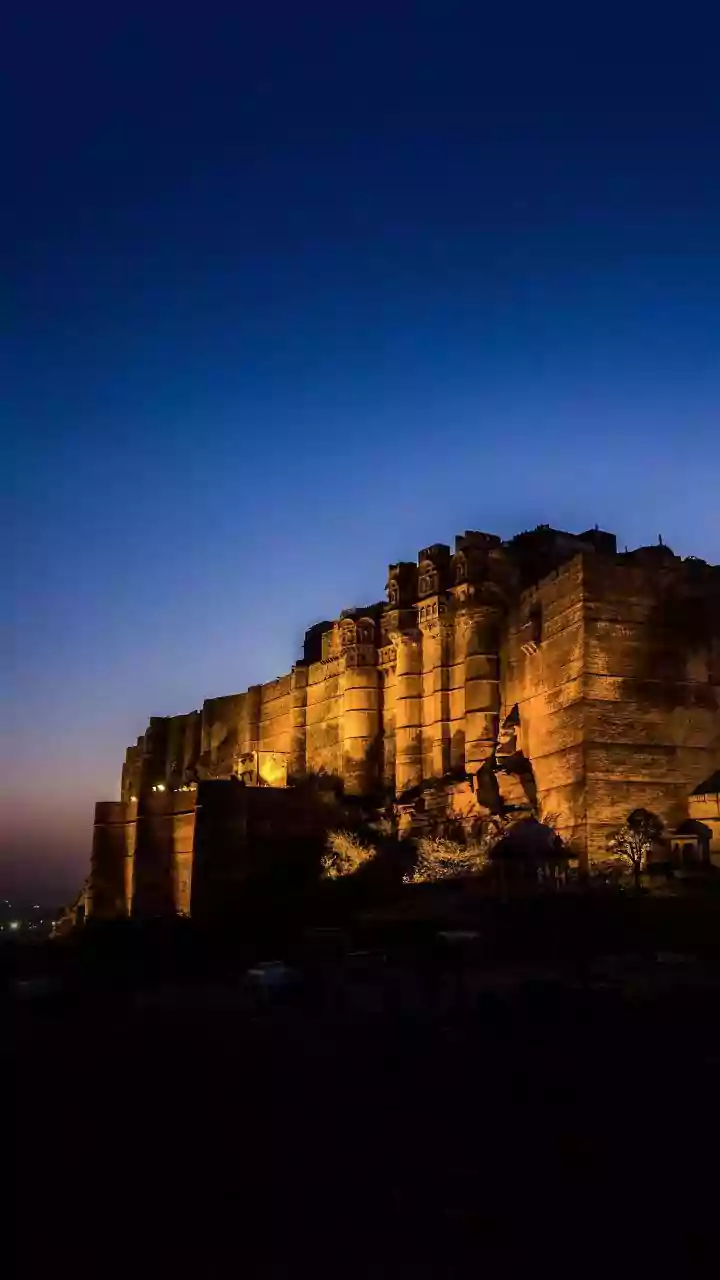
for trekkers. Similarly, Kalavantin Durg's vertigo-inducing steps offer an adrenaline rush with panoramic views. In Rajasthan, you can get a bird's-eye view of the magnificent Mehrangarh Fort in Jodhpur by soaring over it on a six-line zipline course, offering a unique perspective of its ramparts and the surrounding lakes. These experiences transform historical sites into active destinations, blending a sense of history with a physical challenge.
For the Nature Lover
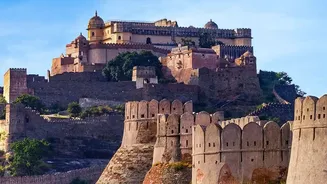
Forts are not just architectural marvels; many are nestled in biodiversity hotspots. The trek to forts like Rajmachi in Maharashtra takes you through lush forests, especially beautiful during the monsoon, revealing two fortified peaks and ancient trade routes. Treks to places like Sinhagad near Pune offer not only a historical lesson but also sweeping valley views and the reward of local delicacies at the summit. Many forts are situated within or near wildlife sanctuaries. For example, the area around Bala Quila in Alwar is rich in the floral and faunal diversity of the Aravalli mountains, which can be explored via a safari. These locations provide a perfect escape for those looking to combine a love for history with birdwatching, trekking, and immersing themselves in nature.
For the Luxury Seeker
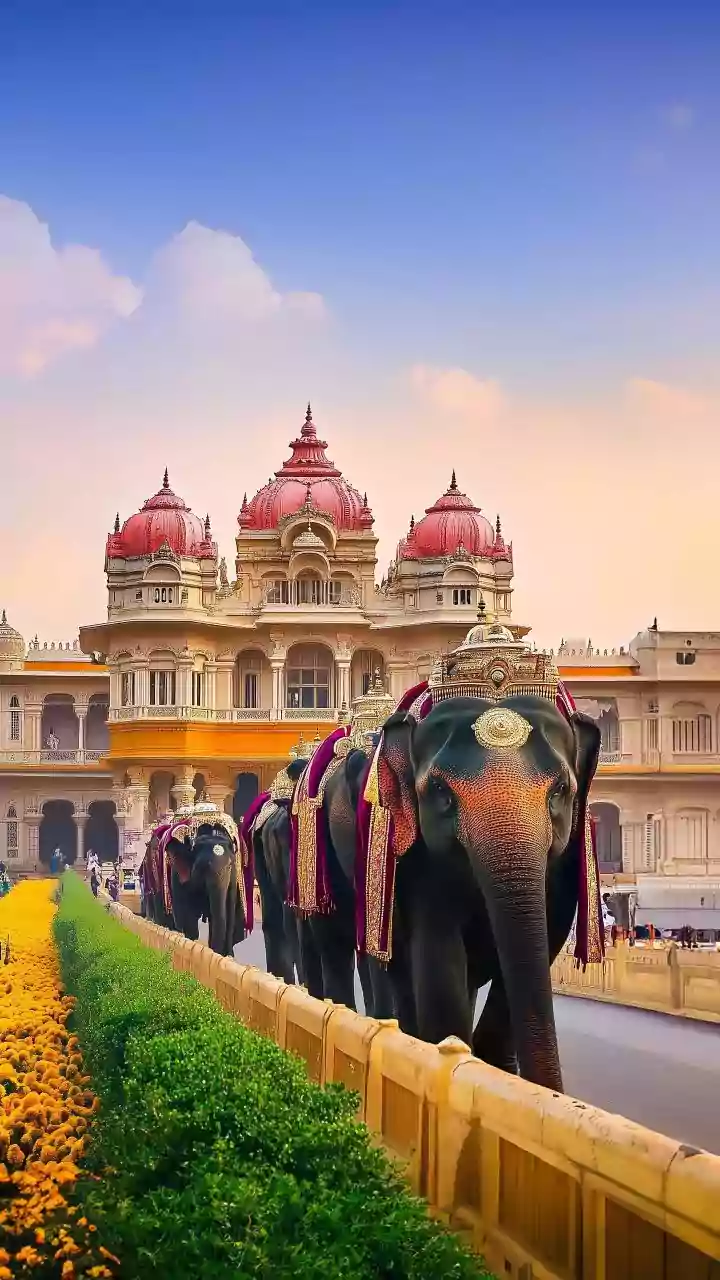
Experience royalty firsthand by staying in one of the many forts and palaces converted into heritage hotels. Properties like Alila Fort Bishangarh and Neemrana Fort-Palace in Rajasthan offer a luxurious stay within 230-year-old and 15th-century structures, respectively. These hotels meticulously restore the ancient architecture while providing modern amenities, allowing guests to live like kings and queens. From the Six Senses Fort Barwara, a restored 14th-century fort near Ranthambore National Park, to the iconic Taj Lake Palace floating on Udaipur's Lake Pichola, these stays offer an unparalleled immersion in history and opulence. It's an opportunity to sleep within the same walls that once housed royalty, surrounded by intricate frescoes and panoramic views.
For the Culture Vulture
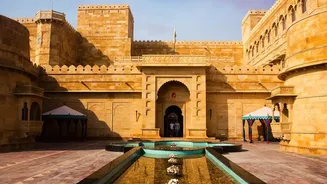
India's forts come alive after sunset with cultural events that connect the past to the present. Many forts, including the Red Fort in Delhi and Golconda Fort in Hyderabad, host spectacular sound and light shows that narrate their compelling histories. Mehrangarh Fort in Jodhpur is home to the Rajasthan International Folk Festival (RIFF), a globally acclaimed music festival that uses the fort as a stunning backdrop for performances under the stars. Jaisalmer Fort stands out as a 'living fort,' with thousands of people still residing within its walls, offering a unique cultural experience with its bustling lanes and rooftop cafes. These events transform the forts from silent monuments into dynamic venues for art, music, and community.
For the Ghost Hunter
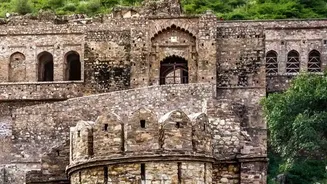
For those intrigued by the supernatural, some of India's most famous forts are shrouded in mystery and ghostly legends. Bhangarh Fort in Rajasthan is arguably the most famous haunted fort in India, with a tale of a curse that led to its desolation; entry is legally prohibited after sunset. In Pune, Shaniwar Wada is said to be haunted by the spirit of a young prince, Narayanrao, whose cries for help are believed to echo through the ruins. These stories, whether you believe them or not, add another layer of intrigue, turning a historical visit into a spine-chilling adventure and attracting those who love to explore the darker side of history.