


A Grain with Ancient Roots
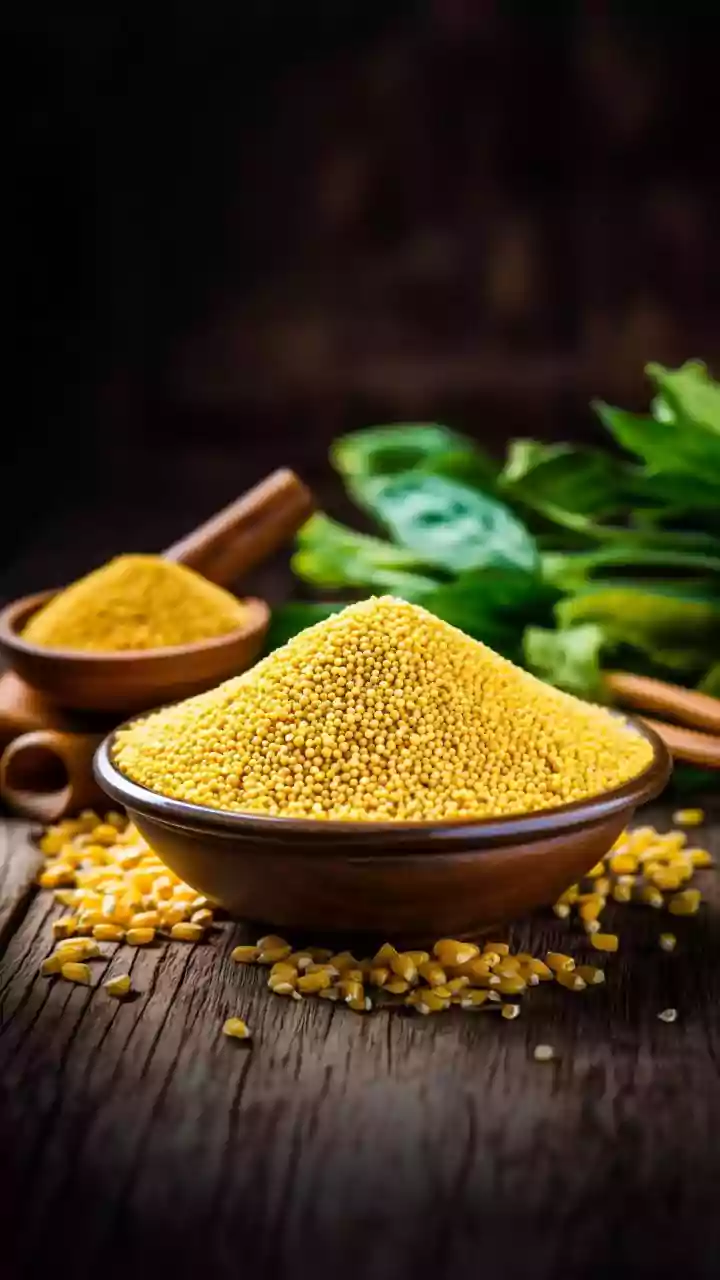
Millets are not a new discovery; they are one of the oldest foods known to humanity, with evidence of their consumption in India dating back to the Indus Valley Civilization. For centuries, hardy and nutritious grains like jowar (sorghum), bajra (pearl
millet), and ragi (finger millet) were staples across the subcontinent, making up around 40% of all cultivated grains before the 1960s. They were the foundation of diets for millions. However, the Green Revolution, while crucial for food security, shifted focus dramatically to high-yield varieties of wheat and rice. Millets were sidelined, rebranded as 'coarse grains', and gradually faded from the nation's fields and plates, their cultivation area shrinking significantly over the decades.
The Global Stage and a National Mission
The turning point for millets arrived with a concerted push from the Indian government. Recognising their potential, India first declared 2018 as the National Year of Millets. Building on this, the government sponsored a proposal at the United Nations, which led to the UN General Assembly declaring 2023 as the International Year of Millets (IYM 2023). This move, spearheaded by Prime Minister Narendra Modi, was designed to create a 'People's Movement' and position India as the 'Global Hub for Millets'. The government used its G20 presidency in 2023 as a platform, serving diverse millet-based dishes at official meetings to showcase their culinary versatility to a global audience. This high-profile advocacy was the catalyst that put millets firmly back in the spotlight.
The Health and Wellness Wave
The government's push coincided perfectly with a growing public consciousness around health and nutrition. Millets, rebranded as 'nutri-cereals', fit the bill perfectly. They are a powerhouse of nutrients: gluten-free, high in protein and dietary fibre, and packed with essential minerals like iron, calcium, and magnesium. Their low glycemic index helps in managing blood sugar levels, making them an excellent food for a country grappling with a high incidence of diabetes. As consumers began seeking alternatives to heavily processed wheat and rice, the inherent health benefits of millets made them an aspirational choice for urban households looking for healthier, more balanced diets.
The Climate-Smart Advantage
Beyond nutrition, millets are what experts call a 'climate-smart' crop. In an era of increasing water scarcity and rising temperatures, these grains offer a sustainable solution. Millets are hardy, drought-resistant, and require significantly less water than rice and wheat. They can thrive in arid conditions and on marginal, less fertile lands where other cereals might fail. This resilience makes them a vital crop for India's food security and a boon for small farmers facing the uncertainties of climate change. Their low input requirements, needing fewer fertilisers and pesticides, also contribute to a smaller carbon footprint, aligning perfectly with modern environmental concerns.
Startups and Chefs Make Millets Cool
Policy and health benefits laid the groundwork, but it was the food industry that made millets truly desirable. A new wave of over 500 startups began transforming the grain's image from rustic to modern. Companies like Slurrp Farm, Millet Amma, and Wholsum Foods introduced a range of convenient and appealing products, from millet-based breakfast cereals and noodles to pizza bases and ready-to-eat snacks. Simultaneously, innovative chefs in cafes and high-end restaurants began incorporating millets into their menus, creating dishes like sorghum falafel and proso millet tabbouleh. By making millets tasty, convenient, and aspirational, they successfully bridged the gap between farm and fork, introducing the ancient grain to a new generation of consumers.