






The Sudden Exit of a Titan
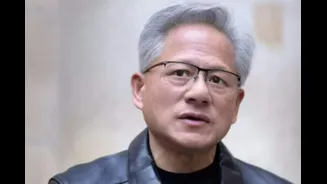
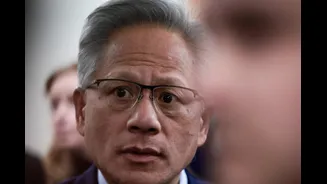
On November 12, 2026, Nvidia announced that its co-founder and CEO of 33 years, Jensen Huang, had resigned from all his positions, effective immediately. The departure of one of the tech industry's longest-serving and most influential leaders was abrupt
and shocking. The reasons soon became public: an internal board investigation was examining allegations of extramarital affairs. Reports detailed relationships with employees and, most critically, with a Chinese national whom U.S. intelligence officials reportedly suspected of being a potential spy, sparking national security concerns. As the company reeled, Chief Financial Officer Colette Kress was appointed Interim CEO.
Eleven Days That Shook the Tech World
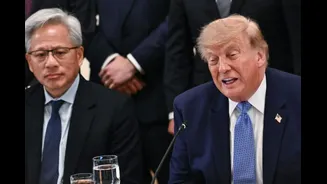
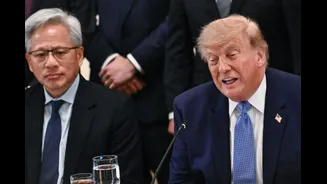
The 11 days following Huang's exit were fraught with uncertainty. Nvidia's stock saw significant turmoil, reflecting investor anxiety about the company's future without its visionary leader. Just days after the resignation, Nvidia's board chairman, Harvey Jones, stated firmly on an earnings call that the board had unanimously accepted Huang's resignation and did not plan to reinstate him. However, behind the scenes, intense pressure was mounting. Supporters launched petitions, and prominent political figures, including President Donald Trump, began lobbying for Huang's return, arguing his leadership was essential for America's technological dominance.
An Unprecedented Return to Power
In a stunning reversal, Nvidia's board announced on November 23 that it had unanimously voted to reinstate Jensen Huang as President, CEO, and a member of the board. The board's public reasoning for this dramatic U-turn was that it had 'received input from senior levels of the United States government'. Based on this input, the board declared it was confident that Huang's reinstatement posed no national security risk, directly addressing the most serious allegation that led to his ousting. Investors responded with immediate enthusiasm, sending Nvidia's stock surging over 30% and adding over a trillion dollars to its market capitalization in a single day.
Mending Fences and Moving Forward
Upon his return, Huang immediately addressed the company's employees in an all-hands meeting. According to reports, he expressed deep remorse, admitting to 'terrible mistakes' and acknowledging that he had violated the company's code of conduct. He informed staff that he had begun therapy and was committed to rebuilding trust. While taking personal responsibility, Huang also reportedly clarified that his reinstatement was not due to political pressure from President Trump but rather a board decision made after receiving government assurances regarding the national security concerns.
No Succession Plan, No Easy Answers
Despite the tumultuous events, Huang quickly signaled a return to his established leadership style. In the same all-hands meeting, he dismissed the need for a formal succession plan, a topic of concern for investors. He defended Nvidia's unique, flat management structure, where dozens of executives report directly to him, arguing that naming a successor would create an unhelpful internal hierarchy. This stance indicates that while the CEO is back, the episode has exposed critical questions about corporate governance and the risks of a founder-centric culture at one of the world's most systemically important companies. The board's independent investigation into the initial allegations also remains ongoing.