






An Issue of Ice and Wipers
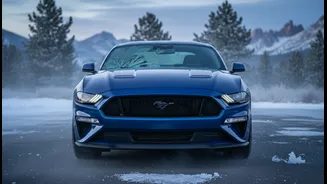
The recall affecting the traditional, gas-powered Mustang is a classic hardware and software integration problem. It involves approximately 67,842 Mustang and high-performance Mustang GTD models from the 2024 to 2026 model years. According to documents
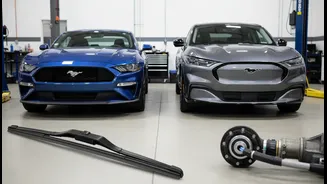
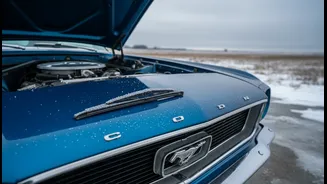
filed with the National Highway Traffic Safety Administration (NHTSA), the windshield wiper motor can lose communication with a control module when temperatures drop to freezing. This can cause the wipers to operate only on their highest setting, while the washer fluid system might fail completely. Reduced visibility in poor weather conditions prompted the safety recall. The fix requires owners to bring their vehicles to a dealership, where the wiper motor will be inspected and replaced if necessary, a familiar process for car owners who have dealt with recalls before.
A Different Problem for the Electric Pony
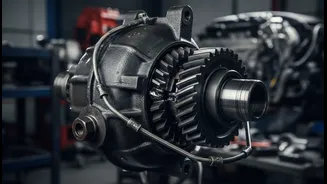
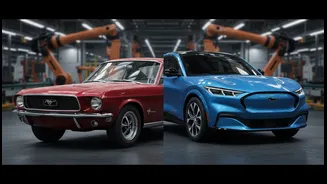
The Mustang Mach-E, Ford's popular electric crossover, is being recalled for a completely different and more mechanically serious issue. The campaign covers 42,784 rear-wheel-drive Mach-E vehicles from the 2021 to 2023 model years. The problem lies with the rear differential pinion shaft, a component that can reportedly fracture due to bending fatigue. This failure can lead to a sudden loss of driving power or, if the parking brake isn't used, could allow the vehicle to move unintentionally when shifted into Park, both of which increase the risk of a crash. Ford is still investigating the root cause of the defect but has received dozens of warranty claims related to the issue. Like the gasoline Mustang, the fix requires a trip to the dealer for a physical repair or replacement of the differential assembly.
A Familiar Story for Ford and the Industry
These two recalls are part of a much larger trend. Ford has issued more recalls than any other automaker in the U.S. for the past few years, with 56 separate campaigns launched in just the first half of 2026. These issues span everything from software glitches to major mechanical components, reflecting the immense complexity of modern vehicles. It’s not just a Ford problem, however. Millions of vehicles are recalled annually across all brands for safety defects. Analysts point to increasingly complicated global supply chains and the sheer volume of software-dependent systems in new cars as major drivers. Even a single faulty component from one supplier can affect hundreds of thousands of vehicles across multiple models and even different carmakers, turning a small error into a massive logistical and financial challenge.
The Double-Edged Sword of Technology
While new technology can introduce new problems, it also offers new solutions. Many modern recalls are now exclusively software-based. In these cases, automakers like Ford can often issue a fix via an over-the-air (OTA) update. This process, pioneered by Tesla, allows the manufacturer to send a software patch directly to the vehicle through its built-in cellular connection, much like updating a smartphone. This saves owners the time and inconvenience of a dealership visit and dramatically reduces the cost for the automaker. However, as the Mustang and Mach-E recalls demonstrate, OTA updates can't fix everything. When a physical part like a wiper motor or a differential shaft is at fault, there is no substitute for a hands-on repair by a trained technician. This creates a two-track system for automotive safety fixes: the swift, silent software update and the traditional, time-consuming dealer visit.