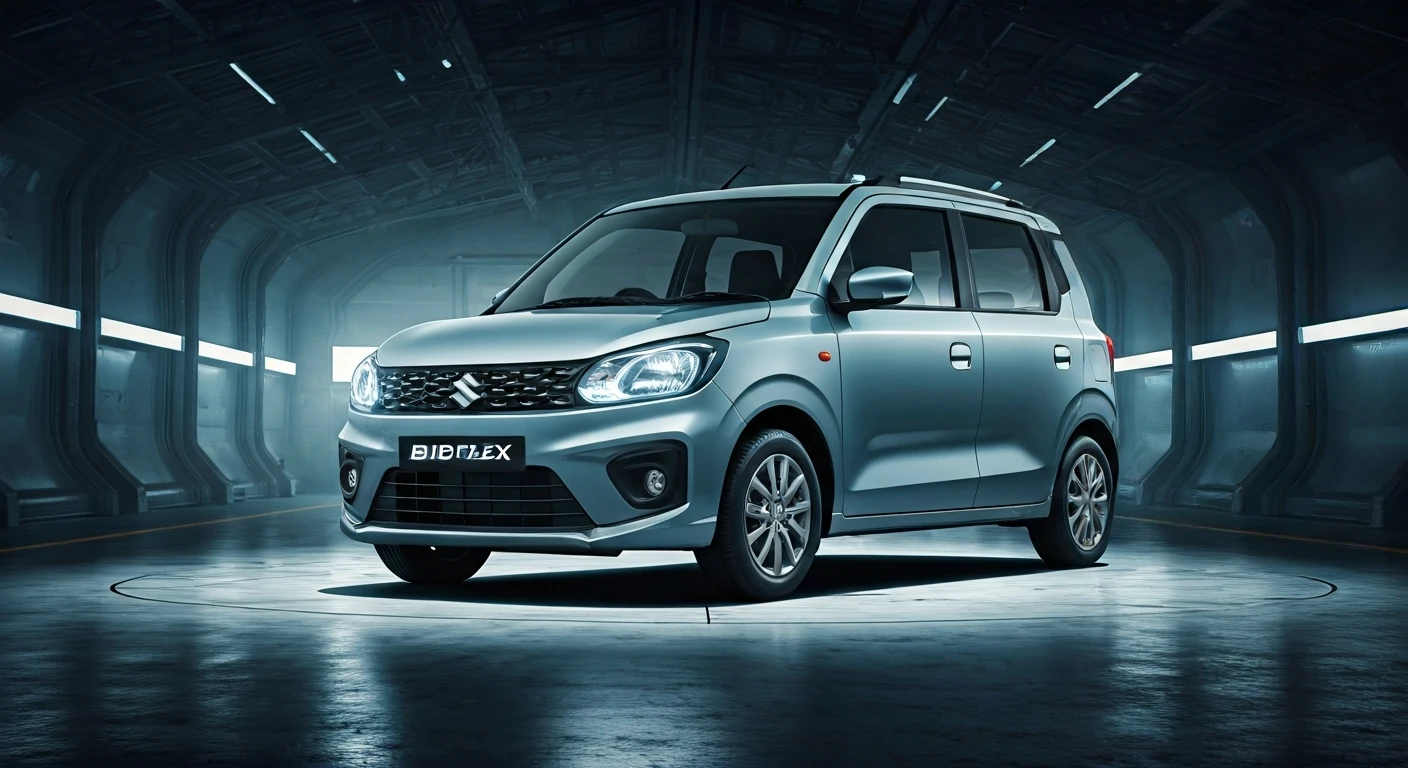








First, What Is a Bioflex Car?
Before diving into the numbers, it helps to understand the technology. 'Bioflex' or 'flex-fuel' vehicles (FFVs) are cars designed to run on more than just standard petrol. They have modified engines and fuel systems that can handle various blends of petrol and ethanol.
While today's standard cars are compatible with E20 petrol (20% ethanol), FFVs can run on much higher blends, like E85 (85% ethanol) or even pure ethanol. The goal is to reduce reliance on imported crude oil, lower carbon emissions, and support India's agricultural sector, which produces the ethanol from crops like sugarcane.
The Government’s Ambitious Green Push
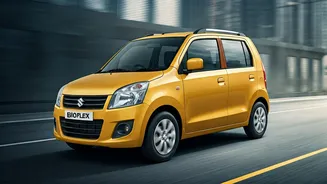
The push for FFVs is a top-down policy initiative driven by clear national goals. With India importing over 85% of its crude oil, ethanol-blended fuel offers a path toward greater energy security and reduced import bills. Ministers have championed the technology as a win-win: it promises cleaner air for cities, a stable income source for farmers, and a step toward India’s carbon neutrality targets. The government has set ambitious goals for rolling out higher-blend fuels, envisioning thousands of E85-compatible stations in the coming years. The recent launch of the Maruti Suzuki Wagon R Bioflex was framed as a major milestone in this journey.
So Why the Dismal Start?
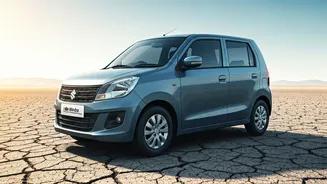
The sale of just three Wagon R Bioflex units since its early June launch seems like a catastrophic failure, but the reality is more complex. This isn't a case of consumer rejection; it's a structural problem. The initial launch was never intended for the general public. Sales have been deliberately restricted to a small group of commercial fleet operators who operate near designated pilot refueling pumps. Maruti Suzuki has stated that it expected minimal volumes at this stage, viewing it as a controlled experiment to gather real-world data without frustrating retail customers.
The Chicken-and-Egg Dilemma
The core issue holding back mass adoption is a classic chicken-and-egg problem: people won't buy cars if they can't find fuel, and fuel companies won't build stations if there are no cars. Currently, E85 fuel is available at only a handful of outlets, primarily in Delhi and Mumbai. This makes owning an FFV impractical for the average person. Until a robust and widespread network of high-blend ethanol pumps is established, the market for these vehicles will remain a niche, experimental one. The government's plan to add 500 outlets by the end of 2026 is a crucial next step.
The Cost Factor for Consumers
Even with better fuel availability, other hurdles remain. Flex-fuel cars come at a premium. The Wagon R Bioflex, for instance, costs about ₹86,000 more than its standard petrol counterpart. Furthermore, ethanol has a lower energy density than petrol, meaning vehicles get fewer kilometres per litre when running on high-ethanol blends. While E85 fuel is cheaper at the pump—around ₹20 less per litre in some cities—the drop in mileage can offset some of those savings. For price-sensitive Indian buyers, this uncertain math makes the upfront investment in an FFV a significant gamble.