



The Weight of a Famous Title
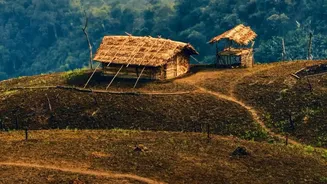
Ever since a travel magazine bestowed upon it the title of 'Asia's Cleanest Village' back in 2003, Mawlynnong has been on the bucket list of travellers across India and the world. Nestled in the East Khasi Hills, this small community of just over 100
families became a symbol of what community-led sanitation and environmental pride could achieve. Visitors flock to see the bamboo dustbins, spotless lanes, living root bridges, and the unique matrilineal Khasi culture. Tourism transformed the local economy, with many residents shifting from farming to running homestays, restaurants, and handicraft shops. The fame brought prosperity and national recognition, even earning praise from the Prime Minister. But fame, as the village discovered, comes at a price.
Paradise Under Pressure
The steady stream of visitors eventually became a flood. On busy weekends, the village of around 600 residents would see as many as 1,000 day-trippers pour in. The constant influx began to strain the village's modest infrastructure and serene atmosphere. Residents reported rising noise from tourist vehicles, and despite the community's deep-rooted cleaning habits, plastic waste left by visitors became a growing concern. More profoundly, the relentless pace of tourism started to erode the very fabric of community life. Sundays, traditionally reserved for church, family gatherings, and rest in the predominantly Christian village, were becoming just another busy workday. Villagers found themselves catering to crowds instead of participating in community life, prompting a village-wide conversation about how to reclaim their balance.
A Day of Rest and Recovery
After years of discussion, the village council, or Dorbar Shnong, made a decisive move. Starting in January 2026, Mawlynnong would close its gates to all day-trippers every Sunday. A small sign at the entrance now politely informs visitors of the rule. While guests who are already staying overnight in local homestays are welcome to remain, the ban on new day visitors effectively gives the village back to its people for one day a week. On Sundays, shops, restaurants, and public facilities close down, allowing residents to attend church services without interruption, spend time with family, and simply enjoy a day of rest. The decision was not made to discourage tourism, but to make it more sustainable and respectful.
A Model for Sustainable Tourism
Mawlynnong’s weekly closure is more than just a logistical rule; it's a powerful statement in an era of overtourism. By prioritising community well-being over non-stop commercial activity, the village is setting a new precedent for responsible tourism in India. The move acknowledges that the unique culture and peaceful rhythm of life are the village’s most valuable assets, and they need protection. It ensures that tourism serves the community, not the other way around. This decision sends a clear message to other fragile destinations across the country grappling with similar pressures: it is possible to define success not by footfall, but by sustainability and quality of life. The village is willingly foregoing a day of revenue to preserve the very essence of what made it famous.