






The Mess Seen Around the World
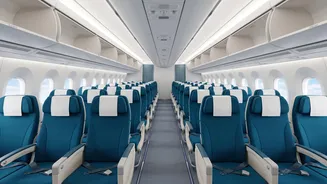
It started with a simple post. An Air India flight attendant, Vanshika Kataria, recently shared a video showing the state of her cabin post-flight. Wrappers, cups, and other bits of trash littered the floor between the seats. Her caption was not one of shaming,
but a plea for mindfulness. She reminded passengers that cleaning crews have very little time to prepare the aircraft for its next journey and that a little effort from everyone makes a world of difference. The video quickly struck a chord, igniting a widespread discussion online about passenger responsibility and basic etiquette. Commenters expressed disappointment, with many noting that basic civic sense seems to have been left at the gate.
An Industry Under Pressure
While it's easy to point fingers at passengers, the issue is more complex. The modern airline industry, particularly on short-haul routes, operates on razor-thin turnaround times. For a narrow-body jet, the window between one flight's arrival and the next's departure can be as short as 25 to 45 minutes. In that brief period, crews must perform a 'turn clean,' which focuses on visible trash removal, a quick wipe-down of tray tables, and resetting lavatories. It is a lightning-fast operation designed for efficiency. When flights are delayed, this already tight schedule gets squeezed even further, and cleaning is often the first thing to be compromised. Deep cleaning, the kind most passengers might expect, typically only happens overnight or during scheduled maintenance. This operational reality means that unless passengers take some responsibility, the baseline level of cleanliness is bound to suffer.
The Psychology of the Confined Cabin
Why do some people who maintain clean homes and cars treat an airplane cabin with such disregard? Some of it comes down to a simple lack of awareness or consideration. Flight attendants often reiterate that their primary role is safety, not just serving and cleaning. But there’s also a psychological component. Confined in a metal tube, stripped of many personal comforts, and often stressed by the act of travel itself, some passengers may enter a state of suspended social responsibility. It's the belief that someone else is paid to clean up the mess, so why should they bother? This mindset ignores the fact that flight attendants and cleaning crews are not personal maids, and that leaving a trail of garbage makes their demanding jobs even more difficult and can create an unpleasant environment for the next wave of passengers.
A Shared Space, A Shared Responsibility
The viral video and the ensuing conversation serve as a crucial reminder that an airplane cabin is a shared public space. While airlines undoubtedly have a duty to provide a clean and hygienic environment, that responsibility doesn't exist in a vacuum. Flight attendants regularly make rounds to collect trash, yet seatback pockets are frequently stuffed with used tissues, food wrappers, and even dirty diapers. This not only creates an unpleasant experience for the next passenger but can also be a hygiene hazard. Some flight attendants have even resorted to creative tricks to get passengers to clean up after themselves, like one Spirit Airlines crew member who led a fake stretching exercise that ended with instructions to pick up trash from the floor. While humorous, the need for such tactics highlights a breakdown in basic etiquette.