






God's Own Garden
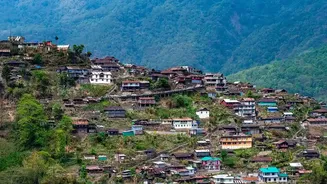
For years, Mawlynnong has been a postcard from a cleaner, greener India. Located in the East Khasi Hills, about 90 kilometres from Shillong, the village’s reputation began to build in 2003 when a travel magazine bestowed upon it the title of Asia's cleanest.
This was no marketing gimmick. Cleanliness in Mawlynnong is a way of life, a tradition passed down through generations. Residents collectively sweep the streets, and bamboo dustbins are placed at regular intervals. Waste is segregated, with organic matter turned into compost. This deep community pride and discipline transformed the small village of around 600 people into a major tourist destination, attracting up to 1,000 visitors on a single day during peak season.
A Victim of Its Own Success
The fame brought prosperity. Tourism became a primary source of livelihood through homestays, restaurants, and handicraft sales, significantly boosting local incomes. However, the constant influx of visitors, especially on weekends, began to strain the very fabric of the village. The peace and quiet that defined Mawlynnong started to erode. Residents found themselves overwhelmed by crowds, traffic, and the challenge of managing waste left by day-trippers. The very qualities that made the village famous were under threat from the sheer volume of people who came to admire them. The pressure was becoming unsustainable for the small, tight-knit community.
The Sunday Dilemma
Sundays became a particular point of friction. For the predominantly Christian residents of Mawlynnong, Sunday is a day reserved for faith, family, and rest. It is a day for church services and community gatherings. As weekend tourism boomed, villagers found their day of worship and relaxation disrupted. Instead of spending time with family, they were managing crowds, shops, and the logistical demands of hundreds of visitors. This created a conflict between their economic needs and their cultural and religious practices. The village council, the Dorbar Shnong, realised that allowing this to continue risked harming the community's well-being and unique way of life.
Reclaiming a Day of Peace
After careful deliberation, the Dorbar Shnong made a bold decision. Starting in January 2026, the village would be closed to all day-trippers on Sundays. All shops, restaurants, and public services for tourists would shut down for the day. The goal was not to discourage tourism entirely but to make it more sustainable and respectful. The move ensures residents can attend church services without interruption and have a guaranteed day for community and family life. The village leadership explained that on Sundays, they could not provide the high level of hospitality visitors deserved, which could lead to disappointment and damage their hard-earned reputation. Tourists already staying in homestays are exempt from the rule, but the decision significantly reduces the Sunday footfall.