




A Recipe for a Hit Show
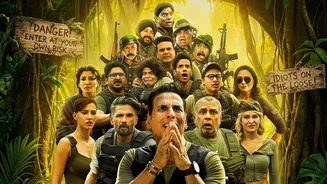
In 2010, the global phenomenon MasterChef arrived in India, promising high-stakes culinary drama and the chance to find the nation's next great home cook. The show's producers aimed for a blockbuster launch, bringing in Bollywood superstar Akshay Kumar
as a high-profile host and judge to draw in a massive audience. He was joined by professional chefs Kunal Kapur and Ajay Chopra. The stage was set for a major television event, blending the glamour of Bollywood with the technical expertise of the culinary world. But for many viewers, there was a glaring omission from this perfect recipe.
The Missing Star Ingredient
For a generation of Indians, the face of television cooking was, and remains, Sanjeev Kapoor. Thanks to his pioneering show 'Khana Khazana', he was already a household name and the country's most recognisable culinary icon. His absence from the judging panel of India's biggest cooking competition was baffling. It turns out, he was their first choice. In recent interviews, Kapoor revealed that producers approached him for the very first season, but he repeatedly said no. The rejection wasn't taken lightly, but Kapoor refused to budge, even turning down requests to make a single guest appearance. His reason was not about money in the absolute sense, but about a fundamental principle.
The One-Rupee Standoff
Kapoor's condition was simple, symbolic, and non-negotiable. He told the producers he would only do the show if he were paid more than the celebrity host, Akshay Kumar—even if it was just by one rupee. As Kapoor explained, "This is my field." His demand wasn't born from a personal issue with the actor, whom he called a "dear friend" and a "great professional." Rather, it was a principled stance on the value of expertise. In a show about culinary arts, he believed the seasoned chef—the subject matter expert—should be the most valued person on set. The extra rupee was a symbolic recognition of his decades of experience and authority in the food world.
A Stand for the Profession
When the producers refused to meet his condition for the first season, Kapoor walked away without hesitation. His decision sent a powerful message that went beyond his personal brand. It was a stand for the entire culinary profession in India. At a time when celebrity hosts from other fields often overshadowed the experts on reality shows, Kapoor’s move was a quiet insistence that professional knowledge deserved the highest respect—and remuneration. He was essentially arguing that on a cooking show, the chef's expertise is the main event, not a supporting act for a film star. The internet has largely praised his stance, with many agreeing that an expert should be valued more than a celebrity on a show about their specific domain.
The Eventual Return to the Kitchen
The first two seasons of MasterChef India aired without him. According to Kapoor, the show struggled to find its footing. Ahead of the third season, the producers came back. This time, they were ready to meet his terms. He recalled them saying, "It's not working. We need you." With his principle acknowledged and his condition met, Kapoor finally joined the franchise, becoming a central figure for several seasons. He confirmed that the makers did, in fact, pay him more, honouring the non-negotiable term he had set from the very beginning.