



A Modern Twist on a Classic Sweet
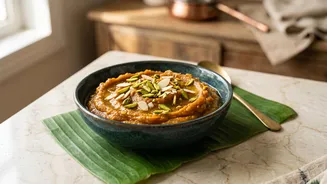
Halwa is a beloved category of Indian desserts, but sweet potato halwa holds a special charm. It's not as common as suji or gajar ka halwa, which makes it a delightful surprise at the dinner table. Sweet potatoes, or shakarkandi, are naturally sweet and creamy,
meaning you often need less sugar compared to other versions. Their earthy flavour pairs beautifully with classic Indian spices like cardamom and the richness of ghee. This halwa is also a popular choice during fasting periods like Navratri, as it is nourishing and provides sustained energy. Beyond festivals, it’s a perfect, comforting dessert for a cool evening, proving that simple ingredients can create something truly special.
Gathering Your Simple Ingredients
One of the best things about this recipe is its short and flexible ingredient list. You probably have most of what you need already. You will require about 500 grams of sweet potatoes, which is roughly two medium-sized ones. For richness, you'll need about 3 to 4 tablespoons of ghee (clarified butter). For sweetness, about half a cup of sugar is a good starting point, but you can adjust this based on how sweet your potatoes are. Many recipes also suggest using jaggery for a deeper, more caramel-like flavour. A splash of milk, about half to one cup, helps create a creamy texture. Finally, for aroma and flavour, have half a teaspoon of green cardamom powder and a handful of your favourite chopped nuts (like cashews, almonds, or pistachios) for garnish.
Preparing the Sweet Potatoes
The foundation of a great halwa is perfectly cooked sweet potatoes. You have a few options here. The most common method is to boil or pressure cook them until they are fork-tender. Simply wash the sweet potatoes and boil them in water for about 15-20 minutes or pressure cook for 3-4 whistles. Once cooked, let them cool slightly before peeling and mashing them thoroughly with a fork or potato masher. Ensure there are no large lumps for a smooth final texture. For a deeper, more concentrated flavour, some cooks prefer steaming the sweet potatoes instead of boiling, as it prevents them from becoming waterlogged. Roasting them in the oven is another excellent option that caramelises their natural sugars, adding another layer of flavour to your halwa.
A Step-by-Step Guide to Halwa Heaven
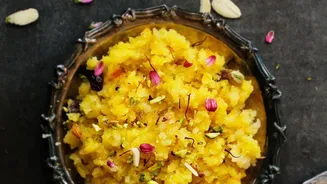
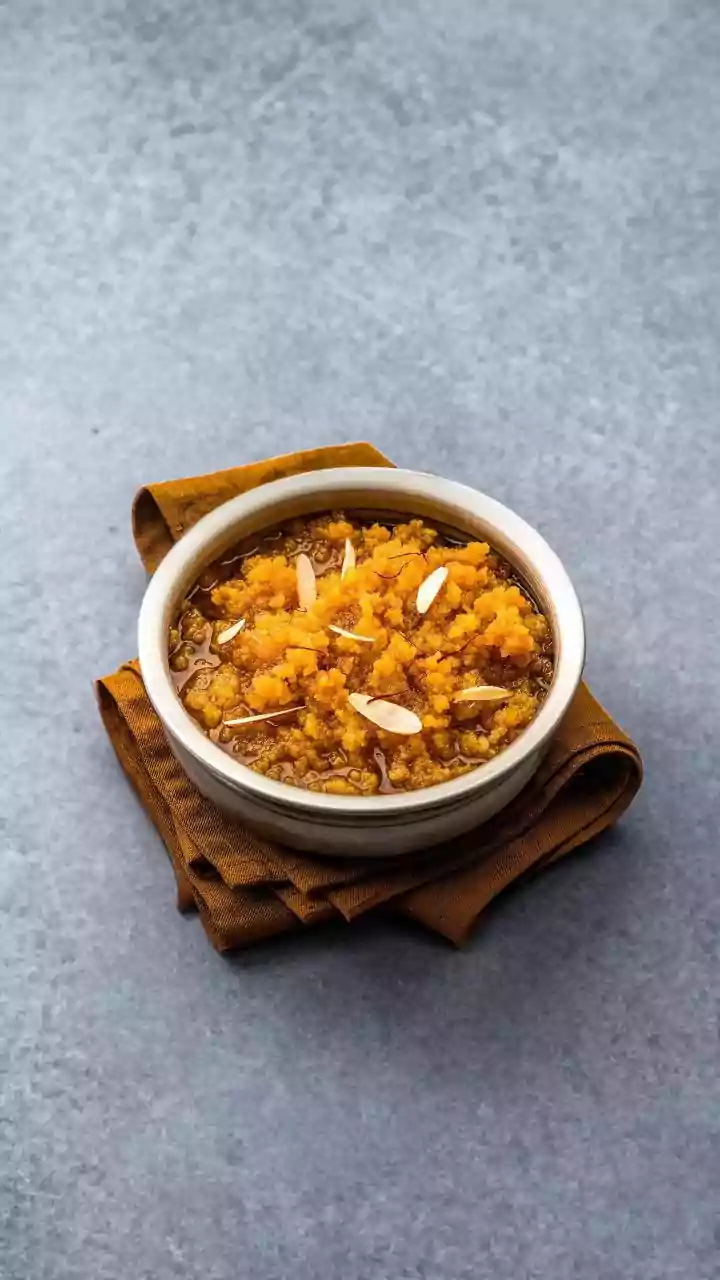
With your ingredients ready, making the halwa is a quick process. Start by heating the ghee in a heavy-bottomed pan or kadai over medium heat. If you're using nuts for garnish, you can lightly fry them in the ghee first until golden, then set them aside. In the same ghee, add the mashed sweet potato. Sauté the mash for about 5 to 8 minutes, stirring continuously. This step is crucial as it roasts the sweet potato, removing any raw taste and giving it a beautiful aroma. Once the mash becomes fragrant, add your sugar or jaggery and continue to stir. The mixture will loosen as the sugar melts. Now, pour in the milk and mix well. Continue cooking and stirring on a low-to-medium flame until the halwa thickens and starts to pull away from the sides of the pan. This usually takes another 8 to 10 minutes. The halwa is done when it becomes glossy and you can see the ghee separating slightly at the edges. Finally, turn off the heat, stir in the cardamom powder and most of your toasted nuts, reserving some for garnish.
Tips for Perfect Texture and Flavour
To elevate your halwa from good to great, keep a few tips in mind. Using a heavy-bottomed pan is important to prevent the halwa from sticking and burning. Continuous stirring, especially after adding the mashed potato and sugar, is key to achieving a smooth, non-lumpy consistency. Don't rush the roasting process at the beginning; cooking the mash in ghee until it's aromatic is what builds the foundational flavour. Adjust the sweetness to your liking; always taste your mashed sweet potato first, as some varieties are much sweeter than others. For an even richer flavour, you can add a tablespoon of milk powder or khoya (milk solids) along with the milk. A few strands of saffron, soaked in a tablespoon of warm milk, can also be added for a beautiful colour and delicate fragrance.