


The Weather Puts a Lid on It
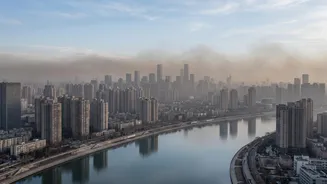
The primary driver of the seasonal decline in air quality is a dramatic shift in weather patterns. As the monsoon withdraws, wind speeds drop significantly. Calmer winds mean pollutants are no longer effectively dispersed. Simultaneously, temperatures
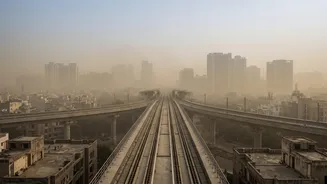
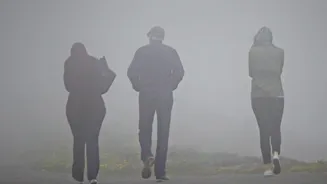
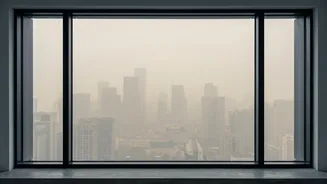
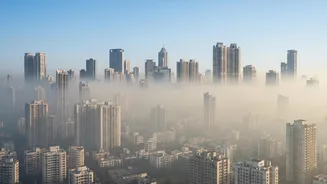
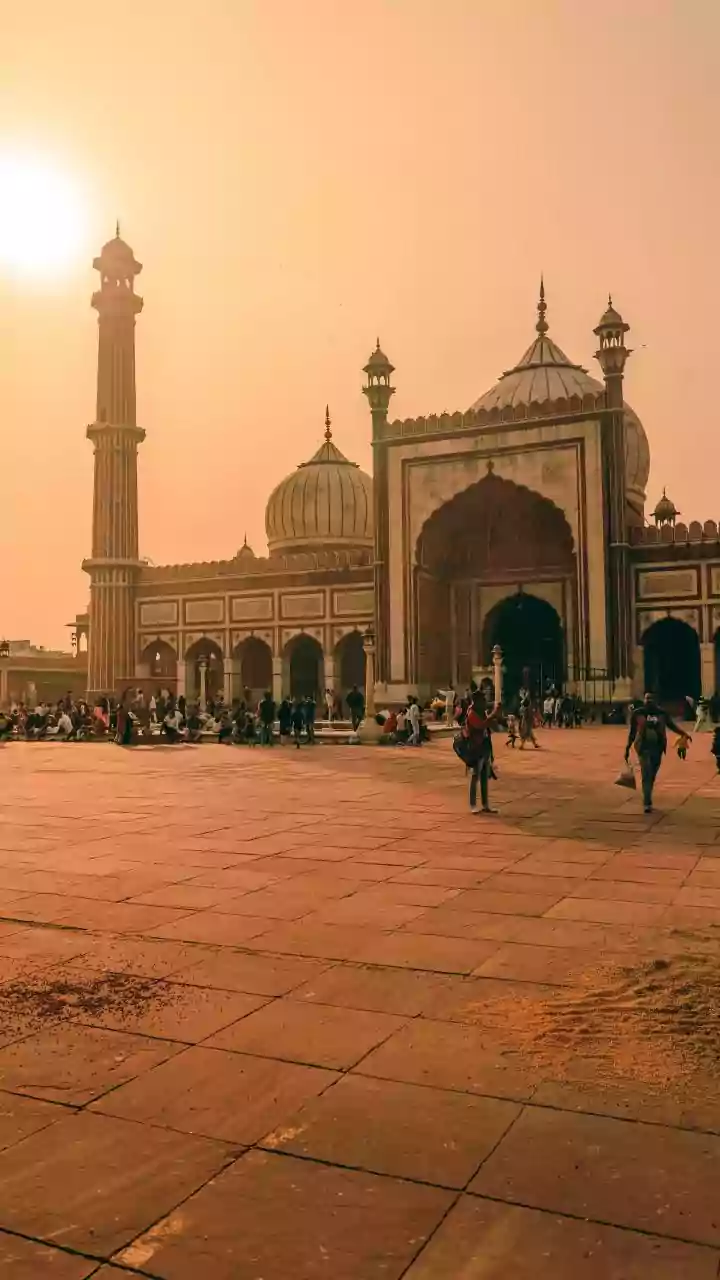
begin to fall, leading to a phenomenon known as temperature inversion. During an inversion, a layer of warmer air sits on top of cooler, denser air near the ground, acting like a lid. This traps all the pollutants generated in the region close to the surface, preventing them from rising and scattering. The result is a thick, stagnant layer of smog that chokes the city.
The Return of Stubble Burning
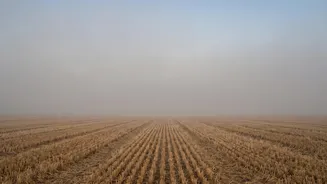
Coinciding perfectly with this meteorological shift is the post-harvest season in the neighbouring states of Punjab, Haryana, and Uttar Pradesh. Farmers, in a hurry to clear their fields for the next crop, resort to burning the leftover rice stubble. This practice releases enormous plumes of smoke containing fine particulate matter (PM2.5) and other toxins. Prevailing north-westerly winds then carry this smoke directly towards the landlocked Delhi-NCR region. According to some studies, stubble burning can contribute significantly to Delhi’s PM2.5 levels during this peak period, turning the air into a hazardous cocktail.
Local Pollution Sources Don't Take a Break
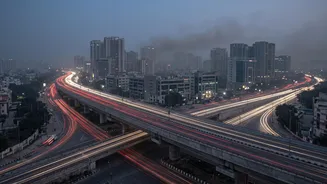
While farm fires are a major episodic contributor, the city's own pollution doesn't stop. These local sources form the baseline of pollution that gets trapped by the weather. Vehicular emissions are a massive and constant factor, with traffic congestion worsening the problem. Dust from extensive construction and demolition activities, along with road dust, contributes a significant load of coarse PM10 particles. Industrial emissions from factories in and around the NCR continuously pump pollutants like sulfur dioxide and nitrogen dioxide into the atmosphere. All these sources, which might be less noticeable during windy monsoon months, become dangerously concentrated during the calm, cool days of October.
Festive Season and Other Factors
The festive season, particularly Diwali, often falls in October or November and can lead to a sharp, temporary spike in pollution due to the bursting of firecrackers, despite bans. The smoke from fireworks releases a high concentration of particulate matter and harmful chemicals. Additionally, as temperatures drop, biomass burning for heating by lower-income communities also adds to the particulate load. Each of these factors, combined with the dominant meteorological conditions and stubble burning, ensures that the air quality plummets from 'moderate' to 'very poor' or even 'severe' in a matter of weeks.
What is the Graded Response Action Plan (GRAP)?
To combat this predictable crisis, authorities implement the Graded Response Action Plan (GRAP). This is a set of emergency measures that become incrementally stricter as the air quality worsens, moving through four stages. Recent revisions for 2026 have made the plan even more stringent, bringing some restrictions into force at an earlier stage. For example, under Stage I, there are now restrictions on older, non-compliant buses entering Delhi from neighbouring states and on the use of diesel generator sets. As stages advance, measures can include halting construction activities, implementing restrictions on certain categories of private vehicles (like BS-III petrol and BS-IV diesel cars), and even work-from-home advisories to reduce traffic.