




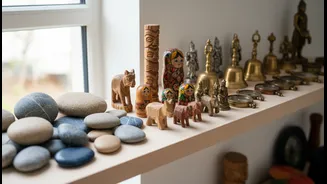


From Clutter to Curation
We all do it. We return from a trip with a bag full of mementos: a vibrant ceramic bowl, a handful of beautiful seashells, a funny-shaped bottle opener. Each item holds a precious memory. The instinct is to put them all on display, creating a sprawling
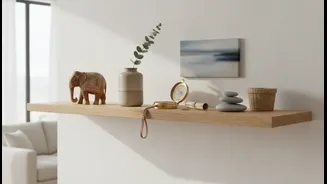
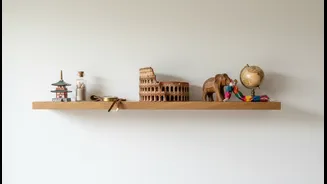
monument to our adventures. But when everything is on show, nothing truly stands out. The specialness of each piece gets diluted in the visual noise. The art of a beautifully decorated home lies not in how much you can show, but in how well you can tell a story. Curation is about making intentional choices, turning a cluttered shelf into a compelling narrative about where you've been and what you value. By editing your collection, you give each chosen item the space to shine and share its unique history.
Find Your Narrative
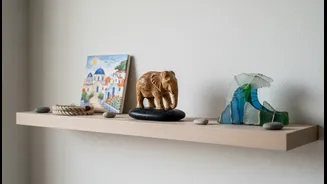
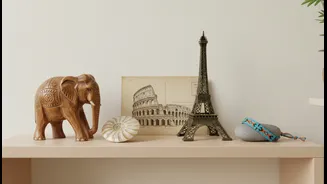
Before you move a single object, take a moment to think about the story you want to tell. Is it the tale of a single, unforgettable trip to Southeast Asia? Or perhaps it’s a story told through a specific colour, like the blues of the Mediterranean. You could also build a narrative around a type of object, such as handmade pottery, vintage postcards, or textiles from different cultures. Once you have a theme, the editing process becomes much simpler. Select only the souvenirs that fit your chosen narrative. This doesn't mean you have to get rid of everything else; it simply means you're choosing which chapter of your life to highlight right now. The rest can be safely stored, ready for when you decide to tell a different story.
The Art of Grouping
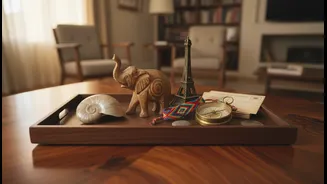
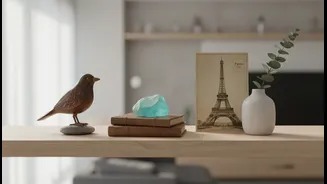
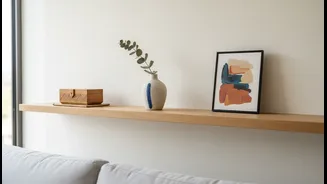
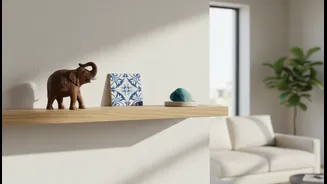
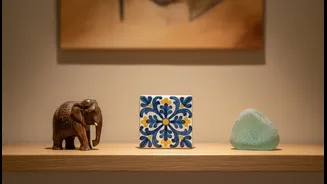
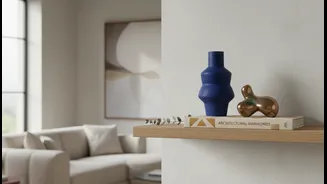
Once you've selected your key pieces, the next step is to arrange them. Instead of lining them up in a row, create small, thoughtful groupings called vignettes. An effective design trick is to group items in odd numbers, like three or five, which is naturally more pleasing to the eye. Play with height and texture within your clusters. For example, you could place a small, smooth stone on a stack of travel books next to a tall, rustic vase. Trays are a fantastic tool for creating cohesion; placing several items on a tray instantly makes them feel like a unified collection. For smaller, flatter items like ticket stubs, foreign currency, or pressed flowers, a shadow box or a floating frame can turn them into a single, beautiful piece of art.
Rotate Your Treasures
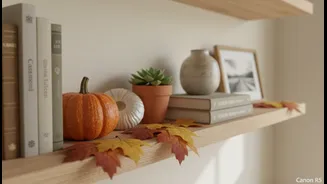
A curated home is not a static museum. One of the best ways to keep your space feeling fresh and alive is to rotate your collections. Think of it like a gallery changing its exhibitions. Every few months, or even seasonally, you can swap out your display. Pack away the coastal-themed items from your summer holiday and bring out the cosy, autumnal pieces from a mountain retreat. This approach has two major benefits. First, it prevents you from becoming “clutter-blind” to your own things. When an object is always there, you eventually stop seeing it. Second, it allows you to enjoy all of your souvenirs over time, rather than trying to cram them all into your space at once. Keep a designated 'memory box' for items that are currently off-duty.
Think Beyond the Shelf
Displaying souvenirs doesn't have to be limited to shelves and tabletops. Look for creative ways to integrate your mementos into your daily life. A beautiful textile from a Moroccan market can be framed and hung as a statement piece of wall art. A collection of small, colourful bowls from Mexico could be mounted on a kitchen wall. Even a simple keyring collection can become organised wall decor when displayed on a corkboard. Some items can even become functional. That collection of beautiful mugs can be hung on hooks in the kitchen, while a sturdy basket from a local market can be used to hold blankets in the living room. By giving your souvenirs a purpose, you transform them from static objects into active parts of your home's story.