



A Beloved Vrat and Festive Classic
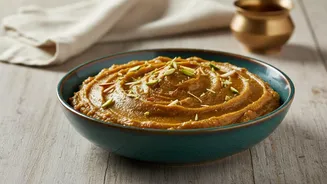
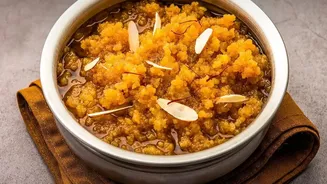
Aloo Halwa, or potato halwa, is a cherished dessert across North India, particularly in Uttar Pradesh. Its simple, satisfying nature makes it a popular dish during religious fasts (vrat) like Navratri and Ekadashi. Made from staple ingredients—boiled
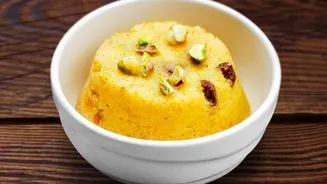
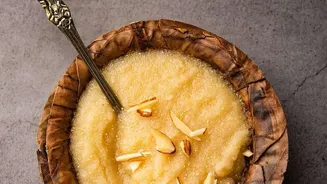
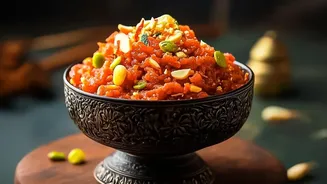
potatoes, ghee, and sugar—it's a gluten-free sweet that provides a quick source of energy. Traditionally, it’s prepared by sautéing mashed potatoes in ghee until fragrant and golden, then cooking it with sugar until the mixture thickens into a glossy, rich confection. Often flavoured with cardamom and saffron and garnished with nuts, it’s a dish that spells pure indulgence.
The Smart Secret to Stress-Free Sweets
In the whirlwind of festival preparations or the rush of modern life, spending an hour over the stove isn't always feasible. The beauty of Aloo Halwa is its forgiving nature. Preparing it in advance is a game-changer, allowing you to have a homemade dessert ready at a moment's notice. Whether you're planning for a puja, expecting guests, or simply want to satisfy a sudden sweet craving, having a batch of this halwa on hand is a true luxury. It eliminates last-minute panic and allows you to focus on the joy of the occasion, rather than being tied to the kitchen.
Cooking for Longevity: The Perfect Batch
To ensure your Aloo Halwa stays fresh and reheats well, the initial preparation is key. The most crucial step is roasting the mashed potatoes in ghee. Be patient here. Sauté the potatoes on a low to medium flame, stirring continuously until they change colour, become aromatic, and start to release the ghee they have absorbed. This process, which can take 10-15 minutes, is vital for developing flavour and ensuring a good texture. Once you add the sugar, the mixture will liquefy slightly before thickening again. Cook until the halwa comes together as a mass and pulls away from the sides of the pan. This indicates it’s cooked through and will store well.
Storing Your Halwa for Freshness
Once cooked, allow the Aloo Halwa to cool down completely to room temperature. This is an important step to prevent condensation, which can spoil the halwa or alter its texture. Once cooled, transfer it to a clean, dry, airtight container. The halwa can be stored in the refrigerator for up to 3-4 days. For longer storage, you can also freeze it. Portion the cooled halwa into freezer-safe containers or bags. It will keep well in the freezer for about a month. This method is perfect for those who like to plan their festive cooking weeks in advance.
The Gentle Art of Reheating
The key to reviving your make-ahead halwa is gentle reheating. When taken from the fridge, the ghee will have solidified, making the halwa hard. Don’t worry, this is normal. You have two excellent options for reheating: on the stovetop or in the microwave. For the stovetop method, place the halwa in a heavy-bottomed pan on low heat. Add a small splash of milk or a teaspoon of ghee to help restore moisture and prevent it from sticking. Stir gently until it's warmed through. For a quicker option, place the halwa in a microwave-safe bowl, add a splash of milk, cover it, and heat in 30-second intervals, stirring in between to ensure it heats evenly.
Finishing Touches for a Fresh Taste
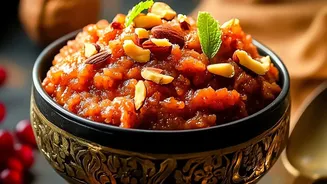
While reheated Aloo Halwa is delicious on its own, a few simple additions can make it taste like it was just freshly made. After warming it up, consider stirring in a final, small dollop of ghee. This will enhance its glossy appearance and rich aroma. A fresh sprinkle of cardamom powder can also revive the fragrance. Finally, top it with freshly chopped nuts like almonds, pistachios, or cashews for a delightful crunch that contrasts beautifully with the soft, warm halwa. These small steps elevate the reheated dessert from simply good to exceptionally delicious, making your advance preparation a truly rewarding effort.