








The Rhythm of the Bush
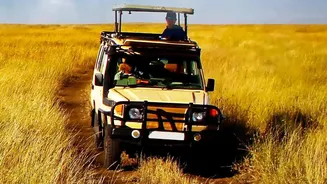
A safari operates on its own schedule, dictated by the sun and the habits of the animals. Life is stripped back to two main events: the early morning and late afternoon game drives. These are the times when the wilderness is most alive, when predators
are on the move before the heat of the day sets in, and when grazers emerge as the temperatures cool. This simple, primal rhythm is a powerful antidote to the constant connectivity of modern life. There are no notifications to check or urgent emails to answer. Instead, the focus shifts to the present moment, to the vast, open landscape and the anticipation of what it might reveal. This forced disconnection allows the mind to quieten, creating space for a different kind of awareness to take root.
The Art of Tracking
At the front of the safari vehicle often sits a tracker, a master of a language few can read. Their focus is not on the horizon, but on the ground. A bent twig, a scuff in the dirt, a fresh paw print—these are the words and sentences that tell the story of the bush. Watching a tracker at work is a profound lesson in observation. They see not just a track, but can discern the animal that made it, how long ago it passed, and even the direction it was headed. This intense focus on minutiae is contagious. Guests soon find themselves scanning the ground, pointing out things they would have previously overlooked. The world shrinks from the big picture to the intricate details, and in doing so, becomes infinitely larger and more complex.
Beyond the 'Big Five'
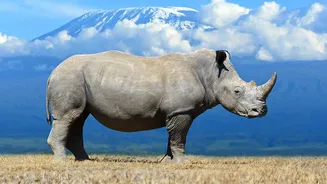
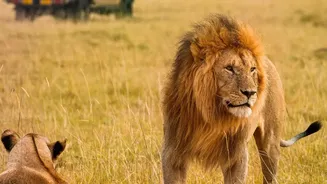
Many visitors arrive with a checklist, a desire to tick off the famous 'Big Five'—lion, leopard, elephant, rhino, and buffalo. While seeing these magnificent creatures is a thrilling experience, the true gift of the safari often lies in the moments in between. The search encourages you to look closer and appreciate the smaller wonders: the iridescent flash of a lilac-breasted roller in flight, the intricate construction of a weaver bird's nest, or the comical gait of a warthog family. Patience transforms the drive from a simple hunt for big game into a holistic appreciation for the entire ecosystem. You learn that the alarm call of a monkey can signal a nearby predator or that certain birds have a symbiotic relationship with large mammals. The initial goal of seeing a lion is replaced by the quiet joy of simply watching and understanding.
The Power of the Patient Wait
Sometimes, the most memorable sightings are born from long periods of stillness. A guide might hear a distant call, cut the engine, and simply wait. In the ensuing silence, your senses become heightened. You hear the rustle of leaves, the buzz of insects, the distant call of a bird you couldn't hear over the engine. This act of waiting, of being still and quiet in a world that constantly urges us to move, is a skill in itself. And the reward can be immense. After twenty minutes of silence, a shy leopard may finally emerge from the thicket, or a herd of elephants might silently appear at a watering hole. These encounters feel earned, a privilege granted because you were willing to respect the rhythm of the wild.
A New Way of Seeing
The lessons of the bush don't fade when you return home. A safari can fundamentally change how you interact with your own environment. It cultivates a state of mindfulness, an ability to be fully present in the moment. You might find yourself noticing the specific birdsong in your garden, the way the light changes in the late afternoon, or small details on your daily commute you had never seen before. The patience learned while waiting for a lion to appear can translate into a calmer approach to daily frustrations. The safari teaches you to stop, listen, and observe—a mindset that allows for a deeper, more meaningful connection not just with nature, but with the world at large.