







A Barrage of Attacks
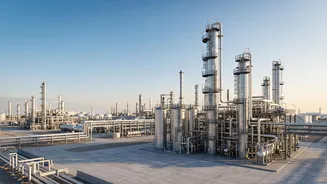
The most immediate cause of Russia's refining woes is a sustained and intensifying campaign of Ukrainian drone attacks targeting its energy infrastructure. Since early 2026, these long-range strikes have hit numerous oil refineries, depots, and terminals
deep inside Russian territory. These are not minor incidents; attacks in regions from Krasnodar to Moscow have sparked major fires, damaged critical processing units, and forced multiple facilities to halt or significantly reduce operations. This aerial assault has successfully taken a significant portion of Russia's refining capacity offline, with some estimates suggesting a drop of 14% or more, directly disrupting the production of petrol and diesel needed for the domestic market.
The Sanctions Squeeze
Physical damage from drones is only half the story. The other, more systemic problem is Russia's inability to quickly repair its sophisticated refineries. Western sanctions, imposed after the 2014 annexation of Crimea and massively expanded in 2022, have cut off Russia's access to crucial Western technology and spare parts. Many of Russia's modern refineries were built using complex components and engineering expertise from American and European firms. Now, with those supply chains severed, what might have been routine repairs have become prolonged, complex challenges. Trying to fix a damaged catalytic cracker or turbine without access to the original manufacturer's parts and technicians turns a short-term disruption into a long-term strategic vulnerability. This means damaged facilities stay offline for months, and some may not return to full capacity until 2027 or later.
Domestic Market in Turmoil
The combination of attacks and repair difficulties has created a significant crunch in the domestic fuel market. Across the country, Russians have faced rising prices, widespread fuel shortages, and rationing at petrol stations. In August 2026, reports indicated that dozens of regions had imposed strict limits on fuel sales. This pressure creates a dilemma for the Kremlin. Not only does it risk stoking public discontent, but it also threatens key sectors like agriculture during harvest season and, crucially, the supply of fuel to its own military. To stabilize the situation and prevent prices from spiraling further, the government has been forced to take drastic measures, including banning petrol exports to keep supplies within the country.
The Unexpected Turn to Imports
Faced with a production shortfall that export bans alone cannot fix, Russia has turned to the unlikely solution of importing finished petrol. To plug the gap, Moscow is relying on a mix of overland and seaborne supplies. Its neighbour and ally, Belarus, has dramatically increased its fuel shipments to Russia by rail, with deliveries in the first seven months of 2026 increasing 25-fold compared to the previous year. Russia has also looked to Kazakhstan for supplies. More surprisingly, it has been forced to import petrol by sea. In a striking reversal of trade flows, cargoes have arrived from as far away as India and Turkey. Ironically, some of this imported Indian petrol is produced from Russian crude oil, sold to India, refined, and then sold back to Russia at a premium.