





The Foundation: It All Starts With Training
Your first scuba adventure doesn’t mean being thrown into the deep end. Reputable dive centres begin with foundational training, often through a 'Discover Scuba Diving' program or a similar introductory course. This isn't a full certification but a crucial
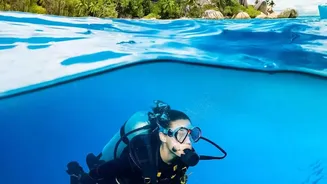
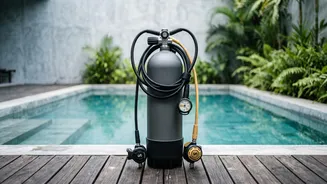
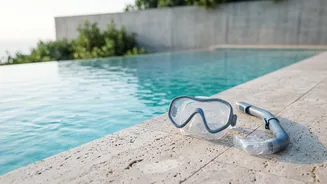
orientation designed for beginners. The process typically starts on dry land with a clear briefing from a certified instructor. They'll explain how the equipment works, what to expect underwater, and the essential safety rules. You will learn about the main components, including the mask for vision, the regulator for breathing from your air tank, and the Buoyancy Control Device (BCD) that helps you float or descend. After the briefing, you'll move to a pool or very shallow, calm water to practice a few core skills. This includes breathing through the regulator, clearing water from your mask, and getting a feel for the equipment in a controlled environment before you head out to a reef.
The Golden Rule: Patience and Calm Breathing
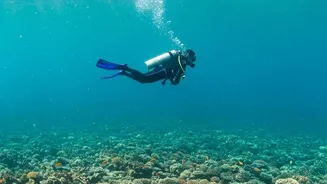
Once you're in the water, the single most important skill is patience. Rushing in scuba diving is counterproductive and can create problems. The initial sensation of breathing underwater can feel strange, and it's normal to feel a mix of excitement and nervousness. The key is to breathe slowly and continuously. Fast, shallow breathing not only uses up your air more quickly but also increases feelings of anxiety. Your instructor will guide a slow descent, and this is where patience is critical for your ears. The increasing water pressure needs to be equalized by gently pinching your nose and blowing, similar to on an airplane. If you feel any pain, you must signal to your instructor and ascend slightly before trying again; never push through ear pain. Patience also applies to your movement. Water is far denser than air, so slow, deliberate movements are more efficient and help you maintain control and conserve energy.
Your Underwater Language: Clear Signals
Underwater, you can't talk, so hand signals become your language. They are a critical safety system, not just a casual gesture. Your instructor will teach you the most important ones during your briefing. The most common signal you'll use is the 'OK' sign, made by touching your thumb and index finger to form a circle. This is both a question ('Are you OK?') and an answer ('I am OK'), and you should respond immediately whenever your instructor or buddy signals it to you. Another crucial signal is a flat hand rocked side-to-side, which means 'problem' or 'not OK'. You then point to what is wrong, such as your ear. Critically, a 'thumbs-up' gesture does not mean 'OK' as it does on land. In diving, a thumbs-up means 'go up' or 'end the dive'. Mastering these basic signals is non-negotiable for ensuring everyone understands each other and stays safe.
Trust Your Guide
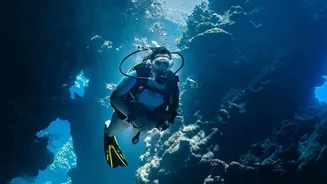
For a first-time dive, you will be with a certified instructor or divemaster at all times, often in a one-on-one or very small group setting. This person is your anchor and your guide. Their job is to ensure your safety, manage your equipment, and lead you through the experience. Listen to their instructions carefully and stay close enough so you can easily get their attention. Don't be afraid to ask questions or voice any concerns before you get in the water. A good instructor will be patient and understanding, and their entire focus is on making your first dive a successful one. If they give you a direction or a signal, follow it promptly. Trusting their expertise allows you to relax and focus on the incredible environment around you.