






Act Fast, While It's Still Warm
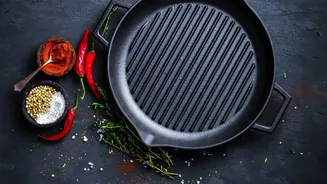
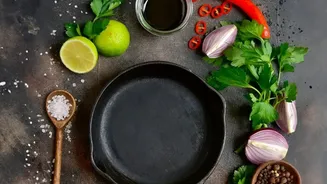
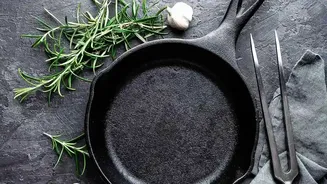
The golden rule of cast-iron cleanup is to start as soon as possible after you finish cooking, while the pan is still warm but not scorching hot. This prevents food from hardening into a stubborn mess. Once you've plated your food, use a pan scraper,
wooden spoon, or spatula to gently remove any large food bits. If there are particularly stuck-on spots, you can deglaze the warm pan by pouring in a little water and letting it simmer for a minute; this will help lift the residue right off. Pouring cold water into a very hot pan can cause it to warp or even crack, so always use warm or hot water. This initial step does most of the heavy lifting and makes the subsequent washing process much easier.
The Great Soap Debate: A Modern Take
For generations, the number one rule of cast iron was to never let soap touch its surface. This advice stems from a time when soaps contained harsh ingredients like lye, which could strip away the pan's hard-earned seasoning. However, modern dish soaps are much gentler and are formulated to cut through grease without harming your pan's polymerized oil layer. Many chefs and manufacturers now agree that a small amount of mild dish soap is perfectly fine, especially when you've cooked something greasy or with strong flavours like fish. The key is to use it sparingly and not to let the pan soak in soapy water, as prolonged moisture is the true enemy that leads to rust.
Scrub, Rinse, and Dry Thoroughly
Once you've decided on your cleaning agent—be it just hot water, a salt scrub for abrasion, or a touch of soap—it's time to wash. Use a non-abrasive sponge or a stiff-bristled brush to clean the surface. Chainmail scrubbers are also a popular and effective option for removing stubborn bits without damaging the seasoning. Avoid using steel wool on a well-seasoned pan, as it can be too abrasive. After a thorough rinse with hot water, the most critical step follows: drying. Immediately and completely dry the skillet with a lint-free cloth or paper towel. To ensure every last drop of moisture is gone, place the pan back on the stove over low heat for a few minutes until it is bone-dry. This prevents rust from forming.
A Light Coat of Oil for Protection
With the pan clean and perfectly dry, there's one final step to protect your investment: a maintenance coat of seasoning. This isn't the full, hour-long oven process you might do with a new or restored pan. It's a quick wipe-down that maintains the slick, non-stick surface and protects against rust. Pour a very small amount of cooking oil—about half a teaspoon—into the warm pan. You can use a neutral oil with a high smoke point like grapeseed, canola, or even a specialized seasoning oil. Using a paper towel, rub the oil all over the interior cooking surface, creating a very thin, even layer. You want to wipe it until it no longer looks greasy. Heat the pan on the stovetop for a few minutes until it just starts to smoke, then turn off the heat and let it cool.
Smart Storage for a Long Life
How you store your cast iron is just as important as how you clean it. Always store your pan in a cool, dry place like a cabinet or pantry. If you have a lid, avoid storing the pan with the lid on tight, as this can trap moisture and cause musty odours or rust. If you need to stack your pans, place a layer of paper towel between each one to prevent scratching and absorb any residual moisture. Many cast-iron enthusiasts also choose to hang their skillets from hooks on a wall or a pot rack, which ensures good air circulation and keeps them readily accessible for your next culinary adventure.