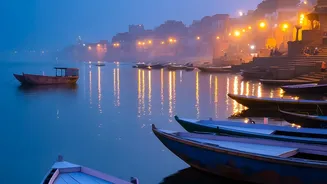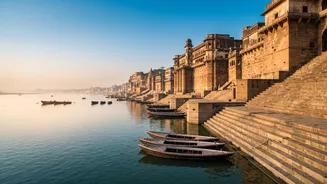






The ancient city of Varanasi, known for its deep spiritual roots, is finding a surprising new audience. India’s Gen Z, armed with smartphones and a distinct approach to travel, is turning this timeless city into a trending destination.
A New Generation of Pilgrims
Varanasi, a city
synonymous with ancient rituals and pilgrimage, is experiencing a noticeable shift in its visitor demographic. The crowds along the ghats and in the narrow galis are increasingly younger, filled with travellers in their late teens and twenties. According to recent travel data, spiritual destinations are seeing a surge in interest from Gen Z, who now account for over half of the travel bookings to these locations. This isn't the traditional pilgrimage of their parents' generation. For these young travellers, a trip to Varanasi is driven by a mix of curiosity, cultural exploration, personal growth, and a quest for experiences that are both meaningful and shareable.
Discovery Beyond the Search Bar
To understand this trend, one must look at how Gen Z discovers and plans travel. Unlike older generations who might rely on guidebooks or travel agencies, this digital-native cohort turns to social media for inspiration. Their 'search' is visual, happening on platforms like Instagram, YouTube, and TikTok, where aesthetically pleasing content and authentic travel stories reign supreme. They are influenced by peer recommendations, viral travel challenges, and visually striking, lesser-known destinations. For them, travel planning is often spontaneous, with a majority booking trips within days or weeks rather than months in advance. It's less about a pre-planned itinerary and more about a reflexive response to an open weekend or a friend's suggestion.
Why Varanasi Clicks with Gen Z
Varanasi, with its vibrant chaos and profound serenity, offers exactly what this generation seeks. The city provides a wealth of 'Instagrammable' moments—the dramatic evening Ganga Aarti, the sunrise over the river, the colourful maze of ancient alleyways—that look good online. But the appeal runs deeper than just aesthetics. Gen Z prioritises authentic experiences over tourist traps, and Varanasi delivers. From street food tours to boat rides and conversations with locals, the city offers genuine cultural immersion. This search for authenticity is a key driver, as young Indians look for travel that feels personal and unique, reflecting who they are as a person. Furthermore, for a budget-conscious generation, Varanasi offers affordable accommodation, food, and activities.
The Search for Meaningful Experiences
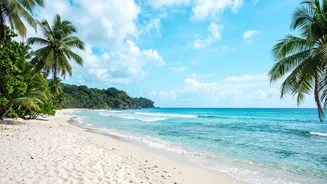
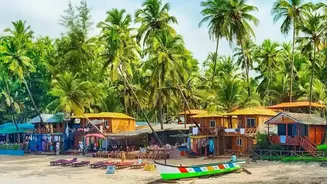
This trend is part of a larger shift in youth travel towards 'experiential' journeys. Gen Z is moving away from purely hedonistic or consumptive tourism towards trips that offer personal growth, mental well being, and a connection to nature and culture. Recent data from Airbnb showed a nearly 40% year on year increase in festive travel searches among Indian Gen Z, with Varanasi emerging as a key destination of interest alongside beaches in Goa and cities like Kolkata. This suggests a diverse travel palate where spiritual and cultural hubs are now considered just as desirable as traditional holiday spots. The travel itself becomes a form of self discovery, a quest for moments that feel alive and impossible to replicate.
A Blueprint for Heritage Travel
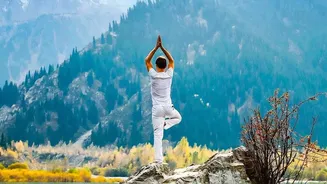
The growing interest of young travellers is reshaping the tourism landscape in Varanasi and other heritage cities. We're seeing the rise of 'shrinecations', where spiritual trips are combined with leisure activities like yoga retreats and cultural workshops. This has led to the growth of boutique hostels, modern cafes, and guided tours tailored to a younger, digital savvy clientele. The city is also adapting with smart technology; QR codes at ghats, for example, provide historical context and stories directly to visitors' phones, enhancing the experience. As Gen Z continues to blend digital discovery with a thirst for authenticity, Varanasi's success may serve as a model for how other traditional destinations can connect with a new generation of explorers.