







The Tale of Two Coffees in India
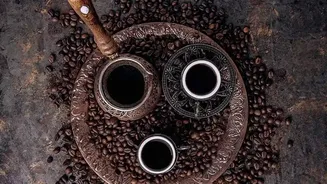
In India, coffee culture is a story of contrasts. In the south, it's the rich, aromatic filter 'kaapi', a tradition passed down through generations. Often brewed in a specific two-chambered metal filter and mixed with frothed milk and chicory, it's a household
ritual served in a dabara set. This is the coffee of comfort, community, and consistency. But venture into India's bustling metros and Tier-II cities, and a different coffee culture emerges. Here, international chains and homegrown specialty cafes serve cappuccinos, lattes, and cold brews. This new wave, driven by a younger, urban demographic, is less about tradition and more about exploration, socialising, and experiencing global trends. This internal divide between traditional consumption and the booming modern café scene is a mirror of a much larger global gap.
A World Away in the 'Bean Belt'
The journey of your coffee bean begins thousands of kilometres away, in what is known as the 'Bean Belt'—the equatorial regions of Latin America, Africa, and Asia where coffee trees thrive. India holds a significant place here, ranked as one of the world's top producers, with its coffee story starting in the Baba Budan hills of Karnataka. Indian coffee is unique; it's almost entirely shade-grown, often alongside spices like cardamom and pepper, which can subtly influence its flavour. The vast majority of India's coffee holdings—nearly 99%—are small farms of less than 10 hectares. For the millions of smallholder farmers here and across the globe, coffee is not a lifestyle choice but a livelihood. Their daily reality is one of intense physical labour, from hand-picking ripe cherries to battling pests and unpredictable weather caused by climate change.
The Economic Chasm from Farm to Cup
The most significant divide is economic. The price you pay for a premium latte in a city cafe bears little resemblance to the income received by the farmer who grew the beans. Globally, producing countries are estimated to capture as little as 5% of the final retail value of the coffee. A farmer's income is subject to volatile international commodity market prices, leaving them financially vulnerable. While market prices can hit historic highs, when adjusted for inflation, many farmers are still earning less than they did decades ago. This economic disparity is so stark that it's often called the 'coffee paradox': coffee is a multi-billion dollar industry, yet millions of the farmers who form its foundation live in poverty.
Brewing a More Conscious Cup
Increasingly, consumers are becoming aware of this disconnect. This has fuelled the rise of the 'third wave' and specialty coffee movements, which emphasise quality, origin, and traceability. In India, the specialty coffee market is booming, with consumers showing more interest in where their beans come from and how they are processed. Initiatives like Fair Trade aim to address the economic imbalance by guaranteeing a minimum price for farmers and promoting sustainable practices. By choosing certified organic or Fair Trade coffee, or buying directly from roasters who have relationships with estates, consumers can play a role in ensuring more value goes back to the producers. It's a shift from seeing coffee as a simple commodity to appreciating it as an agricultural product with a human story.