




The Allure of the Single Superfood
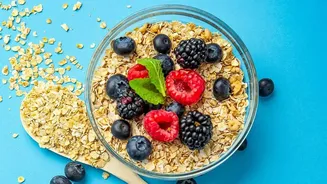
Let's be clear: oats are fantastic. They are a nutritional powerhouse packed with fibre, protein, and essential nutrients like manganese and magnesium. Their high content of a soluble fibre called beta-glucan is known for helping to lower cholesterol
and promote heart health. This has earned them a 'superfood' status, making them a go-to for anyone looking to start their day on a healthy note. The idea of a single food solving our health problems is appealing because it's simple. In a world of confusing nutritional advice, focusing on adding one 'perfect' food feels manageable. However, relying solely on oats, or any single food, means you might be missing out on what your body truly needs to thrive.
Beyond the Bowl: What 'Balanced' Really Means
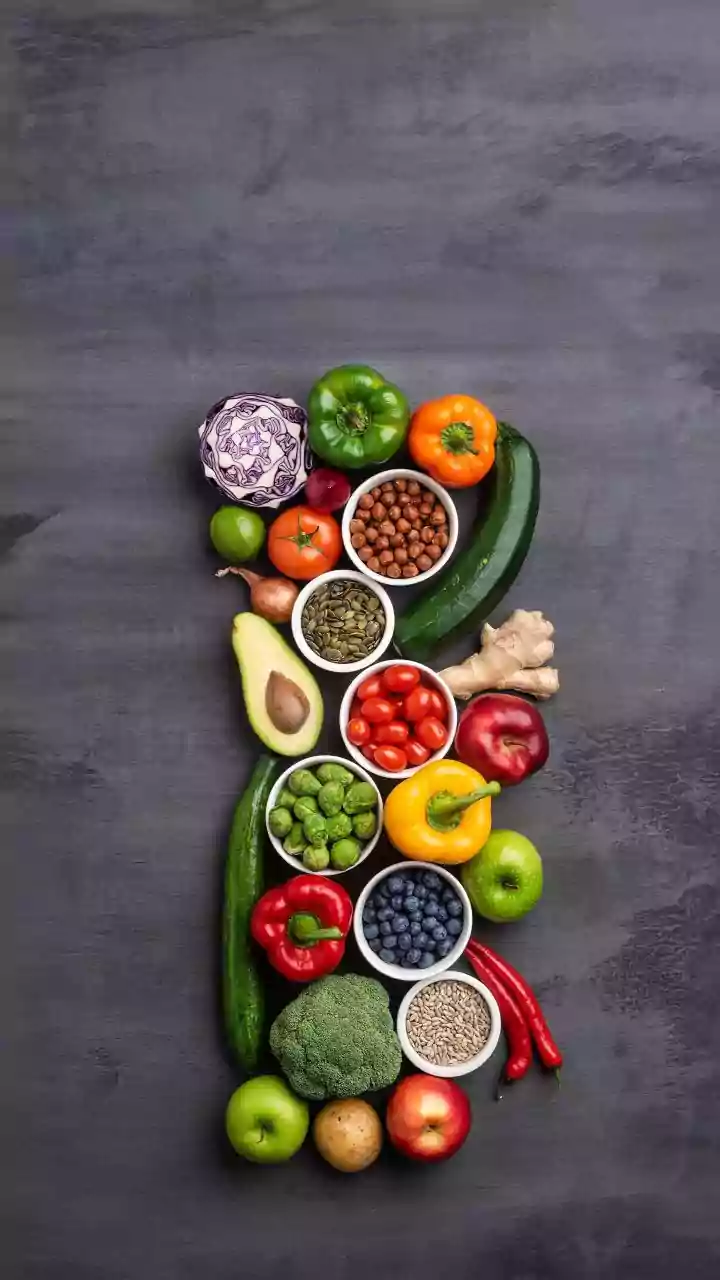
A balanced diet isn't about restriction; it's about variety and getting the right mix of foods. Think of your body as a complex machine that needs different types of fuel and materials to function. These come in two main categories: macronutrients and micronutrients. Macronutrients are the big-ticket items you need in large amounts for energy: carbohydrates, proteins, and fats. Micronutrients are the vitamins and minerals you need in smaller quantities, but they are essential for everything from your immune system to brain function. A truly balanced diet provides all of these from a wide array of sources—fruits, vegetables, whole grains, lean proteins, and healthy fats. Oats provide great carbs and fibre, but they can't cover all your nutritional bases on their own.
The Power of Teamwork: Nutrient Synergy
Nutrients don't work in isolation; they often work together in a process called 'nutrient synergy'. This means the combined effect of two or more nutrients is greater than the sum of their parts. For example, your body absorbs iron from plant-based foods much more effectively when you consume it with vitamin C. So, adding berries to your spinach salad isn't just for taste; it's a nutritional strategy. Similarly, certain vitamins—like A, D, E, and K—are fat-soluble, meaning your body needs fat to absorb them. When you eat a varied diet, you create countless opportunities for these powerful partnerships to happen. A diet focused too heavily on one food, even a healthy one, misses out on these synergistic benefits that are crucial for optimal health.
Your Gut Needs Variety
Your gut is home to trillions of microorganisms, collectively known as your gut microbiome. A diverse microbiome is linked to better overall health, from a stronger immune system to improved mood. And what does this microbiome love most? Variety in your diet. Different foods feed different types of beneficial gut bacteria. Eating a wide range of plant-based foods, like fruits, vegetables, and whole grains, helps cultivate a rich and resilient community of 'good bugs'. Fermented foods like yogurt or kimchi can also introduce beneficial bacteria. If you eat the same thing every day, like a plain bowl of oats, you are only feeding a limited number of bacterial species, which can lead to a less diverse and less robust gut environment.
The Hidden Pitfalls of Food Fixation
While oats are healthy, eating too much of any single food can have downsides. Excessive consumption of oats, particularly for those not used to a high-fibre diet, can sometimes lead to bloating and gas. Furthermore, oats contain phytic acid, a compound that can bind to minerals like iron and zinc and inhibit their absorption. While this isn't an issue in a varied diet, it could become problematic if oats are a dominant part of your daily intake. Relying on a single food also creates a risk of missing out on entire groups of essential nutrients found in other foods, which can contribute to insufficiencies over time. True wellness is built on a foundation of diversity, not monotony.