



The Big Push for E20 Fuel
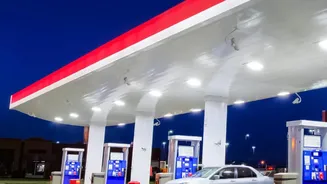
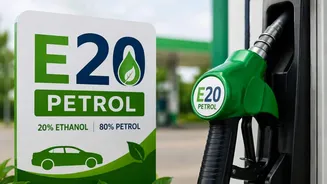
India is in the midst of an ambitious energy transition through its Ethanol Blending Programme (EBP). The centerpiece of this policy is the nationwide rollout of E20 petrol, a blend of 20% ethanol and 80% petrol. The government advanced its target for
this rollout from 2030 to 2025, aiming to reduce the country's massive oil import bill, lower carbon emissions, and provide a stable market for farmers growing crops like sugarcane and maize. As a result, E20 has effectively become the standard fuel available at most petrol pumps across the country since April 2026. This rapid shift is part of a larger strategic move to enhance India's energy security and meet its climate goals.
Why E10 Is Fading Away
With the accelerated push for E20, the previously common E10 (10% ethanol blend) has been phased out at a majority of fuel stations. The government's policy and the logistics of fuel distribution are geared towards making E20 the single, standard petrol. The Ministry of Petroleum and Natural Gas has stated that creating parallel supply chains for multiple blends like E10 and E20 would be logistically complex and costly. Maintaining separate storage and dispensing infrastructure for different fuel grades across India's more than 100,000 retail outlets is seen as a major hurdle. As a result, the focus of oil marketing companies has been solely on ensuring the widespread availability of E20.
The Problem for Older Vehicles
The transition has created a significant challenge for the owners of millions of older vehicles. While cars and two-wheelers manufactured since April 2023 are designed to be E20-compliant, a vast number of vehicles on the road today were built for E5 or E10 fuel. Using higher ethanol blends in these non-compliant vehicles can lead to concerns about potential long-term damage to engine components, fuel lines, and rubber parts. Many motorists have also reported noticeable drops in fuel efficiency and increased maintenance issues since the switch, sparking a nationwide debate. It's estimated that a large percentage of India's active petrol vehicles were not originally designed for E20 fuel.
No Official Timeline for an E10 Return
Despite growing consumer concerns and even an opinion piece from the Chief Economic Adviser suggesting E10 be made available again, the government has not announced any official plans for a relaunch. In late August 2026, the chairman of Bharat Petroleum Corporation Ltd (BPCL) made remarks that were initially interpreted as exploring the feasibility of an E10 option, but the company and the petroleum ministry quickly clarified the statement. The official stance remains that there is no decision to replace E20 or reintroduce E10 as a mainstream option. While internal discussions about the issue may be happening, there is currently no concrete timeline or policy commitment for bringing back E10 fuel.
What Can Vehicle Owners Do?
For owners of non-E20 compliant vehicles, the options are limited. The government and automakers maintain that E20 does not cause significant engine damage, though they acknowledge a minor drop in fuel efficiency is possible. Some manufacturers have made claims about the compatibility of even older models. However, with E10 unavailable at most pumps, the primary choice is between using the standard E20 or opting for more expensive premium, higher-octane fuels, which may still have some level of ethanol blending. There is some discussion about potentially offering E10 as a premium fuel in the future, but this is not a certainty. For now, vehicle owners should consult their user manuals and stay informed about fuel developments.