





A Record-Breaking Quarter
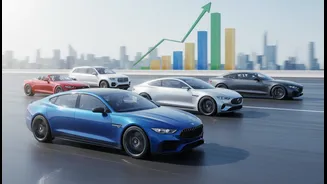
Recent data paints a picture of a robust and confident automotive market. The Federation of Automobile Dealers Associations (FADA) reported that June 2026 was a landmark month, with record retail sales across passenger vehicles (PVs), two-wheelers, and commercial
vehicles. Passenger vehicle sales alone grew by a remarkable 28.6% year-on-year, hitting their highest-ever June numbers. This momentum contributed to the highest-ever sales for the first quarter (April-June) of a fiscal year, according to the Society of Indian Automobile Manufacturers (SIAM). The growth wasn't confined to one segment; two-wheelers saw a 20.3% rise and commercial vehicles an 18.3% increase in the quarter, indicating widespread positive sentiment.
The Engine Shifts to the Hinterland
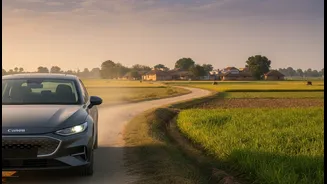
For years, the narrative of India's auto market was dominated by urban demand. However, a significant shift is underway. FADA's data has consistently highlighted that growth in rural and semi-urban areas is outpacing that of major cities. In May, for instance, rural PV sales jumped over 30% compared to about 19% in urban centres. Similarly, in June, the year-on-year growth for rural PVs stood at a strong 35%, against the urban market's 25%. This trend shows that the next wave of customers is increasingly coming from Bharat. Automakers have taken notice, with major players like Maruti Suzuki now deriving over 40% of their sales from the countryside. This growing reliance makes rural economic health more critical than ever for the industry's performance.
Monsoon: The Make-or-Break Factor
The single most important variable for this rural-led growth is the monsoon. A good monsoon season boosts agricultural output, which in turn increases disposable income in rural households, directly fuelling demand for vehicles. Industry bodies like FADA and SIAM have explicitly identified the monsoon's performance as the key factor that will shape demand in the upcoming festive season. Dealers are cautiously optimistic, but they also flag a potential monsoon shortfall as the single biggest risk to the current growth trajectory. A weak or uneven monsoon could dampen farm incomes, affecting sales of the two vehicle types most sensitive to the rural economy: tractors and entry-level two-wheelers.
Two-Wheelers and Small Cars in Focus
The health of the rural economy has a direct and pronounced impact on specific vehicle segments. The two-wheeler market, especially entry-level motorcycles, is heavily dependent on rural buyers. Strong rural cashflows are essential to sustain the 21% year-on-year growth seen in two-wheeler retail in June. Similarly, the demand for entry-level, budget-friendly passenger cars is largely driven by first-time buyers in smaller towns and villages. While the market has seen a broader trend towards more expensive SUVs, a strong rural showing often signals a revival in the small car segment. Therefore, the performance of these categories will be a clear indicator of the strength and depth of rural purchasing power in the next quarter.
Navigating the Bumps Ahead
While the monsoon is the primary variable, it is not the only challenge. The auto industry is also contending with other pressures that could affect the market. Persistent inflation, volatile fuel prices, and recent price hikes by manufacturers could make vehicles less affordable, particularly for price-sensitive buyers in the entry-level segments. Furthermore, geopolitical issues, such as tensions in West Asia, pose a risk to supply chains and can increase input costs for automakers. Balancing strong demand with these potential cost pressures and economic uncertainties will be the key challenge for manufacturers as they look to capitalize on the current growth momentum.