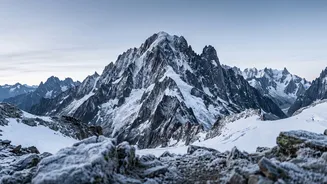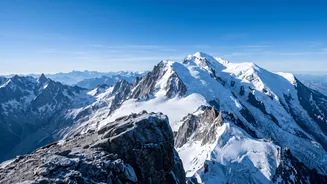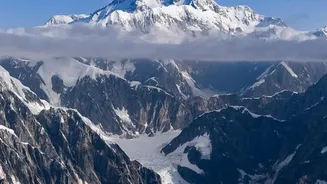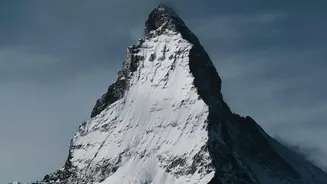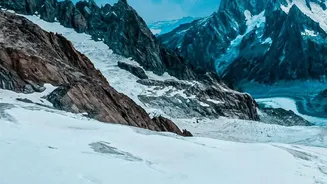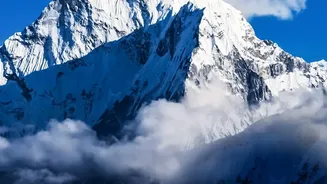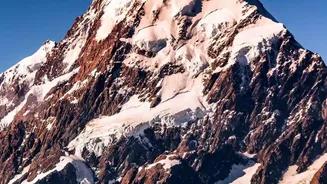


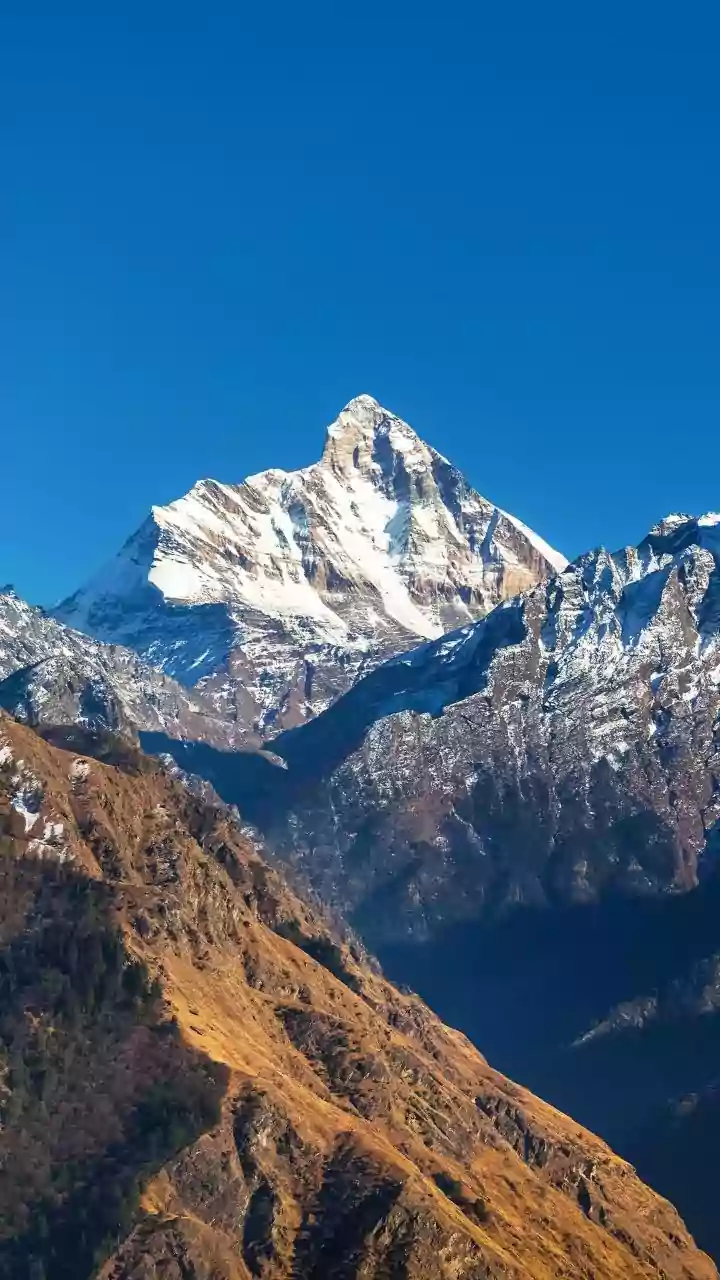

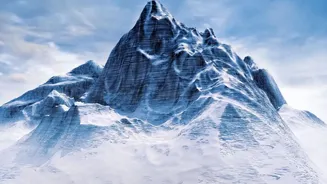
It sounds like a riddle: How can the tallest mountain in Western Europe grow or shrink by several feet in a year without the earth beneath it moving? The answer lies not in geology, but in a thick, ever-changing crown of ice and snow.
A Tale of Two Summits
The key to understanding
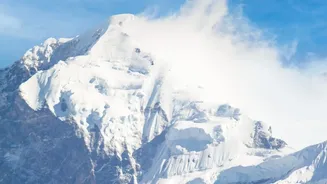
Mont Blanc's shifting stature is knowing that it has two different peaks. There is the permanent, rocky summit, which sits steadfast at an elevation of about 4,792 metres (around 15,722 feet). Then, there is the summit everyone sees and measures: a thick, perennial dome of ice and snow that sits on top of the rock. This icy cap is what changes. Its thickness can vary significantly, meaning the official height of the mountain is in constant flux. Think of it like a person's height changing depending on whether they are wearing a hat, only this hat is made of frozen water and can be dozens of metres thick.
The Dance of Wind and Snow
So, what makes this icy crown grow and shrink? The primary drivers are weather patterns. The summit's altitude is a direct reflection of precipitation and wind at high altitudes. Strong winds can blow snow off the summit, lowering its height. Conversely, a season with heavy snowfall and calmer winds can cause snow to accumulate, packing down into dense ice and raising the peak's measured elevation. French surveyors announced in October 2026 that the mountain's snowy top was measured at 4,807.47 metres, nearly two metres higher than the reading from 2023. Yet, this was lower than another measurement taken in 2025, showing just how variable it can be year to year.
The Biennial Measurement Ritual
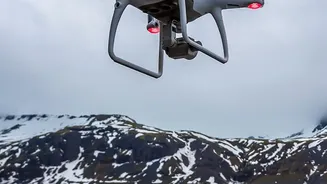
Since 2001, a team of expert surveyors from France's Haute-Savoie region has made a pilgrimage to the summit every two years to get a precise reading. The expedition is a serious undertaking, requiring mountaineering gear and nearly 30 kilograms of high-tech measuring equipment. At the summit, they use satellite positioning instruments (GPS) to pinpoint the highest point of the snow. They also employ ground-penetrating radar to probe the depth of the ice and locate the rocky summit beneath, and use drones to build detailed 3D models of the ice cap. This dedicated effort has created a valuable record of how the summit evolves over time.
Is Climate Change the Culprit?
It’s tempting to link every rise and fall directly to climate change, but scientists and surveyors are cautious. They stress that these annual or biennial fluctuations in summit height are primarily due to short-term weather. An increase in height doesn't necessarily mean the mountain's overall ice mass is growing. In fact, the broader trend for Alpine glaciers is one of significant retreat and melting due to rising global temperatures. Researchers note that the summit of Mont Blanc is so high and cold that its ice rarely melts significantly. The changes measured at the very top are more a story about weather dynamics, while the melting seen at lower elevations on the mountain is a clearer signal of long-term climate impact.