




What Exactly Is Neroli Oil?
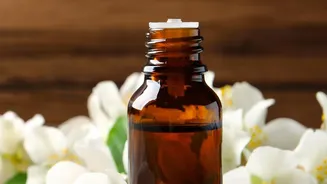
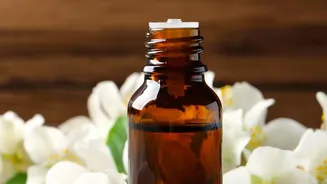
Neroli oil is a precious essential oil extracted from the delicate white blossoms of the bitter orange tree, scientifically known as Citrus aurantium amara. With a complex scent that is sweet, honeyed, and slightly metallic with green and spicy notes,
it has a rich history as a luxury fragrance. Its name is famously traced back to 17th-century Italy and Anne Marie Orsini, the Princess of Nerola. She loved the scent so much that she used it to perfume her gloves and bathwater, popularizing it among European nobility. Before its royal endorsement, the oil was used in ancient Egypt and Rome for its healing and calming properties. Today, this historic essence has found a new purpose in the world of skincare.
From Blossom to Bottle
The journey from flower to facial oil is a labour-intensive one, which explains its high price point. The blossoms of the bitter orange tree are hand-picked in late April and early May. To produce just one quart of neroli oil, it can take up to a ton of these delicate flowers. The oil is extracted through steam distillation, a process where steam is passed through the blossoms to release their aromatic compounds. This vapor is then cooled, separating the potent essential oil from the water. This method ensures a high-purity oil that captures the flower's most beneficial properties. The same tree also gives us bitter orange oil from the fruit peel and petitgrain oil from the leaves, but neroli, from the flower, remains the most prized for its unique aroma and skin benefits.
The Soothing and Clarifying Skin Benefits
So, what does this luxurious oil actually do for your face? Its benefits are multifaceted, making it suitable for various skin types and concerns. One of its key strengths is its ability to balance skin. Whether your skin is oily or dry, neroli oil helps regulate sebum production without causing dryness, making it a great choice for combination skin. It’s also packed with antimicrobial and anti-inflammatory properties. This makes it effective at managing acne-causing bacteria and reducing the redness and irritation associated with breakouts. For those concerned with signs of aging, neroli oil offers antioxidant protection to help shield the skin from environmental stressors and free radicals. Several studies and sources suggest it can help stimulate skin cell regeneration, which may improve skin elasticity and reduce the appearance of fine lines, scars, and dark spots over time.
How to Weave Neroli into Your Routine
Incorporating neroli oil into your skincare routine is straightforward, as it's found in a wide range of products. You can find it in facial serums, moisturisers, cleansers, and mists. Because essential oils are highly concentrated, you should never apply pure neroli oil directly to your skin. It must be diluted in a carrier oil (like jojoba or almond oil) or formulated into a finished product. For a targeted treatment, a diluted drop can be applied to blemishes. For all-over benefits, look for facial oils or serums where neroli is a key ingredient. A few drops pressed into the skin after cleansing can provide hydration and a calming effect. You can also add a drop to your favourite face mask for an extra soothing boost. Always perform a patch test on a small area of skin before trying any new product to check for sensitivity.
A Note of Caution
While neroli oil is generally safe for most skin types, including sensitive skin, there are a few things to keep in mind. Some sources suggest that, like many citrus oils, neroli may have photosensitive properties, meaning it could make your skin more sensitive to the sun. However, other experts note that because it is steam-distilled from the flower rather than cold-pressed from the peel, it is not phototoxic. To be safe, it's wise to apply products containing neroli oil at night or to ensure you are using broad-spectrum sunscreen during the day. Allergic reactions are possible, though infrequent, so the initial patch test is crucial. When purchasing, look for high-quality, pure neroli oil from reputable brands, as cheaper products may be diluted with synthetic fragrances that can cause irritation and lack therapeutic benefits.