



Understanding the Oily Scalp, Dry Ends Cycle
Many people in India grow up with the tradition of regular hair oiling, a ritual cherished for its nourishing benefits. However, not all hair types respond the same way. If you have an oily scalp, you’re likely familiar with the frustration of roots that
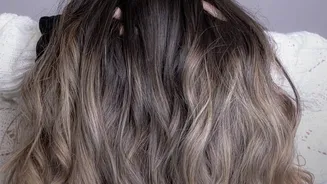
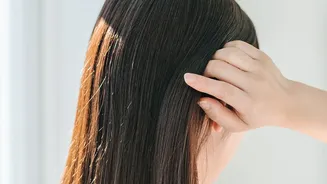
look flat and greasy while your lengths feel brittle and frizzy. This happens because the sebaceous glands on your scalp are producing an excess of natural oil, or sebum. While sebum is essential for keeping the scalp and hair healthy, too much of it can weigh down the roots. Simultaneously, this natural oil often doesn't travel down the hair shaft effectively, especially if your hair is long, wavy, or curly, leaving the ends dehydrated and prone to breakage. Applying more oil directly to an already oily scalp can sometimes worsen the problem by clogging follicles or contributing to buildup.
The Targeted Solution: Oiling the Lengths Only
Instead of a full-scalp application, focusing the oil only on the mid-lengths and ends of your hair offers a targeted approach. This technique allows you to deliver much-needed hydration and protection exactly where it's required—on the older, drier parts of your hair. By avoiding the scalp, you prevent adding unnecessary oil to the roots, keeping them feeling lighter and cleaner for longer. This method effectively treats two different problems at once: it seals moisture into the hair cuticle, reduces frizz, and helps prevent split ends, all without stimulating more oil production at the scalp. Think of it as a modern tweak to a timeless practice, adapting it to your specific hair needs for the best of both worlds.
Your Step-by-Step Guide
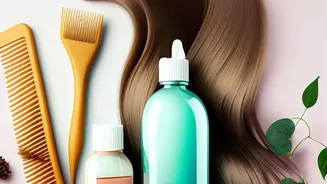
Mastering this technique is simple and can easily be incorporated into your pre-wash routine. First, choose a suitable oil. Lightweight oils are ideal for this method. Start with dry or slightly damp hair. Pour a small amount of oil into your palms and warm it up by rubbing your hands together. This helps ensure a smoother, more even application. Begin applying the oil from the middle of your hair down to the tips, an area that is typically the driest. Gently smooth the oil over your strands, ensuring they are lightly coated but not saturated. You can use your fingers or a wide-tooth comb to distribute it evenly. Avoid the scalp and root area entirely. Let the oil sit for at least 30 minutes to an hour before you shampoo to allow it to penetrate the hair shaft. When you wash, focus the shampoo on your scalp to cleanse away excess sebum and let the lather run down the lengths to gently clean the oiled portions.
Choosing the Right Oil
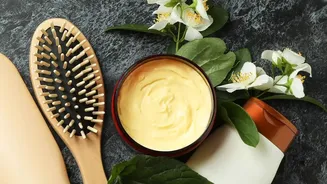
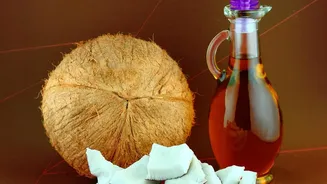
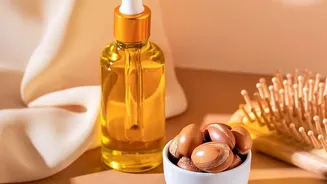
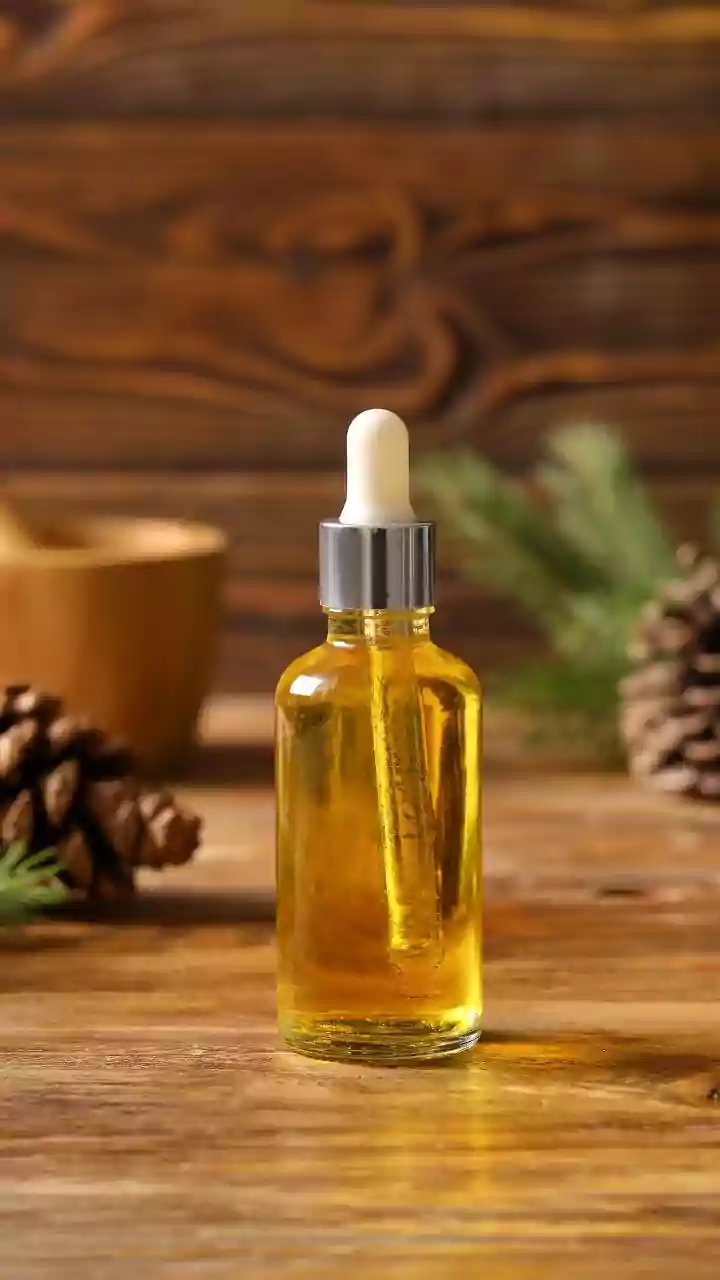
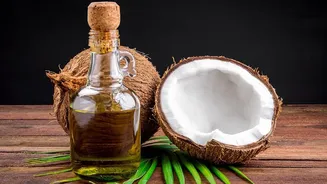
The type of oil you use is crucial for success, especially if your hair is easily weighed down. Heavy oils like castor oil or even coconut oil (for some) can be too much for fine or oily hair types, even on the lengths. Instead, opt for lightweight, fast-absorbing oils. Jojoba oil is an excellent choice because its structure is very similar to the scalp’s natural sebum, helping to balance moisture without being greasy. Argan oil, often called 'liquid gold', is another fantastic option, known for adding shine and taming frizz without a heavy residue. Other great choices include grapeseed oil, which is exceptionally light, and sweet almond oil, which is nourishing yet absorbs quickly. These oils provide protection and shine while respecting the delicate balance of your hair.