



The Refined Carb Culprit
Not all carbohydrates are created equal. Refined carbs are grains that have been stripped of their fiber, bran, and essential nutrients during processing. Think of foods made with white flour (like white bread, pasta, and pastries), white rice, and many
sugary breakfast cereals. While they provide a quick source of energy, they lack the staying power of their whole-grain counterparts like brown rice, quinoa, and oats. A common pitfall in vegetarian eating is relying too heavily on these refined options as the base of a meal, such as a simple pasta with tomato sauce or a white rice stir-fry, which can set the stage for a quick return of hunger.
The Blood Sugar Rollercoaster
When you consume refined carbohydrates, your body digests them very quickly, leading to a rapid spike in blood sugar. In response, your pancreas releases a surge of insulin to help move this sugar from your bloodstream into your cells for energy. The problem is, this insulin rush can be too efficient, causing your blood sugar to drop just as quickly as it rose. This sudden dip, often called a 'crash', signals to your brain that you need more fuel, triggering feelings of hunger and cravings, often for more carbs. This creates a frustrating cycle of eating but never feeling truly satisfied for long.
The Missing Satiety Trio: Protein, Fiber, and Fat
True, lasting fullness—what experts call satiety—is best achieved with a balanced meal that includes three key components: protein, fiber, and healthy fats. Protein is widely considered the most satiating macronutrient, helping to regulate appetite and keep you feeling full. Fiber, abundant in whole grains, vegetables, fruits, and legumes, adds bulk to meals and slows digestion. Healthy fats, found in foods like avocados, nuts, and seeds, also slow stomach emptying and contribute to a sense of satisfaction. A vegetarian meal centered on refined carbs often lacks sufficient amounts of this powerful trio, leading to that all-too-familiar empty feeling shortly after eating.
Building a Better, More Filling Veggie Plate
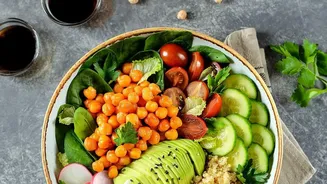
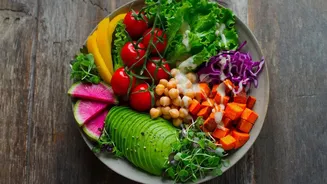
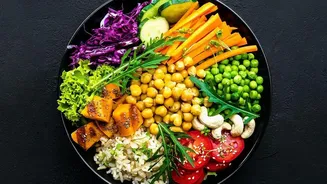
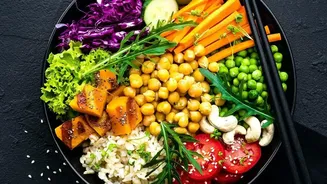
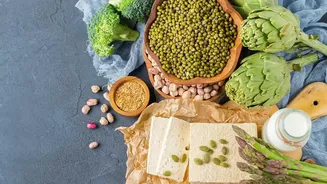
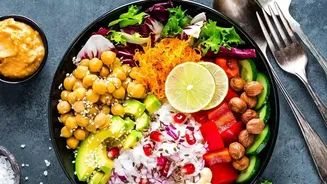
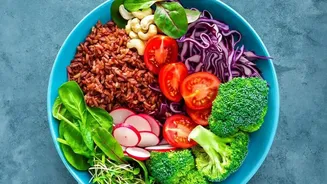
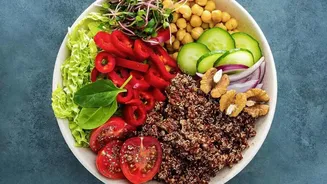
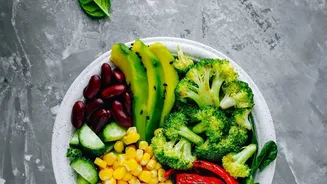
The solution isn't to abandon vegetarian meals, but to build them more thoughtfully. The key is balance. A good rule of thumb is to fill half your plate with non-starchy vegetables, a quarter with a quality protein source, and a quarter with a complex carbohydrate or whole grain. For example, instead of plain white pasta, try whole-wheat pasta tossed with roasted vegetables and chickpeas. Instead of a bowl of just white rice, make it a base for a colourful grain bowl with black beans, avocado, and plenty of greens. Including plant-based proteins like lentils, beans, tofu, tempeh, or paneer is crucial. These additions not only provide essential nutrients but also dramatically increase the meal's ability to keep you full and energized for hours.
Smart Swaps for Lasting Satisfaction
Making a few simple swaps can transform a fleetingly full meal into a satisfying one. Trade white bread for whole-grain or sprouted bread. Opt for brown rice, quinoa, or millets instead of white rice. When you do have pasta or rice, make sure to pair it with a robust source of protein and fiber to slow down sugar absorption. Don't be afraid to add healthy fats; a sprinkle of nuts or seeds on a salad or a slice of avocado on toast can make a world of difference in how long you feel full. By focusing on whole foods and balanced macronutrients, you can ensure your vegetarian meals are as satisfying as they are delicious.