



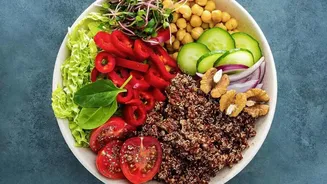
The Protein Power-Up
The most common culprit behind a less-than-filling meal is a lack of protein. Protein is the superstar of satiety; it takes longer to digest, which helps stabilise blood sugar levels and sends signals to your brain that you are full. Many people think
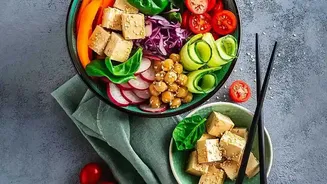
a vegetarian meal is just a plate of vegetables, but without a solid protein source, you're likely to feel hungry again quickly. Aim to make protein a cornerstone of every meal. Excellent plant-based sources include lentils, chickpeas, beans, tofu, tempeh, and edamame. Even dairy products like Greek yoghurt or paneer can provide a significant protein boost. A good rule of thumb is to dedicate at least a quarter of your plate to a protein-rich food.
Fibre is Your Friend
Fibre is another key player in the fullness game. It adds bulk to your meals and slows down digestion, which keeps you feeling satisfied for longer. Soluble fibre, in particular, forms a gel-like substance in your digestive system, enhancing the feeling of fullness. High-fibre foods often require more chewing, which can also contribute to satiety by giving your brain more time to register that you're eating. Luckily, a vegetarian diet is naturally rich in fibre if you focus on whole foods. Load up on vegetables, fruits, whole grains like brown rice and quinoa, and legumes like beans and lentils, which are powerhouses of both protein and fibre.
Don't Fear Healthy Fats
Fat has been unfairly villainised in the past, but healthy fats are crucial for a satisfying meal. Fat slows down the rate at which your stomach empties, contributing to a lasting feeling of fullness. Including sources of unsaturated fats will not only make your food taste better but will also help keep hunger at bay. Think about adding a drizzle of olive oil to your salad, slicing avocado onto your toast, or sprinkling a handful of nuts and seeds over your oatmeal or curry. Almonds, walnuts, and chia seeds are excellent choices that provide fat, fibre, and even some protein.
Rethink Your Carbohydrates
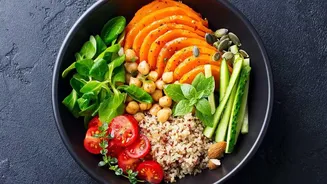
Not all carbohydrates are created equal. A giant plate of plain pasta or a meal heavy on white bread might feel filling at first, but it can lead to a rapid spike and subsequent crash in your blood sugar, leaving you hungry and lethargic soon after. These are simple, refined carbs. Instead, focus on complex carbohydrates found in whole grains, starchy vegetables, and legumes. Foods like brown rice, quinoa, whole-wheat bread, sweet potatoes, and barley are digested more slowly, providing a steady release of energy and contributing to sustained fullness. Combining these complex carbs with protein and fat creates a trifecta for a truly satisfying meal.
Mind the Meal's Volume and Density
Sometimes a meal can look large but be low in energy and essential nutrients. A huge salad made of only lettuce, cucumber, and tomatoes is a classic example. It has high volume but low nutrient density. While it's great to eat plenty of non-starchy vegetables, they can't be the only thing on your plate. Ensure your meal is not just physically large but also nutritionally robust. If you're new to vegetarian eating, you might find you need to eat larger portions than you're used to, especially of things like beans and grains, to meet your energy needs. Don't be afraid to have a second helping if you're still feeling hungry; your body is giving you important information.