




Why Go Soft? The Unique Appeal of Textile Art
While paintings and prints bring colour and form, textile art introduces something fundamentally different: texture. The woven, knotted, or stitched surfaces of a large fabric piece interact with light in a way that flat art cannot, creating shifting
shadows and a sense of depth throughout the day. This tactile quality does more than just please the eye; it fundamentally changes a room's atmosphere. Soft materials naturally absorb sound, reducing echo and creating a quieter, more serene environment. They evoke a feeling of comfort and warmth, making spaces like living rooms and bedrooms feel more inviting and cocoon-like. A large textile hanging can serve as a powerful focal point, anchoring a room's design and adding a layer of handmade personality that mass-produced decor often lacks.
Finding Your Fabric: A Guide to Popular Options
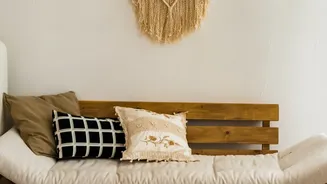
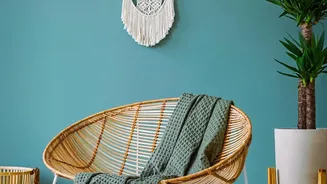
The term 'oversized textile' covers a rich variety of options, each with its own aesthetic. Classic tapestries, featuring everything from botanical prints to abstract motifs, can add a sense of history or modern graphic punch. For a bohemian or coastal vibe, hand-knotted macrame wall hangings bring sculptural, geometric patterns into a space. Don't overlook vintage or handmade quilts; their patchwork designs tell a story and add a comforting, nostalgic feel. Even a lightweight, beautifully patterned rug can be taken off the floor and used as a stunning wall feature, especially if it has fringe or a unique weave to add character. Other options include embroidered panels for a touch of elegance or even simple, high-quality fabrics like wool or silk stretched over a frame for a minimalist take.
Mastering Scale and Placement
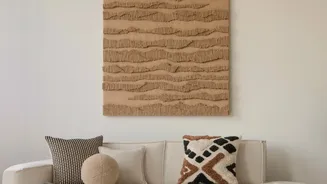
The word 'oversized' is key. A large-scale textile makes a confident statement, so choosing the right spot is crucial for maximum impact. A common and effective placement is on the large, empty wall above a sofa or bed, where the textile can act as a visual anchor for the room's main furniture. In rooms with high ceilings, a vertically oriented piece can draw the eye upward and create a sense of balance. Conversely, a wide, horizontal textile can make a narrow room or hallway feel more expansive. When selecting a piece, consider the scale of the pattern itself—large, bold patterns work best on bigger walls where the design has room to breathe, while smaller, more intricate patterns can be appreciated up close in more intimate spaces. Before you commit, you can even use painter's tape to outline the dimensions on your wall to visualize its presence in the space.
The Practicalities of Hanging Your Textile
Hanging a large piece of fabric might seem daunting, but several straightforward methods exist. For a classic, polished look, insert a wooden dowel or a curtain rod through a sleeve sewn onto the back of the textile and mount it on brackets. This ensures the weight is distributed evenly, which is especially important for heavier pieces like rugs or dense quilts. For a more casual, rustic display, you can hang the textile directly from a decorative rod with clips. For lighter fabrics, simple solutions like adhesive strips or even upholstery tacks can work. A professional method that ensures even distribution of weight involves attaching a strip of Velcro to the wall and its corresponding piece to a fabric strip sewn onto the textile, creating a seamless look without any visible hardware. Always choose your hanging method based on the weight of the textile and the type of wall you have.