




Why A Protein-Powered Slice?
Before we build our pizza, let's understand the 'why'. Protein is a crucial macronutrient that helps in building and repairing tissues, including muscle. Meals higher in protein can also increase feelings of fullness, helping to prevent overeating and keeping
you satisfied for longer. By increasing the protein content of your pizza, you are essentially creating a more balanced meal that can support muscle maintenance, help manage blood sugar levels by slowing carbohydrate digestion, and even give your metabolism a slight boost. It turns a simple cheat meal into a functional and fueling dinner.
It All Starts with the Base
The foundation of any great pizza is its crust, and this is our first and best opportunity to pack in extra protein. While traditional flour dough is delicious, several alternatives offer a significant protein advantage. One popular method involves making a simple, no-yeast dough using Greek yogurt or cottage cheese mixed with flour. Both options add a considerable amount of protein and moisture. A cup of Greek yogurt or cottage cheese can be mixed with self-rising flour to form a quick, pliable dough that bakes up beautifully. For a gluten-free approach, crusts made from blended cottage cheese, eggs, and almond flour or even protein powder create a sturdy, flavourful base that's incredibly high in protein. These crusts are often blended into a batter, pre-baked until firm, and then topped and baked again.
Smarter Sauces and Cheeses
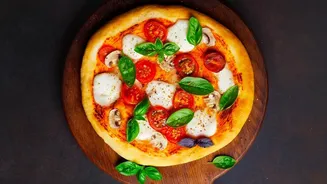
The layers between the crust and toppings can also be a source of protein. While a standard tomato sauce is perfectly fine, you can get creative. A pesto made with nuts and seeds offers a protein and healthy fat boost. A white sauce base made from blended cottage cheese or Greek yogurt can also increase the protein content significantly while adding a creamy texture. When it comes to cheese, not all are created equal in the protein department. While classic mozzarella is a must for many, consider adding other cheeses for a protein punch. Parmesan and low-fat paneer are excellent sources. Crumbled cottage cheese can be added as a topping, providing creaminess and an impressive protein-to-calorie ratio. Some recipes even incorporate mozzarella directly into the crust for extra flavour and protein.
Power-Packed Toppings
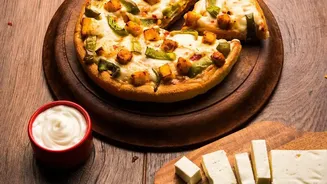
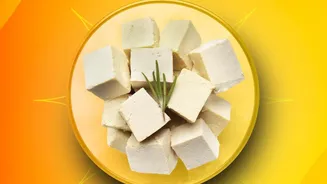
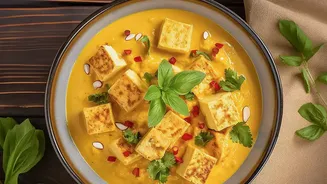
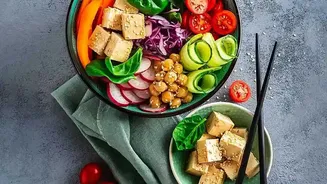
Toppings are the most straightforward way to add protein. For meat-eaters, lean options like grilled chicken breast, turkey sausage, or even lean ground beef are fantastic choices. An egg cracked on top of the pizza before baking is another popular and easy protein addition. For vegetarians and vegans, the options are just as plentiful. Cubed paneer or firm tofu, which can be marinated in herbs and spices, add substantial protein and a satisfying texture. Legumes like roasted chickpeas or black beans can also be scattered on top for added protein and fibre. Don't forget high-protein vegetables like spinach and mushrooms, and a sprinkle of nutritional yeast can add a cheesy, umami flavour along with a surprising amount of protein.
Assembling Your Protein Pizza
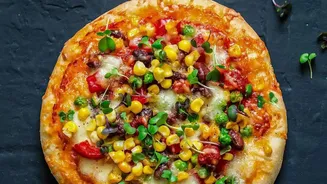
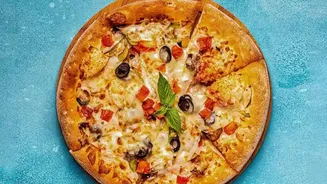
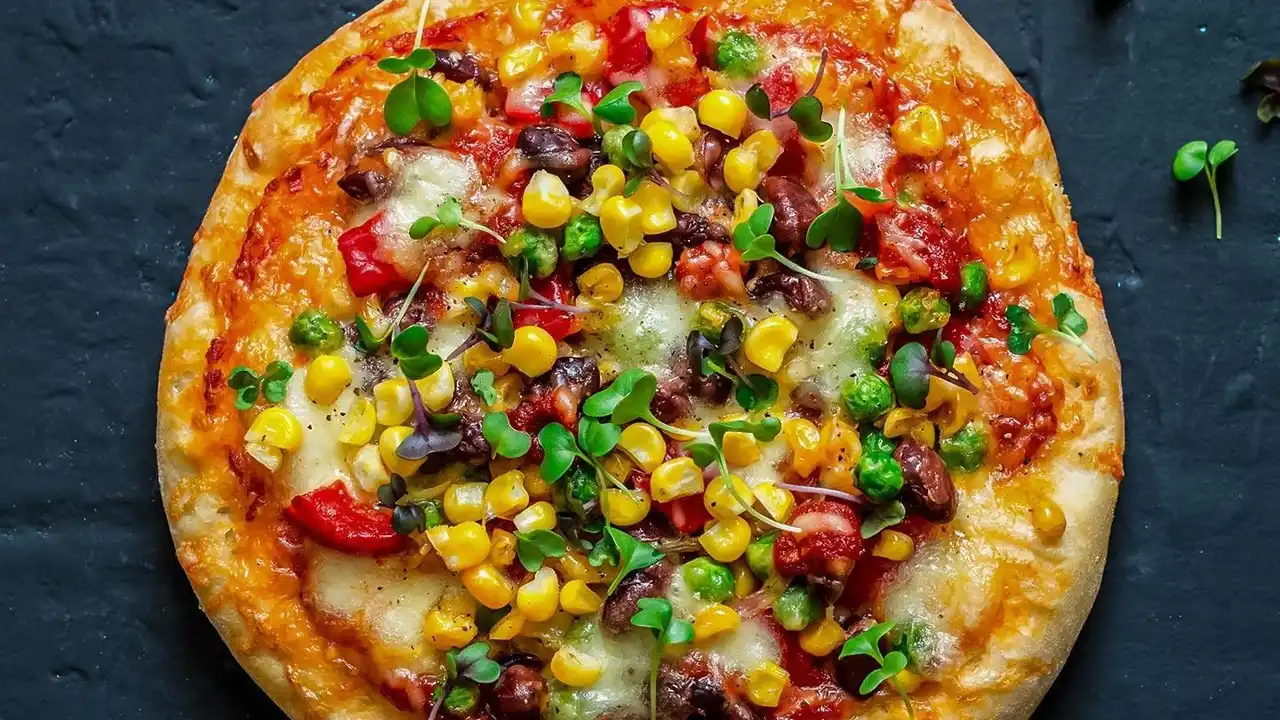
Let's put theory into practice. Imagine a pizza built for performance and flavour. Start with a dough made from Greek yogurt and whole wheat flour for a base rich in protein and fibre. Spread a thin layer of your favourite low-sugar marinara sauce. For toppings, add a generous layer of grilled, chopped chicken or seasoned paneer cubes. Scatter some sliced bell peppers and onions for crunch and vitamins. Instead of just mozzarella, use a blend that includes shredded part-skim mozzarella and a bit of grated Parmesan for a bigger flavour and protein impact. Bake until the crust is golden and the cheese is bubbly. The result is a delicious, guilt-free pizza that delivers on both taste and nutrition, proving that you don't have to sacrifice your favourites to eat well.