



Understanding Your Core
Before diving into the comparison, it's helpful to understand what your 'core' really is. It isn't just the six-pack muscles (rectus abdominis) you see in magazines. The core is a complex series of muscles, including the obliques, lower back, and deep
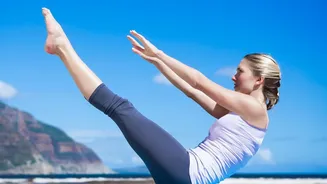
transverse abdominis, that wraps around your trunk like a corset. A strong core is the foundation of almost every movement you make, providing stability, protecting your spine from injury, and improving your posture and balance in daily life. A well-conditioned core is essential for both athletic performance and overall health.
Roller Skating: A Dynamic Balancing Act
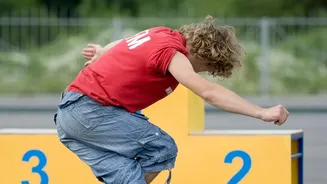
Roller skating is a prime example of a dynamic workout. From the moment you strap on your skates, your core is fired up and working constantly to keep you upright. Every push, turn, and slight adjustment to your balance forces your abdominal and lower-back muscles to engage and react. This isn't a static hold like a plank; it's a continuous, fluid challenge. As you glide, your core works to stabilize your pelvis and transfer power from your legs, making skating an incredibly effective, and fun, way to build functional core strength. The constant motion ensures your muscles are always on alert, improving coordination and proprioception—your body's ability to sense its position in space.
Tai Chi: Strength Through Stability
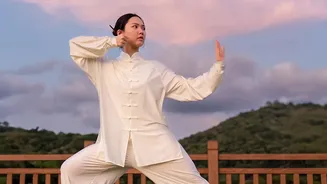
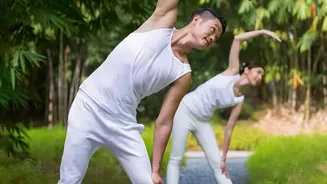
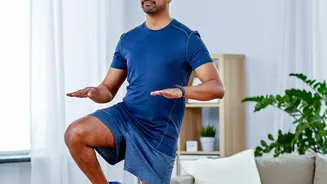
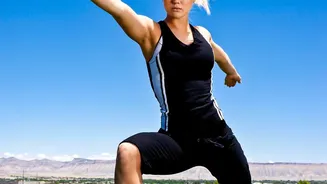
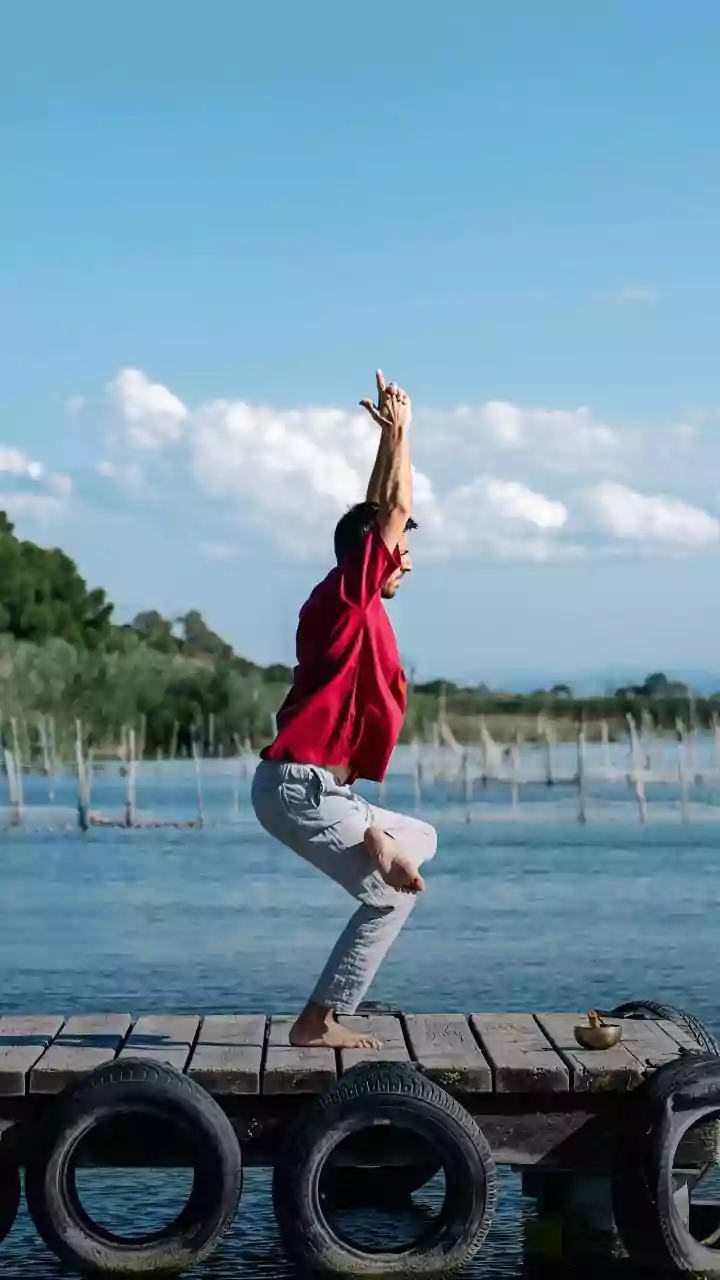
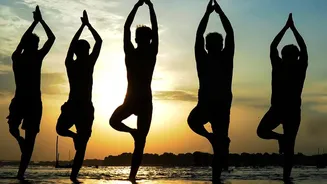
Often described as 'meditation in motion', Tai Chi builds core strength from a different angle. This ancient practice involves slow, deliberate, and flowing movements that require immense control and stability. As you shift your weight and move through the forms, you are training the deep, stabilizing muscles of your core to maintain posture and balance. The focus on slow, controlled breathing also helps engage the deepest abdominal muscles, creating what some practitioners call a protective 'armor' for your midsection. While it may look gentle, holding these sustained postures builds significant endurance and strength in the core, back, and lower body.
Head-to-Head: Intensity and Impact
When it comes to cardiovascular intensity, roller skating generally takes the lead. An hour of moderate skating can burn between 300 and 600 calories, making it an excellent aerobic exercise comparable to jogging but with up to 50% less impact on the joints. This makes it a great option for those seeking a higher-energy workout that's still kind to their knees and hips. Tai Chi, on the other hand, is a low-intensity, low-impact practice. While its calorie burn is lower, its benefits for stress reduction, flexibility, and deliberate muscle control are profound. It is exceptionally accessible to people of all fitness levels and ages, particularly those for whom high-impact activities are not suitable.
Beyond the Core: Holistic Benefits
Both activities offer benefits that extend beyond core work. Roller skating is a fantastic workout for the entire lower body, toning the glutes, quads, hamstrings, and calves with every stride. It's also a highly social activity that is known to be a great mood booster. Tai Chi is renowned for its mental and meditative benefits, helping to reduce stress and improve mental focus and overall body awareness. It is proven to enhance balance and flexibility, which is particularly important for preventing falls as we age. Regular practice can be as effective as other forms of physical therapy for improving fitness.
Which Is Right for Your Fitness Goals?
Choosing between roller skating and Tai Chi depends entirely on your personal preferences and fitness objectives. If you're looking for a high-energy, fun, and dynamic cardio workout that builds reactive core strength while gliding to music, roller skating is an excellent choice. It’s perfect for those who enjoy a sense of speed and freedom. If your goal is to build deep, stabilizing core strength through a mindful, low-impact practice that also calms the mind and enhances balance and flexibility, then Tai Chi is the ideal path. It suits those seeking a more meditative and deliberate form of exercise that connects mind and body.