

A Global Culinary Snapshot
In its latest list of the '100 Best Cuisines in the World', the online food encyclopedia TasteAtlas ranked India at number 13, with a score of 4.43 out of 5. The annual list, which often sparks lively debate among food lovers, placed Italy, Greece, and
Peru in the top three spots. The ranking is based on audience ratings of dishes and food products from around the globe. For the 2025/2026 awards, the platform analyzed hundreds of thousands of verified ratings to create its list. India's position places it ahead of notable cuisines like American, Vietnamese, and South Korean, signaling its firm place in the global food conversation. The ranking moves beyond the simplistic foreign perception of Indian food as just 'spicy' or 'curry', acknowledging the depth and layers that define the nation's palate.
What the World Loves About Indian Food
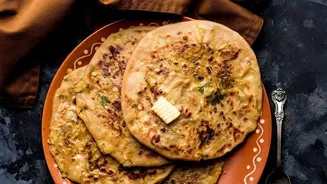
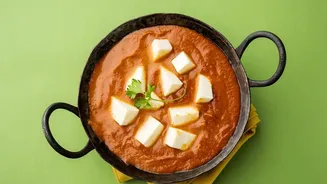
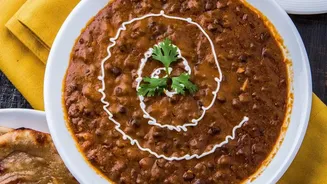
The TasteAtlas list highlights specific dishes that propelled India's ranking. Unsurprisingly, Indian breads are a global favourite, with Butter Garlic Naan and Amritsari Kulcha earning top ratings. Classic main courses like Murgh Makhani (Butter Chicken) and Hyderabadi Biryani also feature as must-try dishes, solidifying their status as international ambassadors of Indian flavour. Interestingly, it's not just complex dishes that caught the world's attention. Garam Masala, the foundational spice blend found in countless Indian kitchens, was also highlighted as a key component of the cuisine's appeal. Other high-scoring items included Parotta, Masala Dosa, and Chole Bhature, showcasing a mix of North and South Indian staples that have found a global audience.
The Science and Subjectivity of Rankings
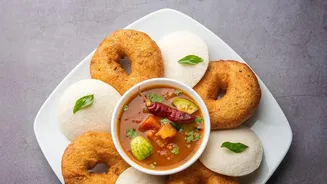
So, how are these rankings decided? TasteAtlas functions as a crowd-sourced database, cataloging over 15,000 local dishes and ingredients. Users from around the world rate these items, and the platform then calculates an average score for each country's best-rated dishes. To prevent manipulation, the system uses mechanisms to filter out bot activity and nationalist or biased voting, giving more weight to ratings from users deemed knowledgeable. However, like any ranking based on popular opinion, it's not without its critics. The methodology can sometimes favour cuisines that are more widely known or accessible globally. These lists often spark debate and even outrage on social media, as was the case when a recent TasteAtlas list named Upma and Jal Jeera among the 'worst-rated' Indian foods, a verdict many Indians found baffling.
Beyond the List: A Universe of Flavour
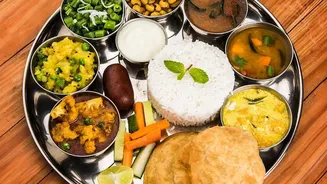
While a number 13 ranking is respectable, it barely scratches the surface of India's culinary ocean. The list itself even hints at this, naming several distinct Indian regions like West Bengal, Maharashtra, and Kerala for their unique food cultures. A single number cannot capture the sheer variety that changes every few hundred kilometres—from the intricate thalis of Gujarat and the seafood delicacies of the Konkan coast to the rich wazwan of Kashmir and the subtle flavours of the Northeast. The world may be familiar with Butter Chicken and Naan, but the true depth of Indian food lies in regional specialties like Goan Vindaloo, Rajasthani Dal Baati Churma, and Tamil Nadu's Chettinad preparations. These rankings are a starting point, an introduction for a global audience, but the real story of Indian food is written in its countless regional kitchens and bustling street food stalls.