

What Exactly Is a Grass Pea?
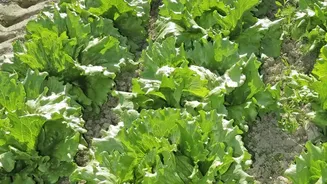
Known scientifically as Lathyrus sativus, the grass pea is a hardy legume that has been cultivated for over 8,000 years. In India, it's widely known as khesari dal and resembles other common pulses like chana or arhar dal. It has a long history across
South Asia, the Mediterranean, and parts of Africa, often serving as a dietary staple. Historically, it has been both a celebrated source of sustenance and a crop of controversy, regarded by some as a poor man's food due to its ability to grow where other crops fail. This very resilience, however, is what makes it so interesting today.
A Profile in Climate Resilience
The grass pea's main claim to fame is its incredible toughness. It is exceptionally tolerant to environmental stresses like drought, flooding, and salinity. While other major crops might wither during a dry spell or get washed out by heavy rains, the grass pea often survives, thanks to its deep and robust root system. Furthermore, it's a nitrogen-fixing plant, which means it enriches the soil it grows in, reducing the need for synthetic fertilisers. This combination of traits makes it a prime candidate for ensuring food security in a world facing increasingly unpredictable weather patterns.
A Nutritional Powerhouse
Beyond its agricultural resilience, the grass pea boasts an impressive nutritional profile. It is packed with plant-based protein, with contents ranging from 28% to 34%, which is significantly higher than many other legumes like chickpeas. It's also a good source of fibre, essential minerals like iron and zinc, and a range of B vitamins. This nutrient density makes it an excellent tool for combating malnutrition and a valuable component of a balanced vegetarian or vegan diet. In fact, its protein has been found to have a digestibility of around 90%.
The Controversy and The Cure
The primary reason for the grass pea's controversial past is its association with a neurological disorder called neurolathyrism. This condition, which causes irreversible paralysis of the lower limbs, results from the overconsumption of grass pea as a sole or primary food source over several months. The culprit is a neurotoxin called β-ODAP. This risk is highest during times of famine, when other foods are scarce and populations become heavily reliant on this hardy crop. However, it's crucial to understand that neurolathyrism is rare when grass pea is part of a varied diet. Furthermore, science has provided solutions. Traditional methods like soaking the seeds in hot water and discarding the water can remove up to 90% of the toxin. More importantly, decades of agricultural research have led to the development of new, low-toxin (<0.1% ODAP) varieties that are safe for human consumption.
From Pariah to Plate
Thanks to these scientific breakthroughs, the grass pea is being rehabilitated. In India, where its sale and cultivation were once restricted in some areas due to health concerns, there's a renewed push to promote these safe, low-toxin varieties. Researchers and agricultural bodies are working to disseminate these improved seeds to farmers, ensuring they can reap the benefits of this climate-smart crop without the associated risks. The focus is now on re-educating the public and reintroducing this nutritious legume as a safe, sustainable, and valuable addition to the modern diet, not just as a survival food, but as a proactive choice for a healthy lifestyle and planet.