

The Half-Batch Philosophy
The term 'half-batch' sounds simple—just cut a recipe in half. But its true power lies in the mindset behind it. Instead of automatically making a recipe designed for four or six, you consciously decide to cook a smaller amount that suits your needs.
It's a philosophy of intention. It means asking yourself, "How much do I really want to eat?" and "Will I use these leftovers?" This approach transforms cooking from a routine of following instructions to a thoughtful act of self-care. It’s about reclaiming your kitchen from the tyranny of the family-sized recipe and making it work for your life, not the other way around.
Scaling Recipes Down Smartly
While many recipes can be halved, it's not always a straightforward division. Soups, stews, grains, and simple sauces are generally easy to scale down. However, some recipes present a challenge. Baking, for instance, is a science of ratios; simply halving leavening agents like baking soda can lead to disappointing results. And what about half an egg? The solution is to whisk a whole egg, then use half of the liquid volume (about two tablespoons). Using a kitchen scale for precision is invaluable. For tricky recipes, it might be better to make the full batch and freeze portions rather than risk a kitchen fail.
Build a Solo-Friendly Pantry
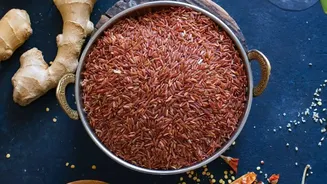
A pantry stocked for a family of four is a recipe for waste when you live alone. The key is to think small and versatile. Instead of buying large pre-packaged bags of produce, shop at places that allow you to buy items individually. Bulk bins are your best friend for grains, nuts, and spices, letting you buy just the few tablespoons you need for a new recipe. Keep versatile staples on hand: eggs, pasta, rice, canned beans, and tinned tomatoes can form the base of countless quick meals. When you do buy meat or fish, ask the butcher or fishmonger for the exact single portion you need.
The Freezer Is Your Co-Chef
For the solo cook, the freezer isn't just for forgotten leftovers; it's an essential planning tool. Whenever you make a freezable meal like chili, soup, or curry, intentionally make a double or full batch and immediately freeze the extra in single-serving portions. This is 'planned-over' cooking. Use muffin tins or silicone molds to freeze perfect portions of pasta sauce or broth. You can also freeze individual raw items like chicken breasts, burger patties, or even balls of cookie dough, ready to be cooked from frozen whenever the craving strikes. Label everything with the date and contents to create a library of future meals.
Embrace Component Cooking
Instead of always thinking in terms of full, plated meals, try 'component cooking'. This involves preparing individual ingredients ahead of time that can be mixed and matched throughout the week. On a Sunday afternoon, you might roast a tray of vegetables, grill a few chicken breasts, and cook a batch of quinoa. During the week, these components can be quickly assembled into a variety of dishes: a quinoa bowl with roasted vegetables for lunch, shredded chicken tacos for dinner, or a quick stir-fry. This method provides variety, reduces daily cooking time, and prevents the boredom that often comes with eating the same leftover meal for three days straight.