





A Perfect Storm of Pressures
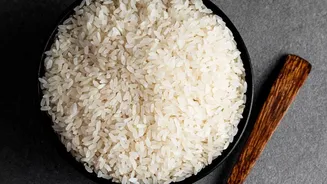
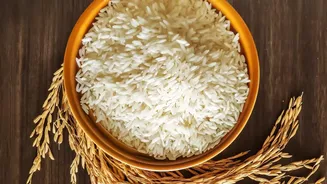
Indian consumers are currently facing rising prices for both basmati and non-basmati rice varieties, with costs increasing by 15-25% in the first quarter of the 2026-27 financial year. This surge isn't due to a single cause but a combination of factors.
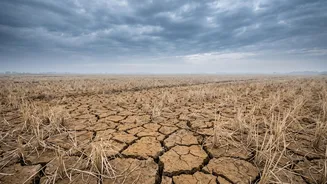
Domestically, a weaker-than-normal monsoon has cast a shadow over the summer Kharif crop, with August rainfall down by 16% and September also predicted to be below average. This has led traders to revise production estimates downwards, tightening supply and pushing export prices to a one-year high.
Conflict's Ripple Effect on Your Plate
A major, yet less visible, driver of rising costs is the ongoing US-Iran conflict. Tensions have disrupted shipping through the Strait of Hormuz, a critical channel for global trade. This has a direct impact on India, which relies heavily on imports of fertilisers and the raw materials to produce them, many of which pass through this route. The conflict has caused global fertiliser prices to spike, with urea nearly doubling in price between February and April 2026. Higher fertiliser costs directly translate to higher cultivation expenses for Indian farmers, a cost that is eventually passed on to the consumer.
Climate Change Joins the Fray
The term 'conflict' increasingly includes humanity's struggle with climate change. The 2026 monsoon is being influenced by an emerging El Niño, a climate pattern historically linked to reduced rainfall in India. Forecasters noted an 84% probability of below-normal or deficient rainfall for the season. This erratic weather isn't just an Indian problem. Other major rice-producing nations in Asia, like Thailand and Vietnam, are also facing production risks due to weather concerns, which affects the overall global supply and keeps prices firm worldwide. This global squeeze means there is less of a buffer to cushion against local production shortfalls.
The Government's Balancing Act
In response to these pressures, the Indian government is performing a delicate balancing act. While domestic stocks are currently considered adequate, authorities are closely monitoring the situation to ensure food security. To protect Indian consumers, the government can use tools like export restrictions, which limit the amount of rice sold abroad to ensure enough is available at home. However, India's export prices, even at their one-year high, remain significantly lower than those of competitors like Thailand and Vietnam, making Indian rice highly attractive to international buyers. Meanwhile, some state governments, like Telangana, are looking to boost exports as their production far exceeds local consumption, highlighting the complex regional dynamics at play.
What to Expect in the Coming Months
For the average household, this confluence of factors means that relief from high rice prices is unlikely in the immediate future. Traders expect prices to remain elevated at least until the new Kharif crop starts arriving in markets around October and November. The final output of this harvest, heavily dependent on the tail end of the monsoon, will be a critical factor. In the meantime, the increased cost of popular varieties like Sona Masoori, which has jumped from around ₹52 to ₹64 per kg, is putting tangible pressure on kitchen budgets across the country.