


The Art of Steaming in a Leaf
Patrani-style cooking is a classic Parsi technique that involves coating food in a flavourful chutney, wrapping it in a banana leaf, and steaming it. The most famous example is Patrani ni Macchi, where a fillet of fish, typically pomfret, is slathered
in a vibrant green paste of coconut, coriander, mint, and green chillies before being cooked. This method does more than just cook the food; it infuses it with a subtle, grassy aroma from the leaf while keeping the main ingredient incredibly moist and tender. The banana leaf acts as a natural, eco-friendly parcel that locks in moisture and flavour, resulting in a delicate and healthy dish that is gently steamed rather than fried or heavily curried.
Beyond the Traditional Fish
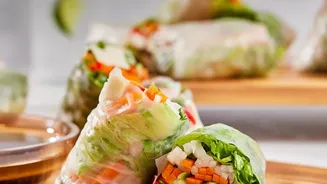
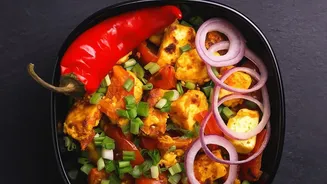
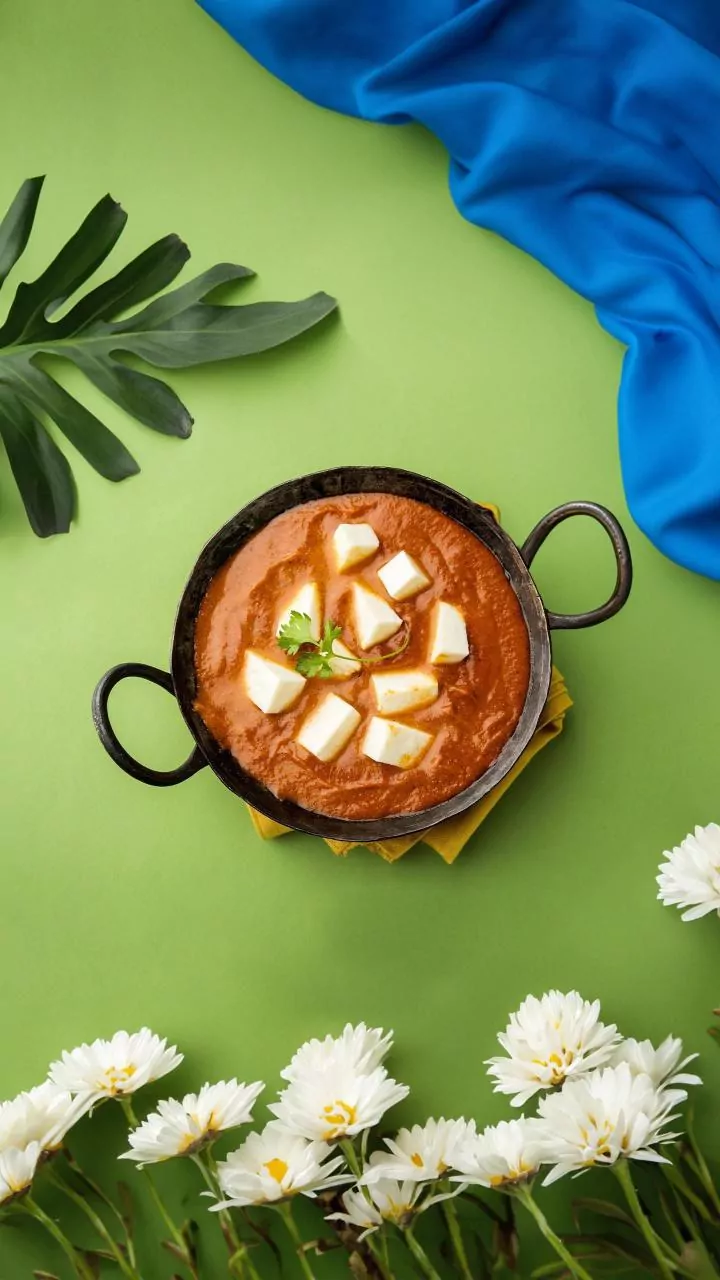
While fish is the star of the classic Parsi dish, the Patrani technique is wonderfully versatile. The same concept can be applied to a variety of ingredients, making it a perfect addition to any festive menu. For vegetarians, thick slices of paneer or mixed vegetables can be marinated in the same green chutney and steamed to perfection. Chicken fillets also work beautifully with this method. The key is the marinade, which provides all the flavour. This technique is not unique to Parsi cuisine; variations exist across India, like the Bengali 'Paturi' which often uses a mustard-based paste. By adopting this leaf-wrapping method, you add a touch of culinary sophistication that is both traditional and refreshingly light.
Celebrating with Heritage Grains
For centuries, India's diet was rich with a diverse array of grains long before wheat and rice became dominant. Millets like jowar (sorghum), bajra (pearl millet), and ragi (finger millet) were staples in different regions, from the bajra rotis of Rajasthan to the ragi mudde of Karnataka. These ancient grains are now making a well-deserved comeback, celebrated for their robust nutritional profiles—they are often gluten-free, high in fibre, and packed with minerals like iron and calcium. Incorporating them into an Independence Day feast is a nod to India’s agricultural heritage and a move towards more sustainable and diverse eating.
Weaving Grains into the Feast
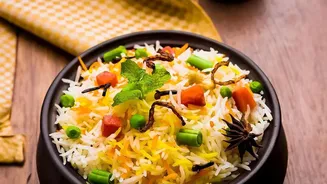
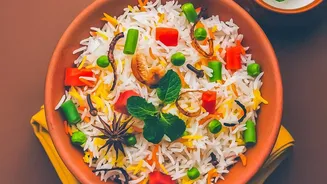
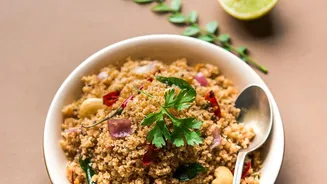
Integrating regional grains into your festive spread is easier than you might think. Instead of a standard rice pulao, consider making one with foxtail millet (kangni) or little millet (kutki), which cook up fluffy and light. You can serve crisp, nutty bajra rotis alongside your main dishes, offering a traditional alternative to naan or parathas. For appetisers, consider tikkis or cutlets made from amaranth (rajgira) or ragi flour. These grains not only add unique textures and earthy flavours to your meal but also tell a story of India’s vast culinary landscape, making your feast a true celebration of unity in diversity.