




Start with High-Quality Milk
The safety of your paneer begins with the milk you choose. While making paneer at home gives you control, this advantage is lost if the milk itself is contaminated. Using unpasteurised or raw milk significantly increases the risk of microbial contamination
from bacteria like Salmonella, E. coli, and Listeria. Even milk from a clean source can contain harmful bacteria. To ensure safety, always pasteurise raw milk by heating it to at least 63°C (145°F) for 30 minutes before you begin the curdling process. This step destroys most harmful pathogens. Also, the quality and composition of the milk, such as its fat content, affect the final texture and yield of the paneer, with full-fat milk generally producing a softer, better product.
Maintain Strict Kitchen Hygiene
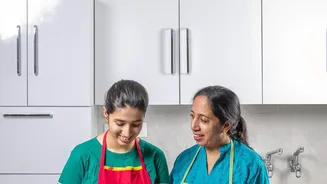
A clean environment is non-negotiable for safe cheesemaking. Bacteria can be introduced from various sources during the process, including your hands, utensils, and work surfaces. Before you start, thoroughly wash your hands with soap and water. All equipment—including the pot, stirring spoon, colander, and cheesecloth—must be sanitised. You can do this by boiling the equipment for at least five minutes or soaking it in a bleach-water solution. Using a fresh, clean cheesecloth for each batch is the best practice to avoid transferring microbes from previous uses. Remember, even if the milk is properly heated, the paneer can be re-contaminated if it comes into contact with unclean surfaces or hands.
Beware of Cross-Contamination
Cross-contamination is a common pitfall in home kitchens. This happens when bacteria from other foods (like raw meat) or unclean surfaces transfer to your paneer. The coagulum, or the solid curd, is especially vulnerable after it's been separated from the whey. Ensure the cheesecloth, cutting board, and knives you use for the paneer are thoroughly cleaned and have not been in contact with other raw foods without being sanitised first. The water used for dipping and chilling the paneer block is another critical point. If the chilling water isn't clean, it can become a primary source of contamination, introducing pathogens like E. coli directly onto the surface of your freshly made cheese. Always use fresh, potable water for this step.
Manage Temperature and Draining Properly
Temperature control is vital throughout the paneer-making process. For coagulation, heating the milk to the correct temperature (around 82-90°C) not only helps destroy bacteria but also ensures a good texture. If the milk is too hot when you add the acid, the paneer can become rubbery. After the curds have formed and been strained, pressing them adequately is key. This step removes excess whey, which is important because the high moisture content in fresh paneer makes it an ideal breeding ground for bacteria, yeasts, and molds. The less moisture left in the pressed block, the longer its shelf life will be. Once pressed, the paneer must be cooled and refrigerated promptly.
Store Your Homemade Paneer Correctly
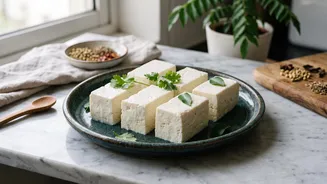
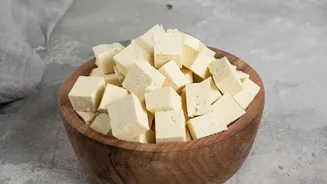
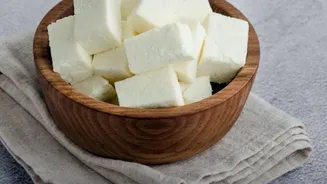
Homemade paneer is highly perishable because it lacks preservatives and is high in moisture. It should be refrigerated immediately and stored correctly to remain safe. The best way to store it is fully submerged in a bowl of clean water inside an airtight container. Place it in the coldest part of your fridge, not the door where temperatures fluctuate. It's crucial to change the water daily to prevent bacterial growth and maintain the paneer's soft texture. Stored this way, homemade paneer should be consumed within two to three days. If you see any signs of spoilage like a slimy texture, discolouration, or an off smell, it's safest to discard it.