





A Price Tag That Missed the Mark
One of the most significant barriers to the Cybertruck's mass adoption is its cost. When first unveiled, a starting price of around $40,000 was teased, creating expectations of an accessible, futuristic workhorse. However, the production models that finally
hit the road were substantially more expensive. The rear-wheel-drive base model started much higher, and the all-wheel-drive and high-performance 'Cyberbeast' versions pushed the cost well into premium territory, with some top-tier models approaching six figures. This pricing strategy immediately alienated a large portion of the traditional truck market, where buyers balance capability with value. It also positioned the Cybertruck against increasingly capable and more conventionally priced rivals from established automakers.
A Design That Divides Opinion
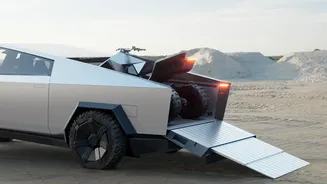
The Cybertruck's radical, stainless-steel exoskeleton and sharp, angular lines are its most defining features, but they are also a double-edged sword. While the design guarantees attention and appeals to tech enthusiasts and early adopters, it has struggled to win over mainstream truck buyers. This group often prioritizes practicality, durability, and a familiar aesthetic for work and daily life. The unconventional shape creates blind spots, and the stainless-steel body, while tough, has raised questions about repair costs and practicality. For many, the futuristic look is less a selling point and more a barrier to entry, making it feel more like a niche collector's item than a versatile pickup.
Falling Short of Ambitious Sales Goals
Tesla CEO Elon Musk once projected that the company could produce 250,000 Cybertrucks annually. The actual sales figures have painted a starkly different picture. After an initial surge, sales have declined significantly. The truck sold just under 40,000 units in its first full year, 2024, before dropping by nearly half to around 20,000 units in 2025. Through the first five months of 2026, only about 7,100 units were registered in the US. These numbers have been propped up by internal purchases from other Musk-led companies like SpaceX, which bought over 1,200 trucks in one quarter alone, masking even weaker organic consumer demand. This performance has led to unfavorable comparisons with historic automotive flops like the Ford Edsel.
A Crowded and Competitive Field
The Cybertruck did not launch in a vacuum. By the time it arrived, the EV truck market was already populated with strong competitors. The Ford F-150 Lightning offered a familiar and trusted package, essentially an electric version of the best-selling vehicle in America. The Rivian R1T appealed to the premium adventure segment with a blend of luxury, performance, and conventional-yet-modern styling. These competitors had a head start in building customer trust and a service network. They provided buyers with options that were less polarizing and, in many cases, more aligned with the traditional expectations of a pickup truck, making the Cybertruck's job of winning market share that much harder.