







A New Golden Age for Private Flying
The demand for private air travel is surging. Data from the first five months of 2026 shows a significant uptick in flights operated by private owners and through shared-ownership programs compared to the previous year. This boom is partly fueled by a new
wave of wealthy individuals from the tech sector, where landmark IPOs from companies like SpaceX and anticipated listings from AI giants are creating unprecedented fortunes. These new entrants, often younger and more tech-savvy, are joining established flyers in seeking alternatives to commercial travel, valuing the efficiency, privacy, and control that private aviation offers. This influx of capital and a growing frustration with commercial airlines are combining to create a robust and expanding market.
AI Takes the Controls (Behind the Scenes)
Artificial intelligence is quietly becoming the most critical co-pilot in the private aviation industry. AI is not yet flying the planes autonomously, but it's revolutionizing nearly every other aspect of operations. AI-driven platforms are making the booking process faster and more transparent, replacing days of back-and-forth quotes with instant, dynamic pricing. Companies are using AI tools, some with names like CharterGPT, to allow clients to plan complex itineraries via simple text messages. On the operational side, AI algorithms optimize flight paths for fuel efficiency, analyze real-time weather and air traffic data to prevent delays, and even manage crew scheduling. One of its most significant contributions is predictive maintenance; by analyzing data from aircraft sensors, AI can forecast component failures before they happen, drastically enhancing safety and reliability.
The SpaceX Effect: Revolutionizing Connectivity
The name SpaceX has become synonymous with a new era in aerospace, and its influence extends directly to private jets. The most tangible impact comes from Starlink, SpaceX's satellite internet service, which is a game-changer for in-flight connectivity. For years, reliable, high-speed internet at 35,000 feet was elusive. Starlink's low-Earth orbit satellite constellation now delivers ground-like speeds, allowing passengers to stream, hold video conferences, and stay fully connected globally. This has shifted in-flight Wi-Fi from a luxury amenity to an expected standard. Several private jet operators are now authorized installers of Starlink Aviation hardware, integrating the technology across their fleets. While the service and installation come at a premium, with recent price increases underscoring its high demand, the industry sees it as a vital technology for meeting modern client expectations.
A Smarter, More Personal Cabin
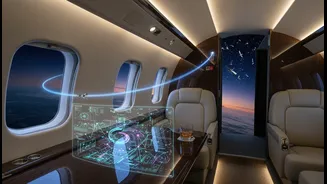
Beyond operations and connectivity, technology and AI are personalizing the passenger experience itself. AI is being used to create hyper-personalized journeys where the aircraft anticipates a passenger's needs. This can range from remembering preferred cabin lighting and temperature settings to curating entertainment and catering menus based on past choices. In-flight entertainment systems are becoming smarter, with conversational AI assistants that can answer questions about the flight, find movies, or even provide recommendations for restaurants at the destination. This level of intelligent personalization is a key differentiator in a competitive market, transforming the jet from a mode of transport into a highly customized environment tailored to each traveler.