

The Science of the Sponge
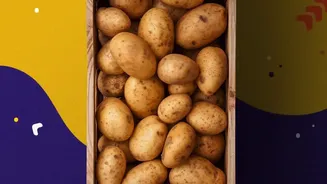
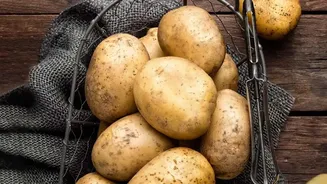
What makes the potato so good at soaking up flavour? The secret lies in its high starch content and cellular structure. When heated, the starch granules within the potato swell and gelatinize, absorbing water—and any flavours dissolved in it. This process
makes the potato’s interior porous and ready to welcome seasonings. Potatoes are essentially little sponges, especially starchy varieties like Russets, which become fluffy and open when cooked. This contrasts with more delicate vegetables that have a higher water content and less starch, which can become waterlogged or turn to mush, failing to properly absorb the spices and herbs you add.
A Tale of Two Vegetables
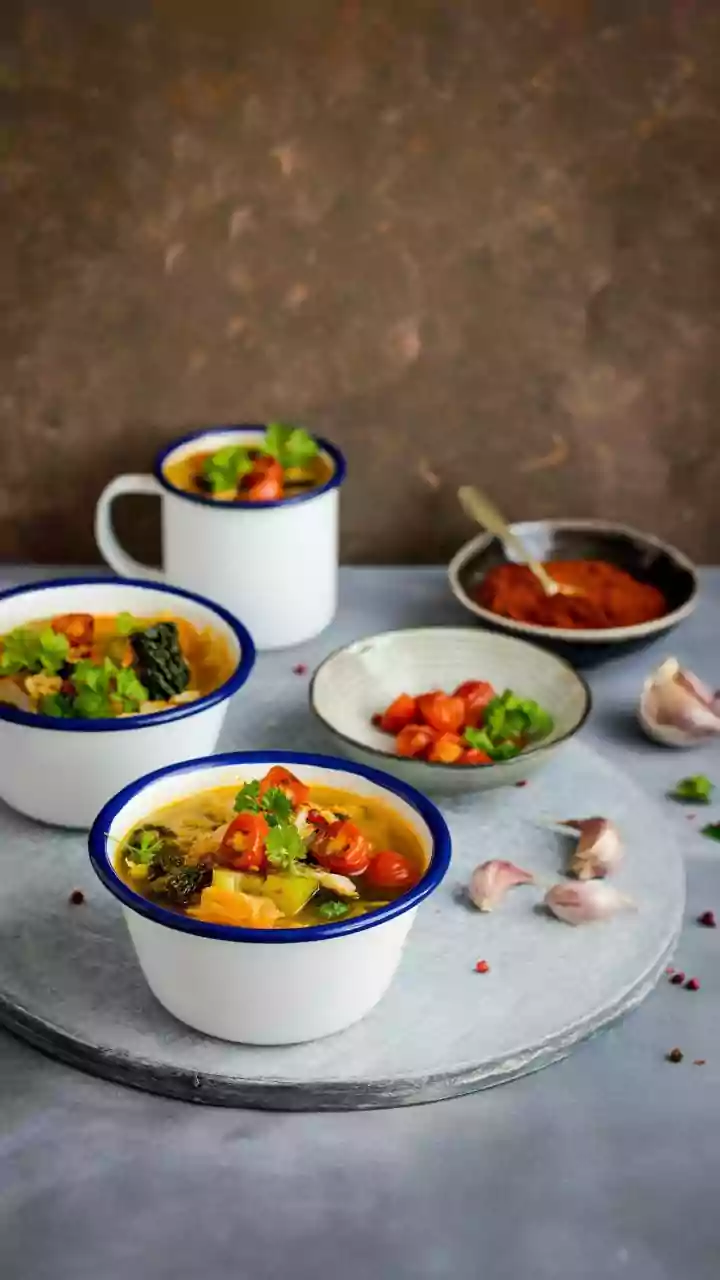
Consider the difference between a potato and a vegetable like zucchini or spinach. Zucchini has a very high water content and a delicate structure. If you try to infuse it with a strong, salty broth for a long period, it tends to break down and become limp. Potatoes, particularly waxy varieties like red potatoes or new potatoes, hold their shape remarkably well even after prolonged cooking in soups and stews. Their dense, starchy flesh absorbs the surrounding liquid without disintegrating, meaning each bite of potato is packed with the flavour of the dish. This is why potatoes in a stew often taste even better the next day; they've had more time for the flavours to penetrate deep inside.
Boiling: A Blank Canvas
Boiling is one of the most effective ways to season a potato from the inside out. When you boil potatoes in generously salted water, the salt has a chance to permeate the entire tuber, seasoning it thoroughly. Some chefs add other aromatics like garlic cloves or bay leaves to the water to infuse a base layer of flavour before the potatoes are even finished cooking. While boiling softens the potato's texture, making it creamy, it also causes the potato to absorb a significant amount of moisture, which can be ideal for mashing. It’s important to note, however, that boiling can cause some water-soluble vitamins to leach out into the cooking water.
Roasting and Frying: Texture is King
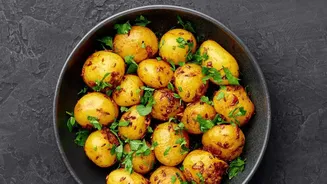
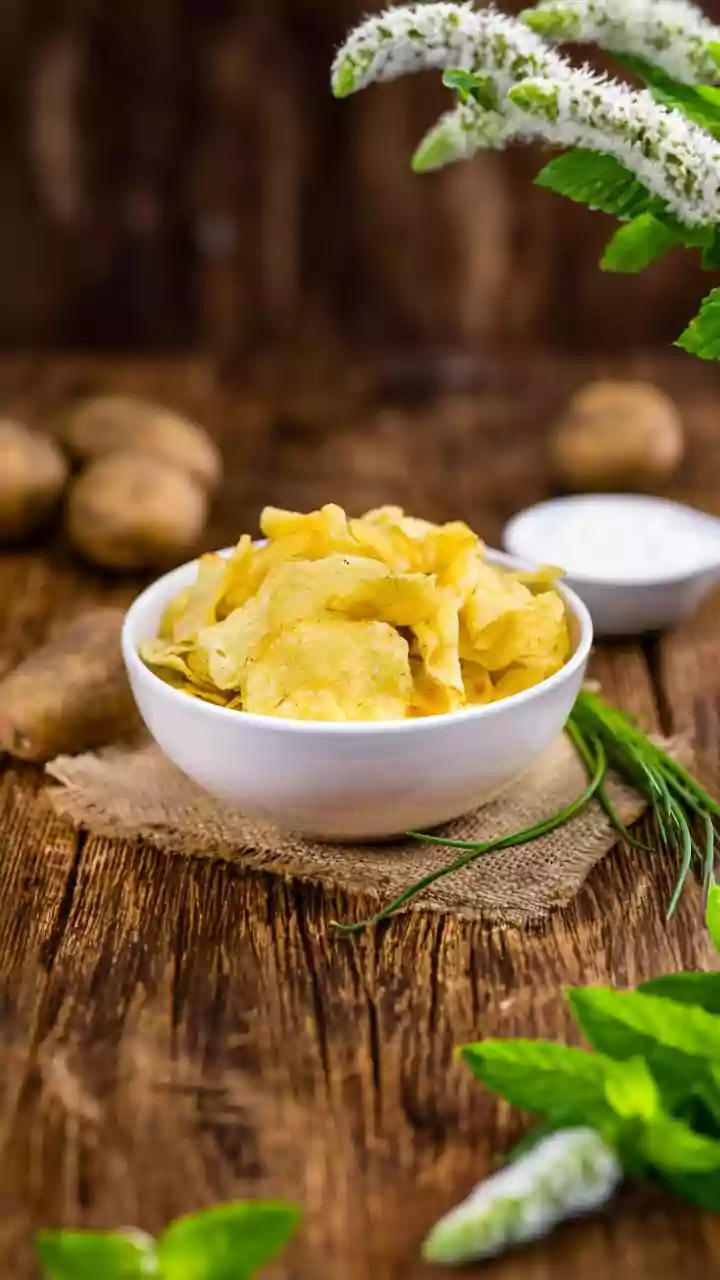
Roasting and frying focus on creating a contrast between a crispy exterior and a soft, fluffy interior. These dry-heat methods work by dehydrating the potato's surface, creating a crunchy crust. For the best results, many chefs recommend parboiling potatoes before roasting. This initial boil seasons the potato and starts the cooking process. After parboiling, roughing up the surface of the potatoes creates more craggy edges, which catch the oil and seasonings and become exceptionally crispy in the hot oven. When roasting, oil is your friend; it helps conduct heat and ensures a golden-brown finish. Seasoning after roasting often yields a crispier, less leathery skin compared to seasoning before, as salt can draw out moisture.
Choosing Your Weapon: Fats and Spices
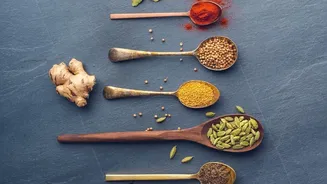
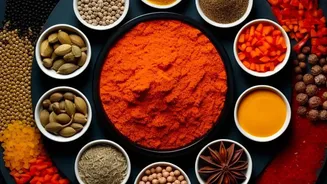
Because of their sponge-like nature, potatoes are the perfect partner for flavorful fats. Roasting them in beef dripping, goose fat, or even a bold compound butter infused with herbs and garlic can elevate them to another level. The fat not only helps create a crispy texture but also carries its own flavour deep into the potato's surface. Potatoes are also neutral enough to pair with a wide array of spices. Earthy herbs like rosemary and thyme are classic choices, but don't be afraid to experiment with smoked paprika, cumin, or chili powder. The key is to provide enough seasoning for the potato to absorb, transforming its mild taste into something truly memorable.